First Time in Japan? 20 Essential Things
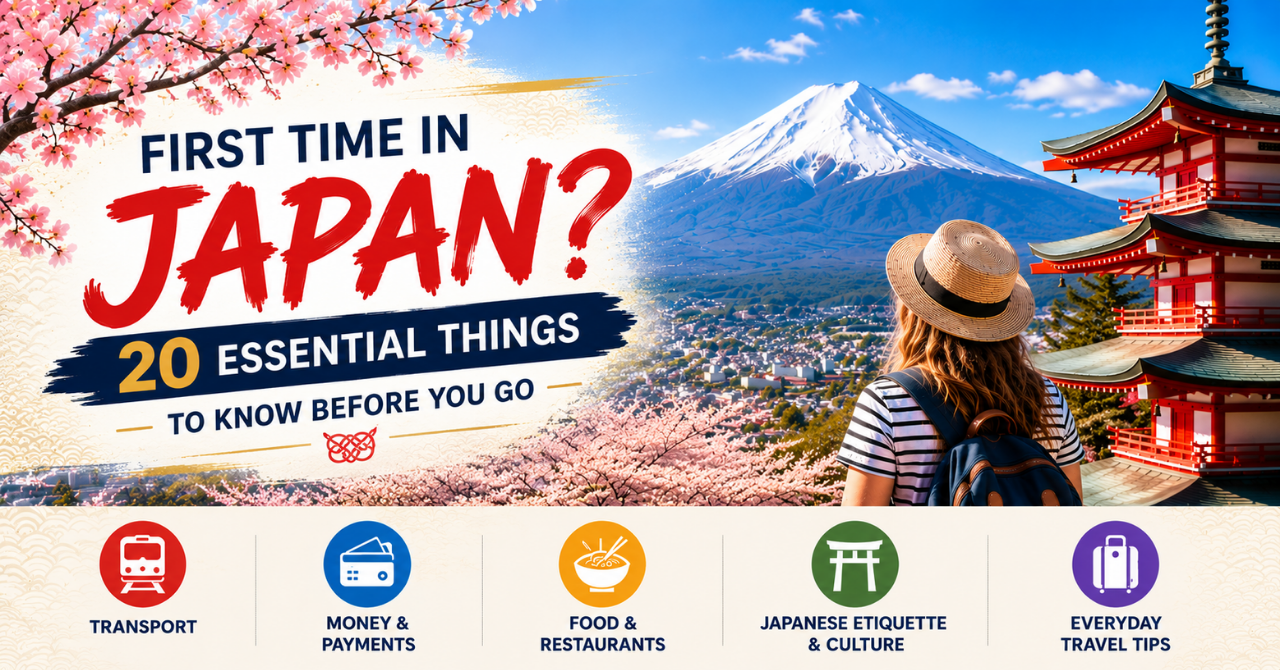
Planning your first trip to Japan is exciting, but there may be a few things that feel unfamiliar at first.
How do you use the trains? Do you need cash? What should you know when eating at restaurants? Are there any local customs or etiquette you should follow?
Japan is generally easy to travel around once you understand the basics. Knowing a few things before you arrive can make your trip smoother and help you avoid unnecessary confusion.
In this guide, we’ll introduce 20 essential things to know before your first trip to Japan, covering transportation, money, food, etiquette, and useful everyday travel tips.
Let’s get you ready for your first adventure in Japan!
From a Local Perspective: First-time visitors often plan around famous sights, but everyday details such as train transfers, cash, luggage, and meal timing can affect the trip just as much. Preparing those basics in advance usually makes the itinerary feel much smoother.
Getting Around Japan
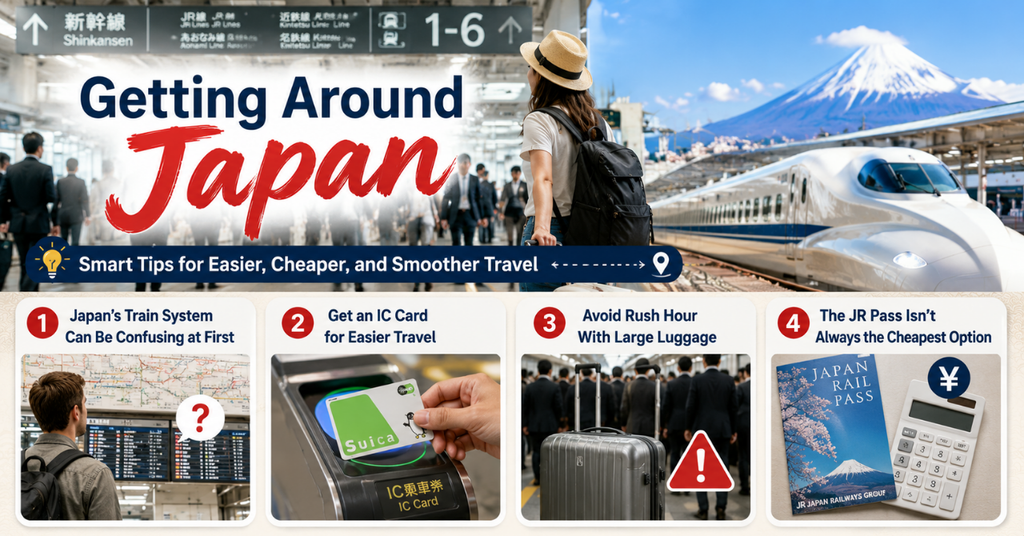
Japan has one of the most convenient public transportation systems in the world. Trains, subways, buses, and the Shinkansen make it easy to travel between major cities and popular tourist destinations.
However, Japan’s transportation system can seem complicated at first, especially in large cities such as Tokyo and Osaka. Knowing a few basics before your trip will make getting around much easier.
1. Japan’s Train System Can Be Confusing at First
Japan’s train system is convenient and reliable, but it can feel overwhelming on your first trip.
Major cities have many train and subway lines operated by different companies, and large stations may have multiple platforms, exits, and transfer routes.
Don’t worry if you get confused at first. Use navigation apps such as Google Maps to check your train, platform, transfer stations, and destination. Many major stations also have signs and announcements in English.
2. Get an IC Card for Easier Travel
An IC card can make traveling around Japan much easier. Instead of buying a ticket every time you take a train or subway, you can simply tap your card at the ticket gate.
Popular IC cards include Suica, PASMO, and ICOCA. They can be used on many trains, subways, and buses across Japan.
IC cards can also be used to pay at many convenience stores, vending machines, and other shops, making them useful even when you’re not traveling.
3. Avoid Rush Hour With Large Luggage
Trains in major Japanese cities can become extremely crowded during the morning and evening rush hours.
Traveling with a large suitcase during these times can be uncomfortable for both you and the passengers around you. If possible, plan your journey outside the busiest commuting hours.
For longer trips, luggage delivery services are another convenient option. They allow you to send your suitcase from your hotel or other locations to your next destination instead of carrying it on crowded trains.
4. The JR Pass Isn’t Always the Cheapest Option
The Japan Rail Pass, commonly known as the JR Pass, allows eligible international visitors to use many JR trains across Japan for a fixed period.
It can be convenient if your itinerary includes several long-distance train journeys, but it isn’t automatically the cheapest option for every traveler.
Before buying a JR Pass, compare the pass price with the cost of individual tickets for your planned route. Depending on where you’re traveling, individual tickets or regional rail passes may offer better value.
Money & Payments
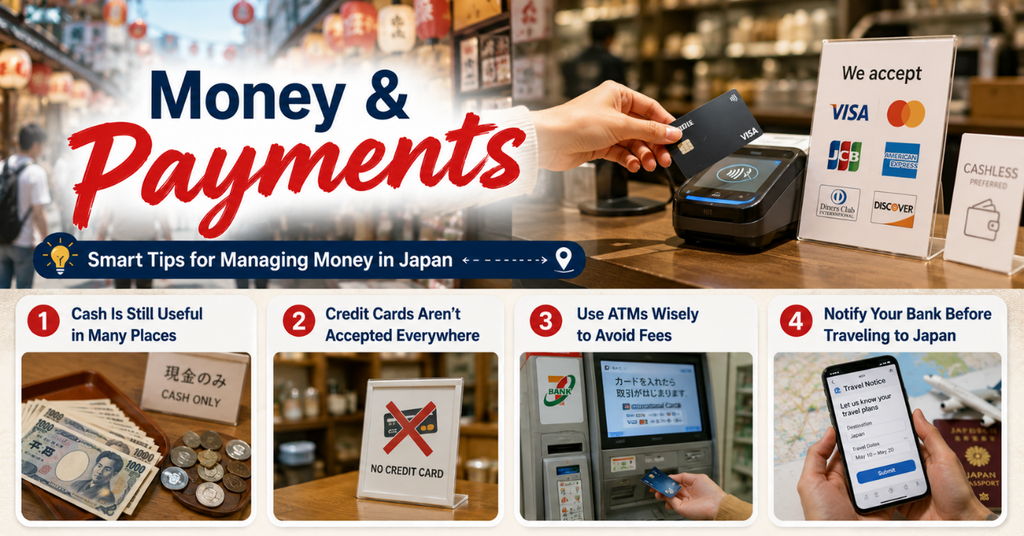
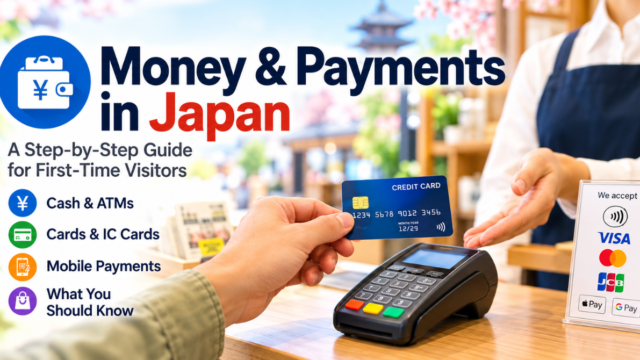
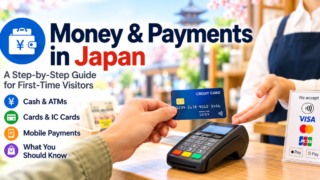
Japan has become much more cashless in recent years, and credit cards and mobile payments are now widely accepted in major cities. However, there are still situations where you may need cash, especially at small restaurants, local shops, temples, and other places.
Knowing how payments work in Japan and carrying some cash with you can help make your trip smoother and avoid unexpected problems.
1. You May Still Need Cash in Japan
Although cashless payments are becoming more common, Japan is not completely cashless.
You may still find small restaurants, local shops, markets, temples, and other places that only accept cash. It’s a good idea to carry some Japanese yen with you, especially when traveling outside major cities or visiting smaller businesses.
You don’t need to carry a large amount of cash at all times, but having some available can be useful when cards aren’t accepted.
2. Credit Cards Aren’t Accepted Everywhere
Major credit cards are widely accepted at hotels, department stores, convenience stores, large restaurants, and many tourist attractions.
However, some smaller businesses may only accept cash or certain payment methods. Before ordering food or making a purchase, it’s a good idea to check which payment methods are accepted.
Carrying both a credit card and some cash gives you more flexibility while traveling around Japan.
3. Convenience Store ATMs Are Useful
If you need Japanese yen during your trip, ATMs at convenience stores can be a convenient option.
Many convenience stores have ATMs that support international cards, making it easier for overseas visitors to withdraw cash while traveling in Japan.
However, availability, fees, and withdrawal limits can vary depending on your card and bank, so it’s a good idea to check these details before your trip.
4. Tipping Is Not Required
Tipping is generally not expected in Japan.
At restaurants, hotels, taxis, and most other services, you normally pay the amount shown on your bill without adding a tip. Trying to leave extra money may even cause confusion in some situations.
Instead of tipping, a simple “Arigato gozaimasu” (thank you) is a perfectly good way to show your appreciation for good service.
Food & Restaurants
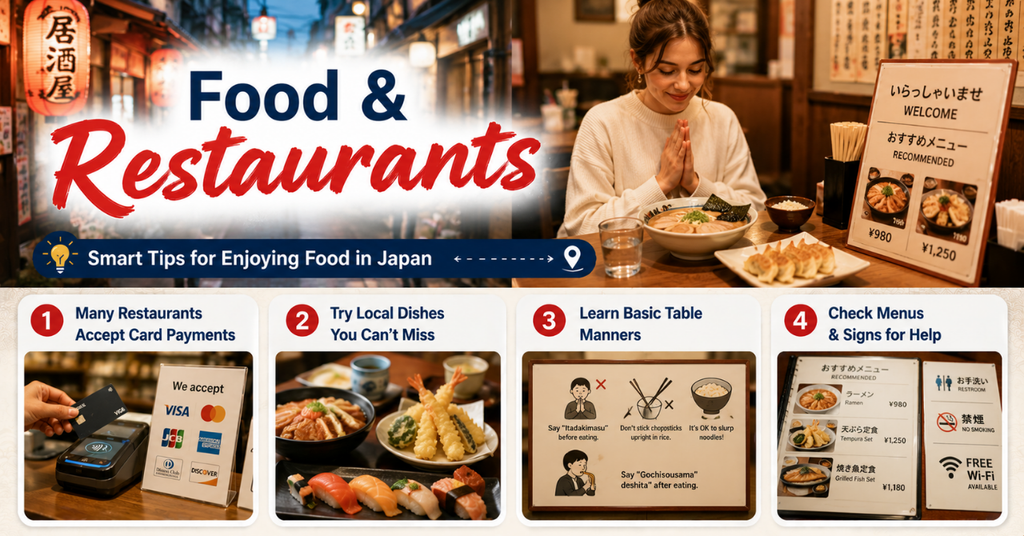
Trying Japanese food is one of the highlights of traveling in Japan. From sushi and ramen to izakaya dishes and local specialties, there are countless foods to discover throughout the country.
Dining in Japan may feel a little different from what you’re used to, especially when it comes to ordering and paying. However, even if you don’t speak Japanese, a few simple tips can make eating at restaurants much easier.
1. Don’t Worry If You Can’t Read the Menu
Some restaurants in Japan may not have a full English menu, especially smaller or more local establishments.
However, many restaurants display photos of their dishes, plastic food models, or menus with pictures that make ordering easier. Translation apps can also be helpful when you need to understand ingredients or menu descriptions.
If you’re unsure, politely asking the staff for help or pointing to the dish you want can often be enough.
2. Some Restaurants Use Ticket Vending Machines
Some restaurants, particularly ramen shops and casual restaurants, use ticket vending machines for ordering.
Usually, you select your meal and pay at the machine before sitting down. You then give the ticket to a staff member, who will prepare your order.
The machines may look confusing at first, but many newer ones offer English language options or include photos of the dishes.
3. A Few Japanese Phrases Can Be Very Helpful
You don’t need to speak Japanese fluently to enjoy traveling in Japan, but learning a few simple phrases can make dining much easier.
For example, “Sumimasen” can be used to politely get a staff member’s attention, while “Arigato gozaimasu” means “thank you.”
Even knowing just a few basic words and phrases can make communication easier and create a more enjoyable dining experience.
4. You May Pay at the Register Instead of the Table
At many casual restaurants in Japan, you pay at the register near the entrance or exit rather than at your table.
After finishing your meal, take the bill or payment slip from your table to the register and pay there. Other restaurants may ask you to pay when ordering, especially if they use a ticket vending machine or self-service system.
If you’re unsure where to pay, simply watch what other customers do or ask a staff member.
Japanese Etiquette & Culture
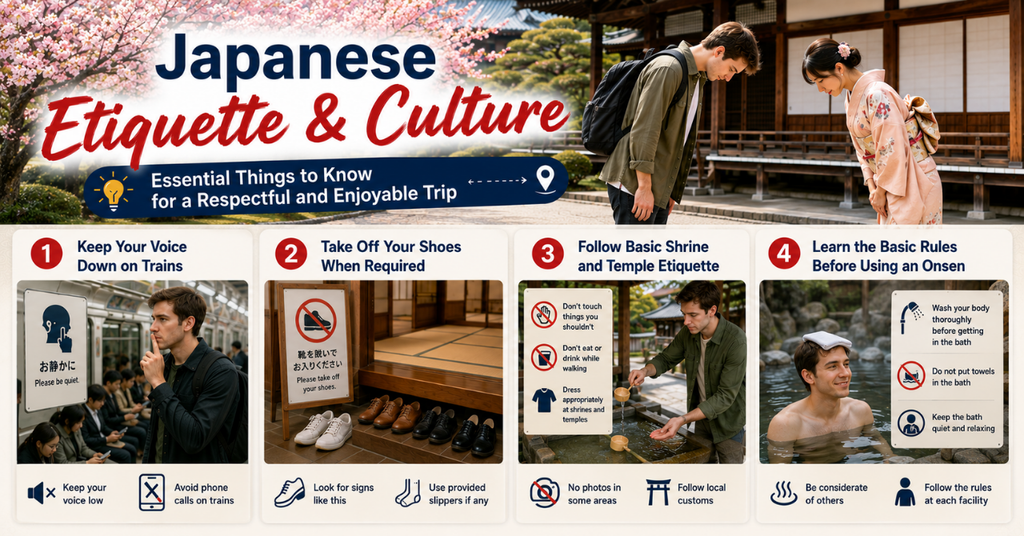
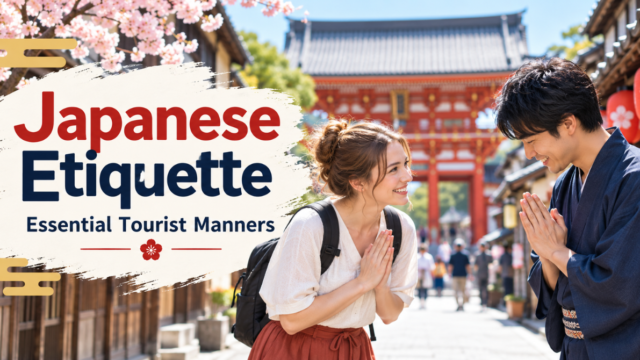
Japan has its own customs and etiquette that may be different from what you’re used to at home. As a visitor, you don’t need to understand every rule, but knowing a few basic manners can help you avoid confusion and show respect to the people around you.
Most of these customs are simple once you know them, so learning the basics before your trip can make your experience in Japan more comfortable and enjoyable.
1. Keep Your Voice Down on Trains
Trains and subways in Japan are generally quiet, even when they are crowded.
Talking with other people is fine, but try to keep your voice at a reasonable level. Phone calls are generally avoided inside train cars, so it’s better to send a message or wait until you get off the train.
Following the atmosphere around you is usually the easiest way to understand what is appropriate.
2. Take Off Your Shoes When Required
In Japan, there are some places where you will be expected to remove your shoes before entering.
This is common in Japanese homes and may also apply to traditional accommodations, certain restaurants, temples, and other traditional spaces. In many cases, slippers will be provided for you to wear indoors.
Look for signs, shoe racks, or other people removing their shoes if you’re unsure. Avoid stepping onto indoor floors with outdoor shoes when shoes are meant to be removed.
3. Follow Basic Shrine and Temple Etiquette
Visiting shrines and temples is a great way to experience Japanese history, architecture, and culture.
Shrines and temples have different traditions, but visitors should generally behave respectfully, avoid making too much noise, and follow any signs or instructions at the site.
Some areas may also restrict photography, so always check before taking photos, especially inside buildings or near sacred objects.
4. Learn the Basic Rules Before Using an Onsen
Visiting an onsen, or Japanese hot spring, can be one of the most memorable experiences of a trip to Japan.
Before entering the bath, you should wash your body thoroughly in the washing area. Swimwear is generally not worn in traditional onsen, and towels should not be placed in the bathwater.
Rules regarding tattoos can vary between facilities, so if you have tattoos, check the onsen’s policy before visiting.
Everyday Travel Tips
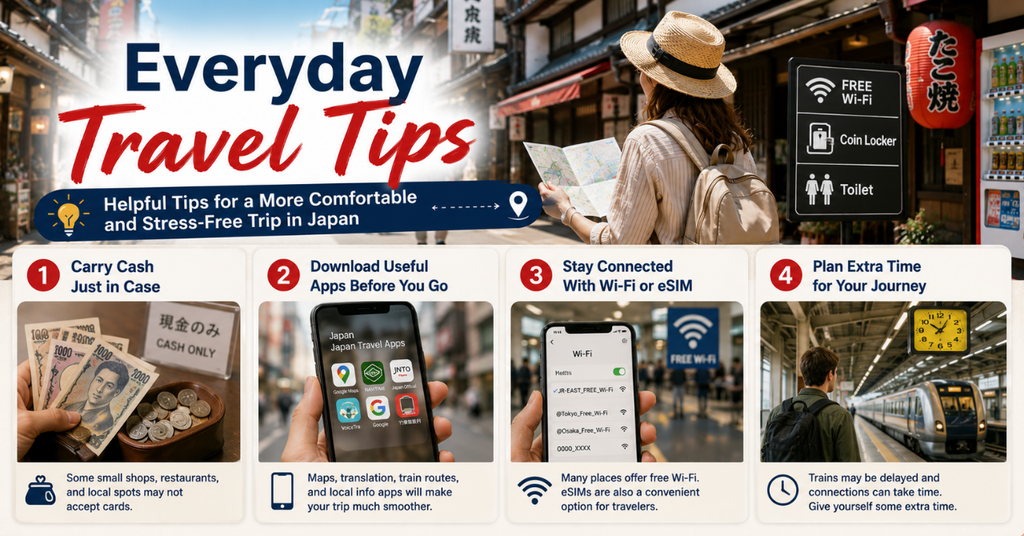
Beyond transportation, money, food, and etiquette, there are a few everyday things that are useful to know when traveling in Japan.
Small details such as staying connected to the internet, finding places to throw away your trash, and knowing what to do in an emergency can make a big difference during your trip. Preparing for these situations in advance can help you travel around Japan with more confidence.
1. Public Trash Cans Can Be Hard to Find
One thing that may surprise first-time visitors is that public trash cans can sometimes be difficult to find in Japan.
You may find them at some train stations, convenience stores, shopping facilities, and near vending machines, but they are not available everywhere.
It can be useful to carry a small bag for your trash until you find an appropriate place to dispose of it. Always separate your trash according to the instructions provided.
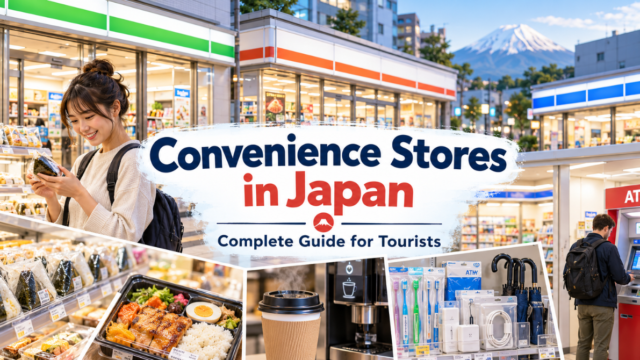
2. Convenience Stores Are Your Friend
Japanese convenience stores, commonly called “konbini,” can be extremely useful while traveling.
Stores such as 7-Eleven, FamilyMart, and Lawson can be found throughout Japan and offer much more than snacks and drinks. Depending on the store, you may find ATMs, everyday essentials, hot meals, ticket services, and other useful facilities.
Many convenience stores are open for long hours, making them a convenient option when you need something during your trip.
3. Prepare Internet Access Before You Arrive
Having reliable internet access can make traveling around Japan much easier.
You’ll probably use your smartphone frequently for navigation, train schedules, translation, restaurant searches, and communicating with others. Free Wi-Fi is available in some places, but relying on it throughout your entire trip may not always be convenient.
Consider arranging an eSIM, SIM card, pocket Wi-Fi, or another suitable option before or shortly after arriving in Japan.
4. Know What to Do in an Emergency
Japan is generally considered a safe destination, but it’s still important to know what to do if something unexpected happens.
In Japan, call 110 for the police and 119 for an ambulance or the fire department. If you lose something, you can also ask for help at a nearby police box, known as a “koban.”
Japan can also experience earthquakes and other natural disasters, so pay attention to official information and follow local instructions if an emergency occurs.
Conclusion: Enjoy Your First Trip to Japan!
Your first trip to Japan may come with a few unfamiliar situations, from navigating busy train stations to understanding payment methods, restaurant customs, and local etiquette.
But don’t worry about remembering everything before you arrive. Knowing just a few of the basics can help you feel more confident and make your trip much smoother.
Japan has so much to discover, from exciting cities and historic temples to beautiful nature, delicious food, and unique cultural experiences.
Use these 20 tips as a starting point, stay curious, and enjoy discovering Japan at your own pace.
We hope your first trip to Japan will be an unforgettable one!
Have a wonderful trip to Japan!