Top Three Diving Spots in Japan
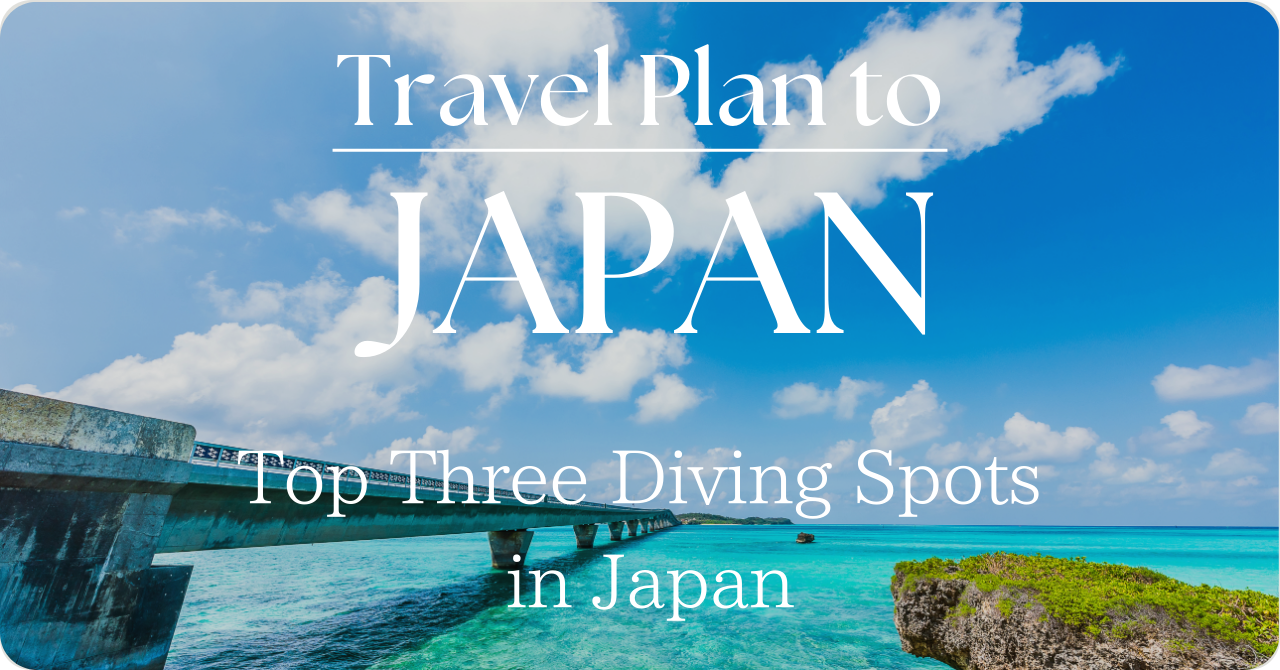
Japan is renowned for its diverse diving environments, showcasing vibrant coral reefs and unique marine life. Home to over 30,000 species and offering excellent visibility, it provides rich underwater experiences. This island nation boasts some of the world’s top diving spots, including the Kerama Islands in Okinawa, Futo on the Izu Peninsula, and Amami Oshima in Kagoshima. Each location offers a distinct experience, ensuring that every dive is unforgettable. Additionally, sustainable practices are actively promoted to protect these precious ecosystems for future generations.
The Colorful Seas of an Island Nation
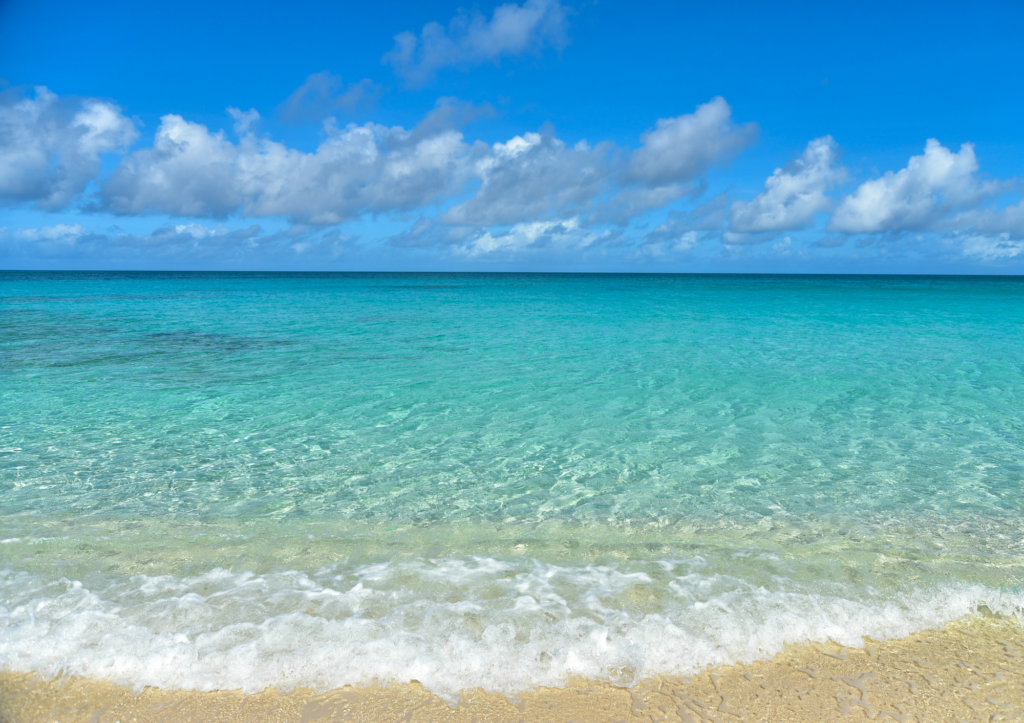
First, Okinawa’s Kerama Islands are famous for their crystal-clear waters, known worldwide. Surrounded by vibrant coral reefs and beautiful fauna, you can enjoy a dream-like diving experience. On the other hand, Futo on the Izu Peninsula is highly accessible, making it a popular spot, especially for visitors from the Kanto area. Lastly, Amami Oshima offers untouched nature and many rare species, allowing you to dive in a serene and relaxed environment. Each region also has plenty to enjoy beyond diving. The Kerama Islands are popular for hiking and kayaking tours, while Futo offers nearby hot springs where you can relax after a dive.National Park
Amami Oshima boasts beautiful beaches where you can unwind, as well as mangrove forest exploration activities. When visiting these areas, it’s essential to consider environmental protection and local traditions. In Okinawa, for example, there are active coral reef protection efforts, and divers are expected to take extra care not to damage it. In Futo, there is a balance between fishing and tourism, with cooperation between local fishermen and visitors. Amami Oshima has various rules in place to preserve its natural beauty. Be sure to follow local regulations when visiting these regions. Now, let’s dive into the features and access details for each area!
Diving in the Kerama Islands, Okinawa
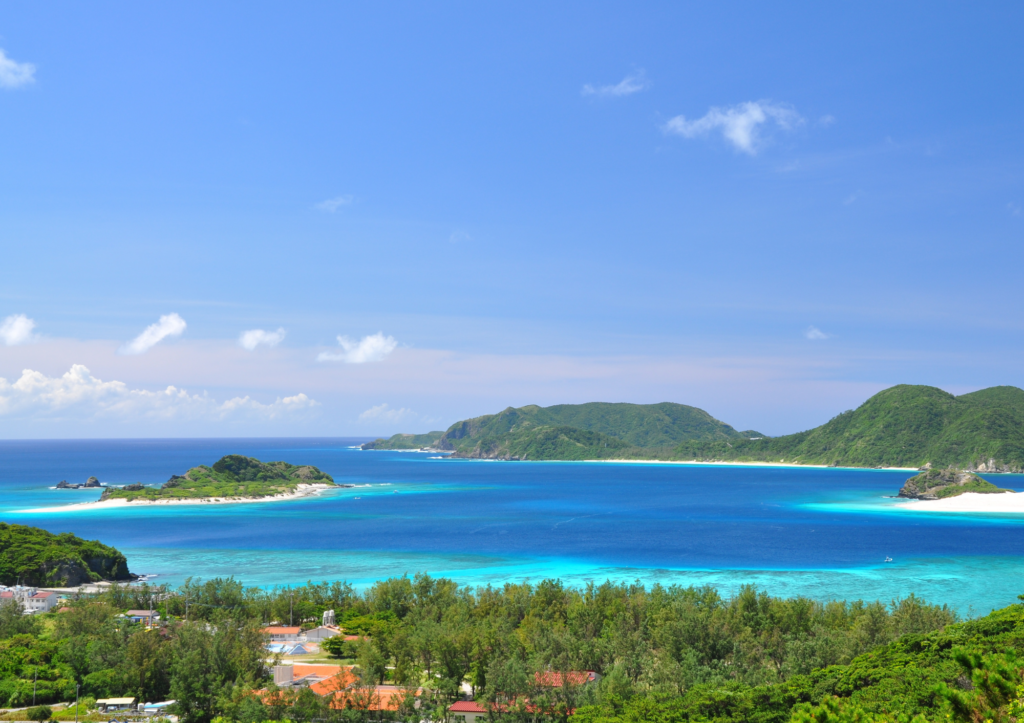
Located about 40 km west of Okinawa’s main island, the Kerama Islands are famous for their beautiful “Kerama Blue” waters. Though the main islands, such as Aka Island, Zamami Island, and Tokashiki Island, are inhabited, most of the over 20 islands of the area are uninhabited. The pristine nature, stunning coral reefs, and high water clarity attract divers from all over the world. In 2014, the Kerama Islands and their surrounding waters were designated as Keramashoto National Park. ensuring strict protection of the natural environment.
To reach the Kerama Islands, you’ll need to fly into Naha Airport on Okinawa’s main island. From there, ferries depart from Tomari Port, taking about an hour to reach Aka Island, Zamami Island, or Tokashiki Island. High-speed boats are also available for a quicker trip. Once there, you can travel between the islands via ferry or scheduled boats, making access fairly smooth.
Local Marine Life &
Local SpecialtiesLocal
With a population of around 700, Tokashiki Island is the most populated in the Kerama chain. Observation points around the island offer breathtaking views of the coral reefs and marine life. The waters are also famous for whale watching, especially around Tokashiki Island, also known as “Whale Channel. ” The white sandy beaches and cobalt blue waters are on a whole other level compared to Okinawa’s main island. Common fish species seen while diving include clownfish, damselfish, and bannerfish. During summer, manta rays and sea turtles are frequently spotted, with turtle encounters being particularly easy, even for beginners. There are dive sites for all levels, from beginners to advanced.
The Kerama Islands are known for their fresh seafood, including Aka Island’s specialty dishes such as red snapper and turtle cuisine, offering a taste of the local food culture. The islands are also famous for products like brown sugar and awamori (a local Okinawa liquor), which can be enjoyed after a day of diving. Information for Diving in Okinawa | Marine Diving web
Diving in Futo, Izu Peninsula
Located relatively close to Tokyo, the Izu Peninsula is home to numerous beautiful diving spots. Futo, in particular, is popular for its wide range of dive sites suitable for all levels, from beginners to advanced divers. The area boasts mild weather and stable diving conditions throughout the year, making it especially attractive during autumn, when water visibility increases, offering clearer views of the underwater landscape.
Futo’s coastline was formed by lava flows from the eruption of Mount Omuro some 4,000 years ago. The resulting rugged terrain attracts a variety of marine life, making it a renowned diving hotspot. The dynamic landscape, including caves, arches, and shallow reefs, provides divers with diverse underwater adventures.
Futo is highly accessible. From Tokyo, take the JR Tokaido Line or Tokaido Shinkansen to Atami Station, then transfer to the Izu Kyuko Line and get off at Futo Station. From there, it’s a short walk or taxi ride to the dive spots. If driving, take the Tomei Expressway, and you’ll arrive in about 2.5 hours, making it a convenient choice for city dwellers.
Local Marine Life & Local Specialties
Futo’s waters offer a diverse range of marine life throughout the year. From spring to summer, you can spot species like striped jack, rockfish, and damselfish. In autumn and winter, creatures like sea slugs, anglerfish, and grouper can also be seen. At the famous “Yokobama” dive site, known as ‘Futo Hall, ‘ divers can explore a sloping seabed with sandy flats hosting flounder and rays, while rocky areas are home to seahorses and moray eels. The abundance of fish and seasonal variety make diving here a unique experience.
The Izu Peninsula is rich in seafood, with Futo being especially known for its fresh seafood dishes. Kinmedai (golden eye snapper) simmered in soy sauce is a local specialty, widely available at restaurants near Futo’s port. The area is also famous for dried fish, with mackerel and horse mackerel being popular souvenirs. After diving, you can also enjoy a soak in the local hot springs, adding to Futo’s appeal.
Information for Diving in Izu Peninsula | Diving Tokyo
Diving in Amami Oshima, Kagoshima
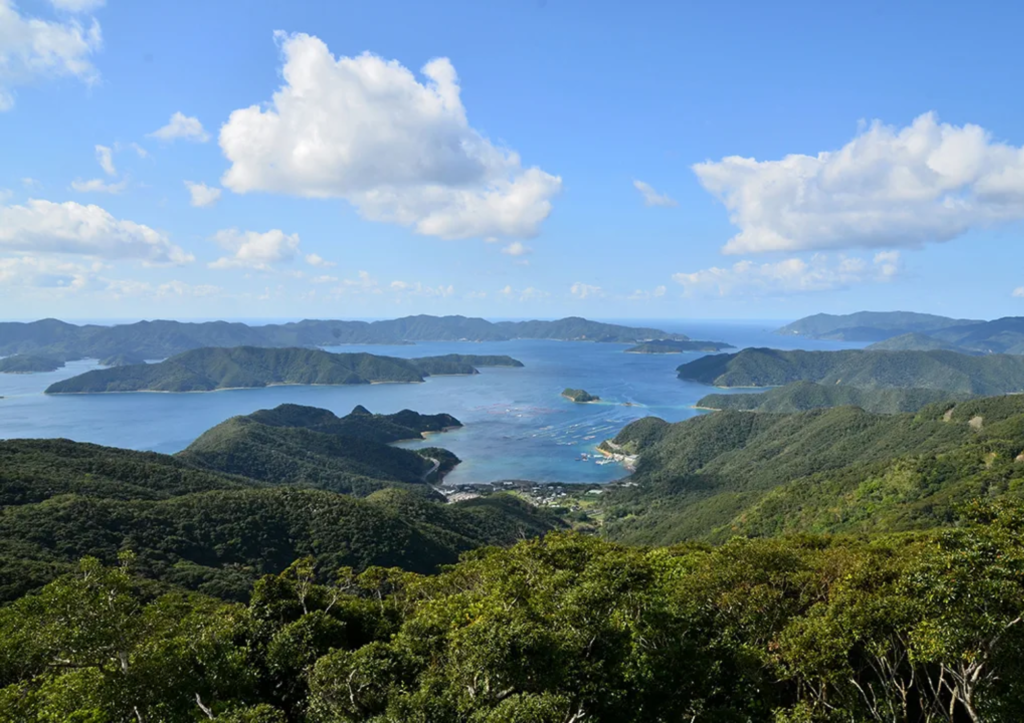
source:https://www.city.amami.lg.jp/
Amami Oshima, located in the southwestern part of Kagoshima, is a region with a subtropical climate and abundant natural beauty. The area is ideal for divers who enjoy macro diving and marine life observation, thanks to its extensive coral reefs and vibrant marine biodiversity.
Amami Oshima has even been designated a World Natural Heritage site, recognized globally for its rich ecosystem. The clear waters of Amami Oshima often offer visibility of several dozen meters on sunny days. Beneath the surface, divers can explore sprawling coral forests, swim with sea turtles, manta rays, and even whale sharks. Snorkeling and kayaking are also popular activities, making it afamily-friendly destination.
To reach Amami Oshima, flights are the most common option. You can fly directly to Amami Airport from Kagoshima, Naha, or even major cities like Tokyo and Osaka, taking about 2 to 3 hours. Once on the island, renting a car is the most convenient way to get around, as public transport options are limited. Taxis and buses are also available but less frequent.
Local Marine Life & Local Specialties
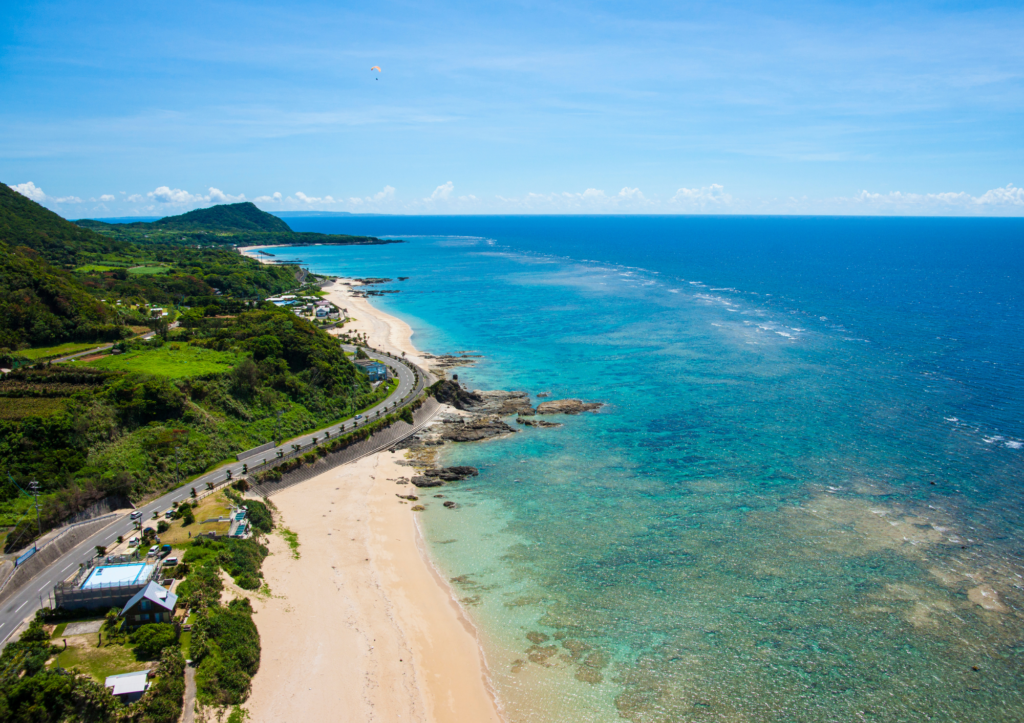
Amami Oshima’s waters are home to an array of marine life, from large sea creatures like turtles and manta rays to colorful, smaller fish. Notable species include the mandarin dragonet and ribbon eel, both of which are common in tropical waters. Amami is also a paradise for macro photographers, with many opportunities to capture shrimp, crabs, and nudibranchs.
Famous for its black sugar and “keihan” (chicken rice), Amami Oshima offers a taste of the local culture. Keihan, a simple yet flavorful dish of shredded chicken, egg, seaweed, and papaya served over rice with hot chicken broth, is a must-try for visitors. The island is also known for Amami black pork dishes and its unique shochu (a traditional distilled liquor). After a day of diving, savoring fresh seafood and local cuisine is one of the highlights of visiting Amami Oshima.
Information for Diving in Amami Oshima | PADI
The allure of each diving spot changes with the seasons. For instance, the Kerama Islands are most renowned for their water clarity from late summer to autumn, drawing divers from across the country. In Futo, the number of fish increases from autumn to winter, allowing divers to enjoy unforgettable experiences in crystal-clear waters. Similarly, Amami Oshima boasts optimal diving conditions from summer to autumn, significantly increasing the chances of encountering manta rays and sea turtles.
Each region is home to knowledgeable local dive shops and guides. For those visiting for the first time, utilizing a local guide can enhance both safety and enjoyment. They are well-versed in the latest sea conditions and can direct you to the best spots for an enriching experience.
Diving is not just about exploring the underwater world; it’s also a way to connect with the unique culture and nature of each area. We encourage you to visit these spots and immerse yourself in the beauty of the ocean and the distinctive culture of each location. No matter where you go, you’re sure to create unforgettable memories that will last a lifetime.
Additionally, participating in local conservation efforts while diving can further enrich your experience. Many regions engage in initiatives to protect their marine ecosystems, ensuring that future generations can also enjoy the beauty of these underwater paradises. By following sustainable diving practices, you contribute to the preservation of the delicate underwater habitats and help maintain the biodiversity that makes these locations so special.
Overall, Japan’s diverse diving environments offer something for every type of diver, from beginners to seasoned pros. Whether you’re drawn by the vibrant coral reefs, the chance to see rare marine life, or the opportunity to learn about