Journey Through Japan’s World Natural Heritage Sites

Japan boasts several World Natural Heritage sites that symbolize its natural beauty and biodiversity. Japan is home to five UNESCO World Natural Heritage properties: Yakushima, Shirakami-Sanchi, Shiretoko, the Ogasawara Islands, and Amami-Oshima Island, Tokunoshima Island, the northern part of Okinawa Island, and Iriomote Island.Inscribed as a UNESCO World Natural Heritage property in 2021, this area includes Amami-Oshima Island, Tokunoshima Island, the northern part of Okinawa Island, and Iriomote Island.
These subtropical islands are home to rich biodiversity and many rare and endemic species that have evolved in isolation over long periods of time.
Visitors can experience dense forests, mangroves, unique wildlife, and some of Japan’s most distinctive subtropical landscapes.
Because these ecosystems are extremely valuable and fragile, travelers should follow local rules, stay on designated paths, and avoid disturbing wildlife.
Each destination protects a unique natural environment, from ancient forests and volcanic islands to subtropical ecosystems found nowhere else in Japan.— are known for their unique landscapes and ecosystems, leaving a lasting impression on visitors. In this article, we will explore each of these regions, uncover their attractions, and delve into their conservation efforts, showcasing how these areas are maintained and the initiatives in place for the future.
World Natural Heritage sites are carefully managed to protect their ecosystems while conveying their value to tourists. When visiting, it is essential to enjoy the beautiful nature while also understanding local conservation activities and appreciating the importance of coexistence with nature.

Yakushima – A Mystical Forest and the World of “Princess Mononoke
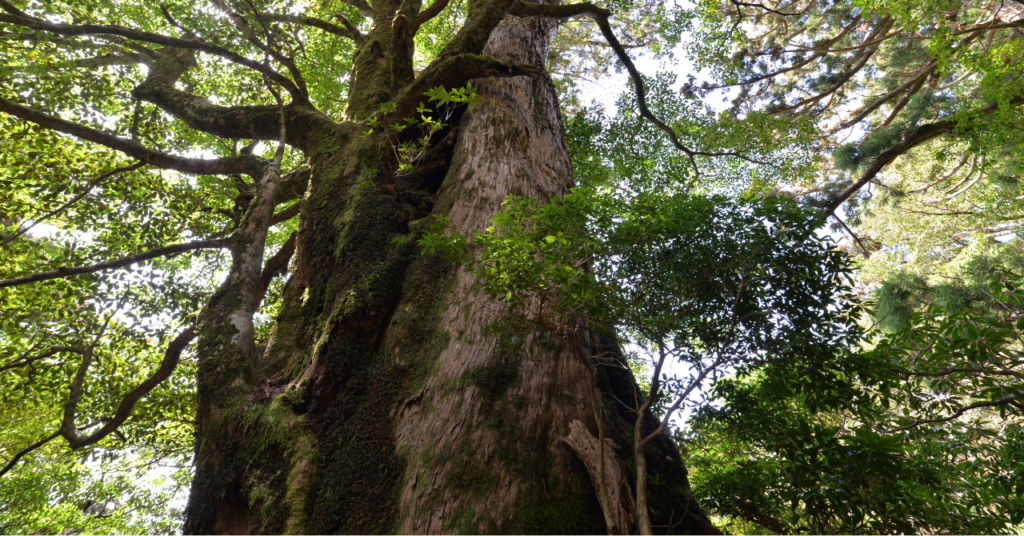
Located about 60 kilometers south of Kyushu’s mainland, Yakushima floats south of Kagoshima Prefecture. This island, the first in Japan to be registered as a World Natural Heritage site, is renowned for its unique forest environment and rich biodiversity. Notably, Jomon Sugi, an ancient cedar estimated to be between about 5,000 and 7,200 years old, stands as a symbolic presence of the island. This island, said to have inspired Studio Ghibli’s film “Princess Mononoke,” still retains ancient nature that captivates visitors.
History and Culture of Yakushima
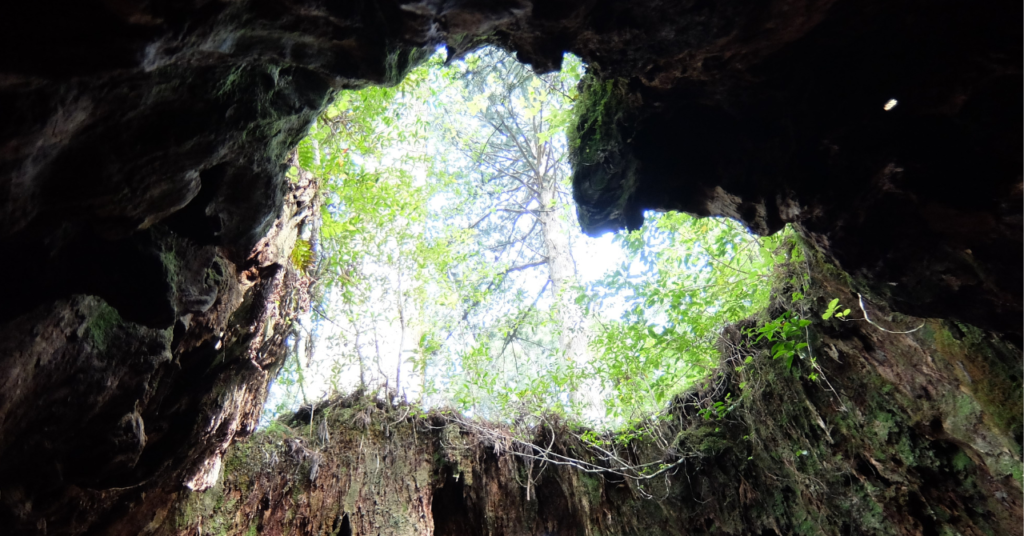
Yakushima has been inhabited since ancient times, with people utilizing natural resources for their livelihoods. The island’s cedar trees, particularly Yakusugi, were prized for shipbuilding and construction, playing a crucial role in the island’s economy and culture. However, excessive logging raised environmental concerns. After being registered as a World Natural Heritage site in 1993, conservation efforts intensified, and approximately 20% of the island remains protected as virgin forest.
The topography of Yakushima features a complex interplay of mountainous areas and coastlines, creating unique ecosystems. The high mountains and steep slopes give rise to diverse climates, allowing various plants and animals to coexist. The ancient cedar trees, some over a thousand years old, and the moss-covered mystical forests leave a profound impressionon visitors.
Highlights
Jomon Sugi
Believed to be 7,200 years old, Jomon Sugi is the island’s symbol and the largest Yakusugi tree.
The trekking course to Jomon Sugi takes about 10 hours, showcasing beautiful natural landscapes along the way, allowing trekkers to experience Yakushima’s unique flora and fauna.
Shiratani Unsuikyo
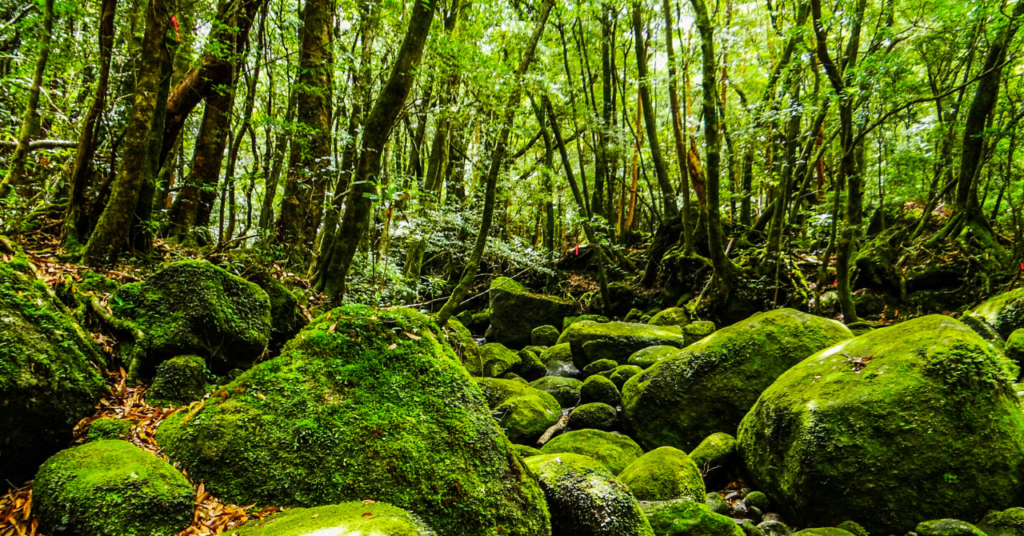
This area features a mystical forest covered in moss and is famous for inspiring Studio Ghibli’s “Princess Mononoke.” Visitors can stroll through the cedar virgin forest and experience thebeauty of nature in a mystical atmosphere. The forest offers new discoveries with its changing colors across the seasons.
Yakusugi Land
For those who find trekking to Jomon Sugi challenging, Yakusugi Land is recommended. Here, visitors can enjoy Yakushima’s rich forests in a shorter timeframe and appreciate the beauty of the ancient cedar trees in the virgin forest. The walking paths are perfect for refreshing in nature.
Environmental Protection Efforts
Yakushima’s nature is highly delicate, and the impact of increasing tourists on the island’s ecosystem raises concerns. Local initiatives include improving restroom facilities and campaigns aimed at enhancing visitor etiquette to protect the environment. Special efforts are also focused on the protection of the “Yakushika” (Yakushima deer). Educational programs raise awareness about environmental considerations among tourists, fostering collaboration between residents and visitors to promote conservation.
The charm of Yakushima lies not only in its natural beauty but also in the respect and conservation efforts of its inhabitants. When visiting, it is important to not only enjoy the stunning landscapes but also to understand the history and efforts of the island’s people and take steps to pass it on to future generations.
official wesite:https://yakukan.jp/
Shiretoko – A Land Where Land and Sea Converge
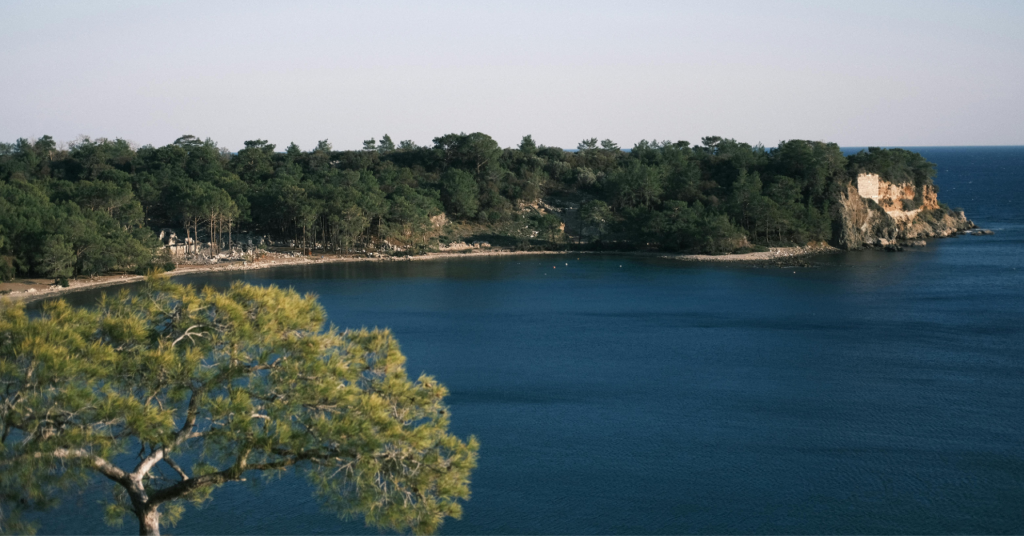
Shiretoko, located on the eastern tip of Hokkaido, is a region of untouched nature. Most of the Shiretoko Peninsula is designated as a national park and was registered as a World Natural Heritage site in 2005. Its greatest attraction is the natural environment where land and sea unite, known as a habitat for wildlife such as brown bears and orcas. This region not only showcases natural beauty but also highlights the complexity of its ecosystem and the interactions among species.
History and Nature of Shiretoko

The name Shiretoko comes from the Ainu language, meaning “the end of the earth,” and it features a harsh natural environment. However, the Ainu people have thrived in this land, utilizing its rich resources. Shiretoko continues to be a place where humans and nature coexist, utilizing the wisdom of the local residents.
The ecosystem here is interconnected with the sea, rivers, and forests, especially the Shiretoko coastal area along the Okhotsk Sea, which is rich in plankton. The plankton supports fish populations, while salmon and char ascend rivers, serving as a vital food source for bears and other wildlife. The food chain forms a significant cycle in nature, which is one reason Shiretoko’s natural environment is so vibrant.
Highlights
Shiretoko Five LakesThe Shiretoko Five Lakes offer beautiful landscapes of tranquil lakes surrounded by towering mountains. Walking around the lakes allows close observation of the region’s rich flora and fauna. Each season reveals a different aspect of the Five Lakes, captivating visitors.
Orca and Whale Watching
The waters around Shiretoko are known as a habitat for orcas and whales, and tourist watching tours are available. With a bit of luck, visitors may get a chance to observe orca pods up close, creating an unforgettable experience that showcases the richness of the marine ecosystem.
Drift Ice Tourism
In winter, the sea around Shiretoko is enveloped in a magical white world as drift ice flows in from the Okhotsk Sea. Drift ice walking and icebreaker tours are popular activities during this season, allowing participants to walk on the ice and observe marine life from between the ice.
Enjoying the unique scenery and experiences of winter in Shiretoko is truly special.
Shiretoko is home to a diverse range of wildlife, including Steller’s sea eagle, the world’s largest owl, the Blakiston’s fish owl, Ezo deer, and brown bears. Visitors often have special encounters with these animals in their natural habitat.
Environmental Protection Efforts
While Shiretoko is a popular tourist destination, the impact on wildlife and the environment is a growing concern. Strict guidelines have been established to prevent human-wildlife interactions, particularly concerning bears and red foxes. T our operators strive to explain rules and etiquette to tourists and maintain proper distances from wildlife to safeguard the natural environment.
Efforts to protect Ezo deer are also proactive, focusing on population management and habitat conservation. Collaboration with local residents and researchers aims to balance sustainable tourism and environmental protection.
official wesite:https://www.shiretoko.asia/
Shirakami-Sanchi – The World’s Largest Beech Forest
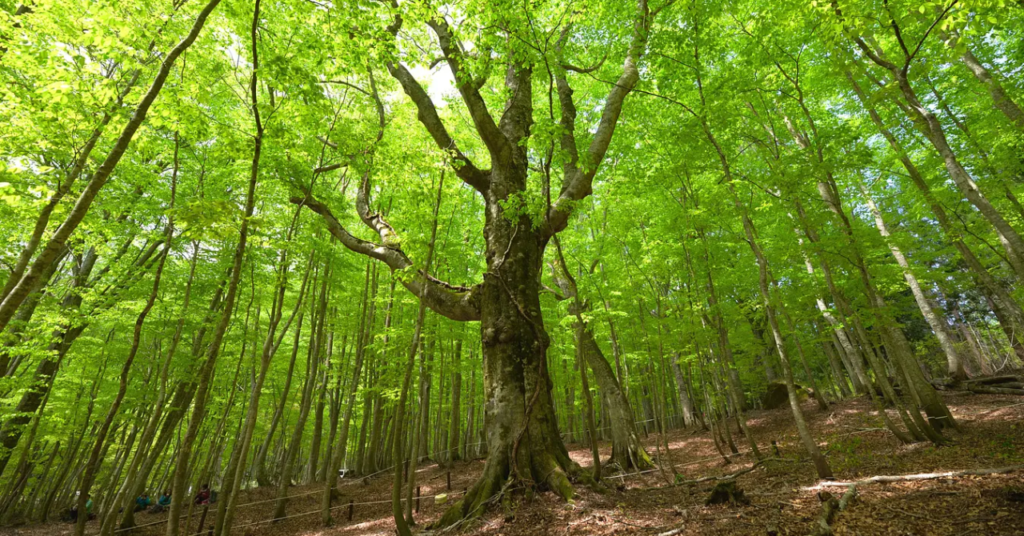
sauce:https://akita-fun.jp/spots/12
Shirakami-Sanchi is a vast forest area spanning Aomori and Akita Prefectures, home to the world’s largest beech virgin forest. Registered as a World Natural Heritage site in 1993, Shirakami-Sanchi is known for its beautiful woods and diverse flora and fauna.
This area remains a precious place with untouched nature, attracting many nature lovers and tourists. The beech forests here are particularly stunning, offering different charms with their colorful seasonalchanges.
Ecosystem of Shirakami-Sanchi
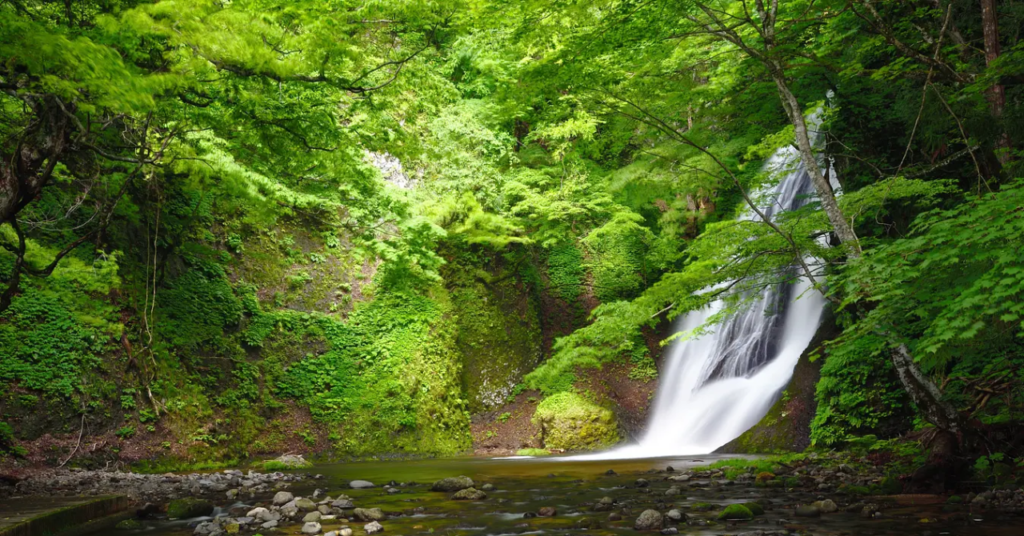
Shirakami-Sanchi features approximately 3,000 hectares of virgin beech forest, supporting a highly diverse range of organisms. Beech trees are one of Japan’s key forest vegetation types, and their leaves serve as a food source for many animals.
The presence of endangered and rare species of flora and fauna emphasizes the delicate nature of this ecosystem, making conservation efforts critical.
Notably, Shirakami-Sanchi is known for being the only habitat in Japan for the “white birch,” along with various plants such as Urikawa and wild raspberry. Additionally, wildlife such as woodpeckers, owls, and Japanese serows thrive here, making it an ideal spot for nature observation.
Highlights
Beech Forest Trekking
One of the main activities in Shirakami-Sanchi is trekking. Walking through the forest allows visitors to enjoy seasonal scenery and wildlife. Particularly beautiful in autumn, the golden and red hues of beech trees leave a lasting impression. Trekking courses are available for beginners and advanced hikers, allowing for personalized experiences.
Shirakami Onsen
Near Shirakami-Sanchi, there are hot springs where visitors can refresh in nature. Particularly popular is “Shirakami Onsen,”allowing guests to feel the mountain’s blessings. Soaking in the hot spring after a day of trekking is the ultimate way to relax both body and mind.
Nature Observation Tours
Local guides conduct nature observation tours, providing insights into Shirakami-Sanchi’s rich ecosystem. Expert guides explain the ecology of plants and animals, fostering
Environmental Protection Effort
In the Shirakami-Sanchi region, various efforts are being made to balance ecosystem conservation and tourism. Local residents, the government, and NPOs are working together to establish a sustainable tourism model.
Visitors are informed about the manners and rules required to respect the natural environment, and environmental protection efforts are emphasized to ensure enjoyment of nature. Additionally, in the Shirakami-Sanchi area, research is underway to manage invasive species and protect biodiversity.
Activities to raise awareness of the importance of conservation are also being promoted through environmental education and hands-on programs that make use of the region’s unique characteristics.
official wesite:https://www.experience-shirakami.com/
Ogasawara Islands — A Treasure Trove of Marine and Island Ecosystems
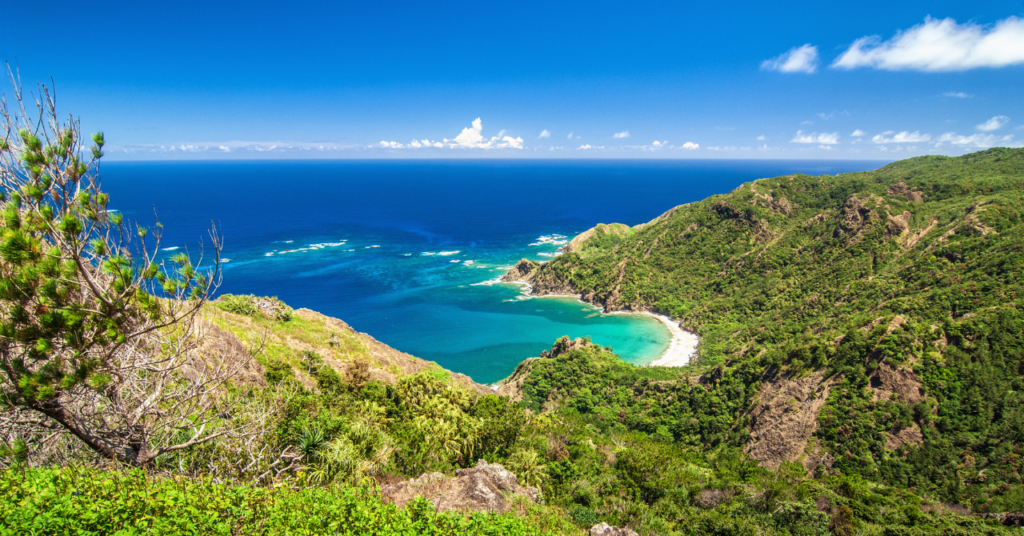
The Ogasawara Islands, part of T okyo Prefecture, are a group of islands floating in the subtropical seas of the South Pacific. Registered as a World Natural Heritage site in 2002, these islands are particularly known for their unique ecosystems. The islands of Ogasawara are closely linked to both land and sea, making them a popular area for marine sports and wildlife observation.
The ecosystem of the Ogasawara Islands is often affected by invasive species, making conservation efforts a critical issue for both local residents and tourists. The local community is dedicated to protecting the marine environment and maintaining biodiversity, and they seek the understanding and cooperation of tourists as well.
Biodiversity of the Ogasawara Islands
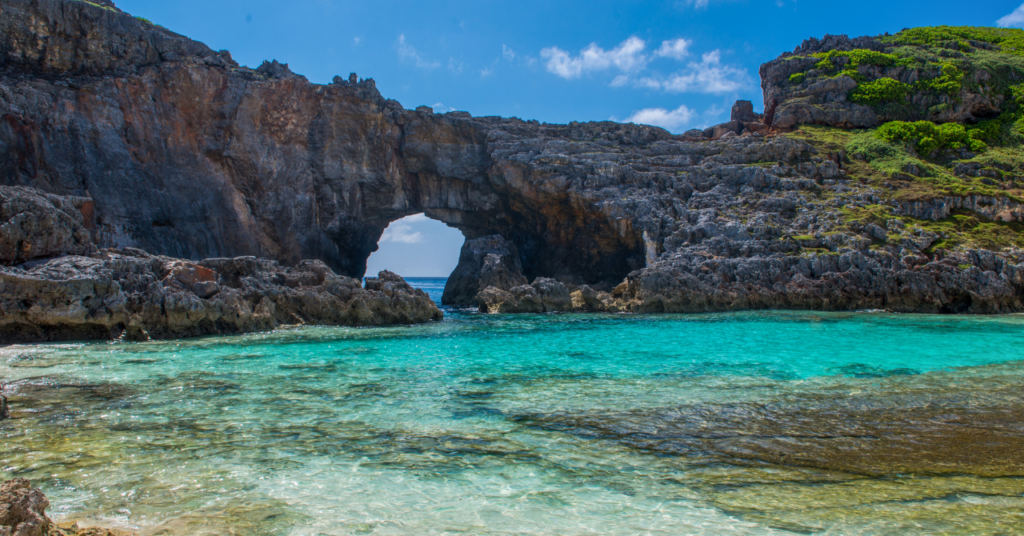
The Ogasawara Islands are home to a wide variety of unique plants and animals, some of which are rare even on a global scale. Notably, the “Ogasawara Lizard” and “Ogasawara Sparrow” are endemic species found only in these islands. Additionally, the rich marine environment hostsdiverse fish species and coral reefs, allowing visitors to enjoy the beautiful underwater world through activities like diving and snorkeling.
Points of Interest
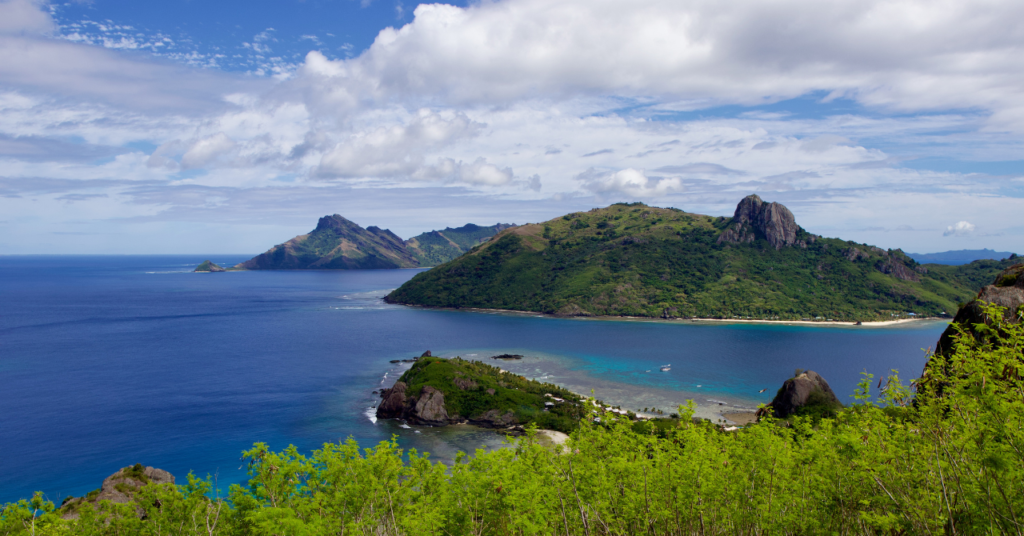
Chichijima and Hahajima Islands
Chichijima and Hahajima are the main islands of the Ogasawara archipelago, offering opportunities to enjoy nature through hiking and trekking. Chichijima’s “Mikazukiyama” offers breathtaking views, with a panoramic vista of the islands and sea. On Hahajima, visitors can enjoy untouched natural environments, including popular spots for observing wild Japanese macaques.
Diving Spots
The waters around Ogasawara are famous for diving, with abundant coral reefs, colorful tropical fish, and opportunities to encounter large marine animals such as sea turtles and manta rays.
Diving offers a rare chance to experience the beauty of nature and marine biodiversity up close.
Whale Watching
In winter, humpback whales can be spotted in the waters around Ogasawara, making whale watching a popular activity. This is a special opportunity to witness these majestic creatures swimming gracefully in the vast ocean, providing a truly moving experience.
Environmental Conservation Efforts
In the Ogasawara Islands, the eradication of invasive species and the preservation of ecosystems are given high priority. Local residents, volunteers, and researchers collaborate on managing invasive species and protecting the natural environment.
Efforts to protect and propagate endemic species are particularly crucial to maintaining biodiversity for future generations.
Tourists are encouraged to follow rules and respect nature, with reminders on how to enjoy the environment responsibly. Tourism operators are also committed to considering environmental impact and working towards sustainable tourism.
Yakushima, Shiretoko, Shirakami-Sanchi, and the Ogasawara Islands, Japan’s four World Natural Heritage sites, are treasures of nature that the country takes pride in, each with its own unique charm. These areas are not only known for their beautiful landscapes but also for the diversity of their flora and fauna, as well as the efforts of local residents to preserve the natural environment.
When visiting, it is important to enjoy nature while deepening one’s understanding of environmental conservation and practicing sustainable tourism. Looking to the future, it is up to each of us to remain conscious of preserving these beautiful natural environments for the next generation. Reflecting on coexistence with nature and considering the importance of protecting these stunning landscapes for future generations may also be an essential goal of travel.
official wesite:https://www.vill.ogasawara.tokyo.jp/