Best Places to Visit in Kyoto: 15 Must-See Spots
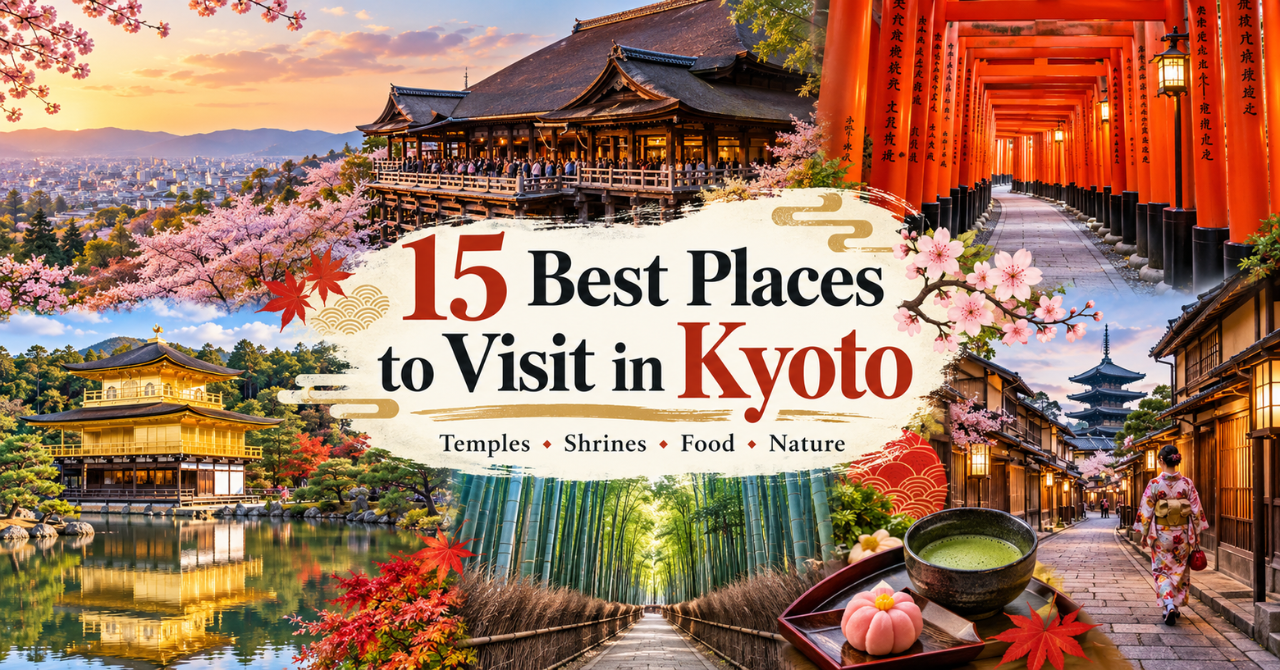
Kyoto is one of the best places in Japan to experience traditional temples, shrines, gardens, historic streets, local food, and seasonal scenery.
But Kyoto has so many attractions that first-time visitors often struggle to decide where to go.
In this guide, we introduce 15 of the best places to visit in Kyoto, from famous landmarks such as Kiyomizu-dera and Fushimi Inari Taisha to peaceful Zen gardens, local markets, and mountain shrines.
You do not need to visit all 15 in one trip. Instead, choose attractions in the same area and explore Kyoto at a comfortable pace.
If this is your first trip to Japan, our first-time Japan travel guide can also help you prepare for transportation, payments, food, and everyday travel.
- 15 Best Places to Visit in Kyoto at a Glance
- Kiyomizu-dera Temple
- Fushimi Inari Taisha
- Kinkaku-ji: The Golden Pavilion
- Arashiyama and the Bamboo Grove
- Gion and Yasaka Shrine
- Nijo Castle
- Nishiki Market
- Ginkaku-ji and the Philosopher’s Path
- Nanzen-ji Temple
- Eikan-do Temple
- Tenryu-ji Temple
- Ryoan-ji Temple
- Kifune Shrine
- Byodo-in Temple and Uji
- Daigo-ji Temple
- How Many Days Do You Need in Kyoto?
- Best Ways to Get Around Kyoto
- Kyoto Travel Tips for First-Time Visitors
- What About Amanohashidate?
- Best Places to Visit in Kyoto FAQ
- Final Tips for Visiting Kyoto
15 Best Places to Visit in Kyoto at a Glance
| Place | Area | Best For |
|---|---|---|
| Kiyomizu-dera | Higashiyama | Classic Kyoto views |
| Fushimi Inari Taisha | Fushimi | Thousands of torii gates |
| Kinkaku-ji | Northern Kyoto | Golden Pavilion |
| Arashiyama | Western Kyoto | Bamboo and nature |
| Gion & Yasaka Shrine | Higashiyama | Traditional streets and culture |
| Nijo Castle | Central Kyoto | Samurai-era history |
| Nishiki Market | Central Kyoto | Kyoto food |
| Ginkaku-ji & Philosopher’s Path | Eastern Kyoto | Gardens and walking |
| Nanzen-ji | Eastern Kyoto | Zen and architecture |
| Eikan-do | Eastern Kyoto | Autumn leaves |
| Tenryu-ji | Arashiyama | Zen garden |
| Ryoan-ji | Northern Kyoto | Rock garden |
| Kifune Shrine | Northern Mountains | Nature and water |
| Byodo-in | Uji | Heian history and matcha |
| Daigo-ji | Southeastern Kyoto | Cherry blossoms and history |
Kiyomizu-dera Temple

Kiyomizu-dera is one of Kyoto’s most famous temples and an excellent place to start if this is your first visit to the city.
The temple stands on the slopes of Higashiyama and is especially famous for its large wooden stage overlooking Kyoto.
The veranda is supported by wooden columns around 13 meters high, creating one of the most recognizable views in the city.
What to See at Kiyomizu-dera
After visiting the main hall, explore the temple grounds and Otowa Waterfall before walking down toward the traditional streets of Sannenzaka and Ninenzaka.
The area is especially beautiful during cherry blossom season and autumn, although it can also become extremely crowded.
Travel Tip: Visit early in the morning if possible. Kiyomizu-dera opens earlier than many other Kyoto attractions, making it a good first stop of the day.
For current opening hours and seasonal evening illuminations, check the official Kiyomizu-dera website.
Fushimi Inari Taisha
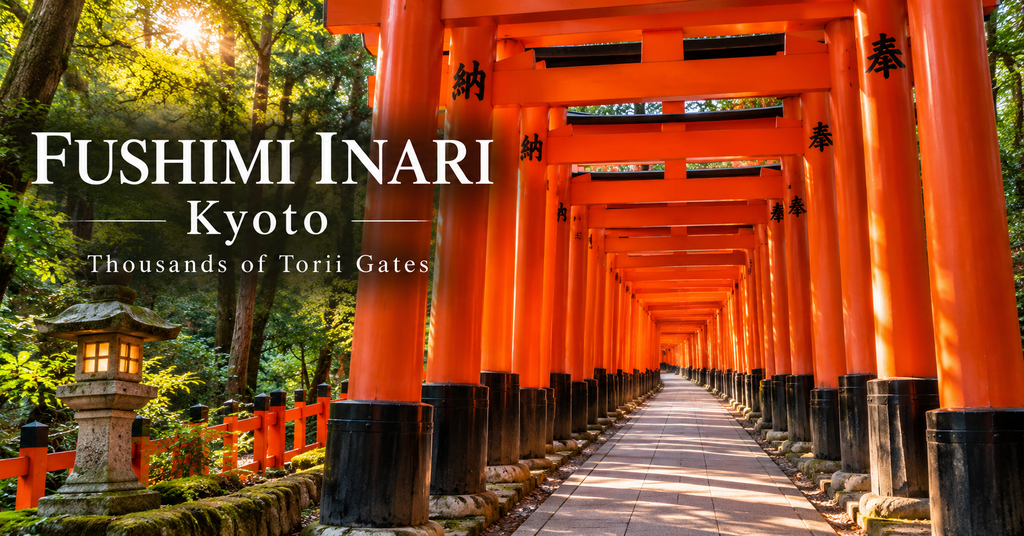
Fushimi Inari Taisha is famous around the world for its seemingly endless rows of vermilion torii gates.
Established in 711, it is the head shrine of the approximately 30,000 Inari shrines found across Japan.
The shrine extends onto Mount Inari, which is considered part of the sacred shrine grounds.
How Far Should You Walk?
You do not have to hike all the way to the summit.
Many first-time visitors explore the main shrine and Senbon Torii before turning back. If you continue farther up the mountain, the crowds often become thinner.
Reaching the summit and returning usually requires significantly more time, so allow around two hours or more if you want a longer walk.
Travel Tip: Do not block narrow torii paths for photos. Fushimi Inari officially asks visitors to avoid interfering with worshippers and other visitors while filming or taking pictures.
JR Inari Station is directly beside the shrine and is only about five minutes from Kyoto Station by train.
See the official Fushimi Inari Taisha website for visitor information.
You can also find Fushimi Inari in our guide to the best shrines in Japan.
Kinkaku-ji: The Golden Pavilion
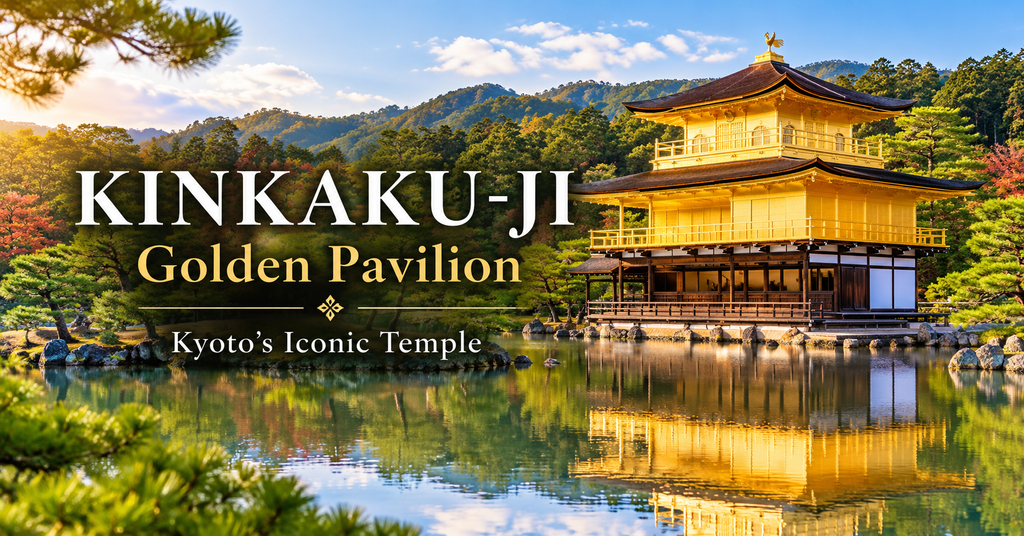
Kinkaku-ji is one of the most recognizable landmarks in Kyoto.
Its famous pavilion is covered in gold leaf and stands beside a pond that reflects the building on calm days.
The official name of the temple is Rokuon-ji, although most international visitors know it simply as Kinkaku-ji or the Golden Pavilion.
How Long Do You Need at Kinkaku-ji?
The sightseeing route is relatively compact compared with places such as Arashiyama or Fushimi Inari.
For most travelers, around one hour is enough to enjoy the pavilion, garden, and walking route.
Travel Tip: Kinkaku-ji is extremely popular, so expect crowds during the middle of the day.
The temple is currently open from 9:00 AM to 5:00 PM, although visitors should check for temporary changes before traveling.
See the official Kinkaku-ji website for current visitor information.
Arashiyama and the Bamboo Grove
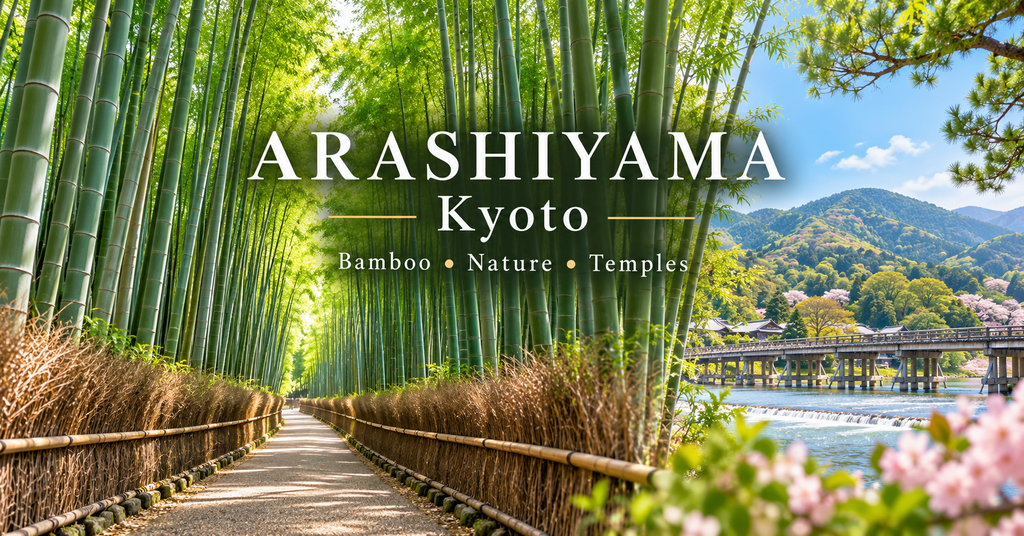
Arashiyama combines natural scenery, temples, bamboo forests, and traditional streets in western Kyoto.
The famous Bamboo Grove is the best-known attraction, but Arashiyama offers much more than the bamboo path alone.
What to See in Arashiyama
Start around Togetsukyo Bridge and the Katsura River before exploring Tenryu-ji Temple and the Bamboo Grove.
If you have more time, you can continue toward quieter areas of Sagano or visit the Iwatayama Monkey Park.
Arashiyama is particularly beautiful during cherry blossom season and autumn, but those are also its busiest periods.
Travel Tip: Visit the Bamboo Grove early if photography is important to you. The path can become very crowded later in the day.
Also remember that the bamboo grove is a real natural environment. Do not damage or carve into bamboo, and avoid blocking the narrow path.
See the official Kyoto tourism guide to Arashiyama for planning information.
Gion and Yasaka Shrine
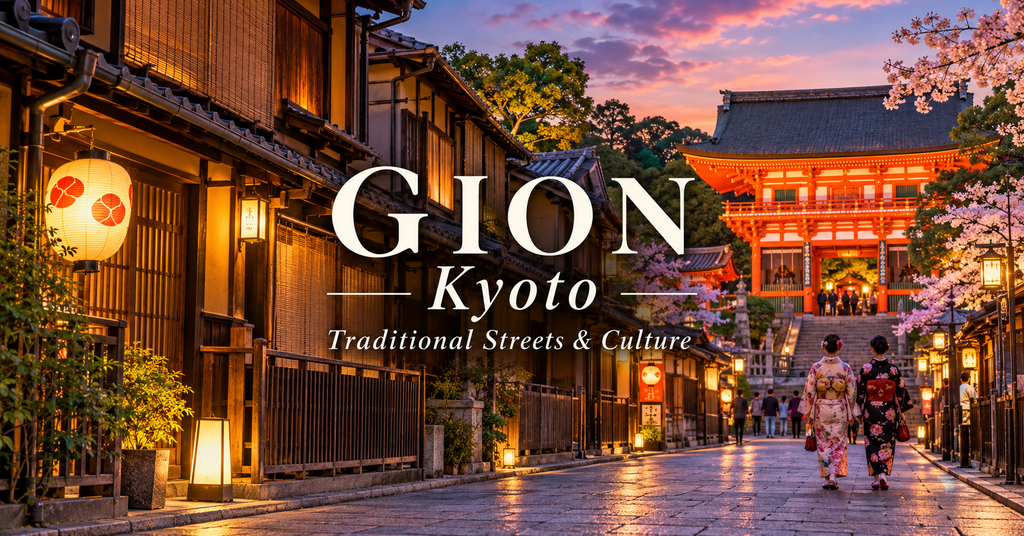
Gion is one of the best areas to experience the traditional atmosphere many travelers associate with Kyoto.
The neighborhood developed around Yasaka Shrine and is known for historic streets, traditional townhouses, restaurants, tea houses, geiko, and maiko culture.
Respect Local Rules in Gion
Gion is not a theme park. People live and work in the neighborhood, and some streets and private areas have restrictions on photography.
Never chase, touch, or block geiko or maiko for photographs.
After exploring Gion, walk to Yasaka Shrine at the eastern end of Shijo Street. The shrine has a long connection with the neighborhood and is closely associated with Kyoto’s famous Gion Matsuri.
Travel Tip: Gion is particularly atmospheric around sunset and early evening, but remain respectful around private properties and narrow streets.
Read Kyoto City’s official Gion and Kiyomizu guide before visiting.
For more cultural rules, see our Japanese etiquette guide for tourists.
Nijo Castle
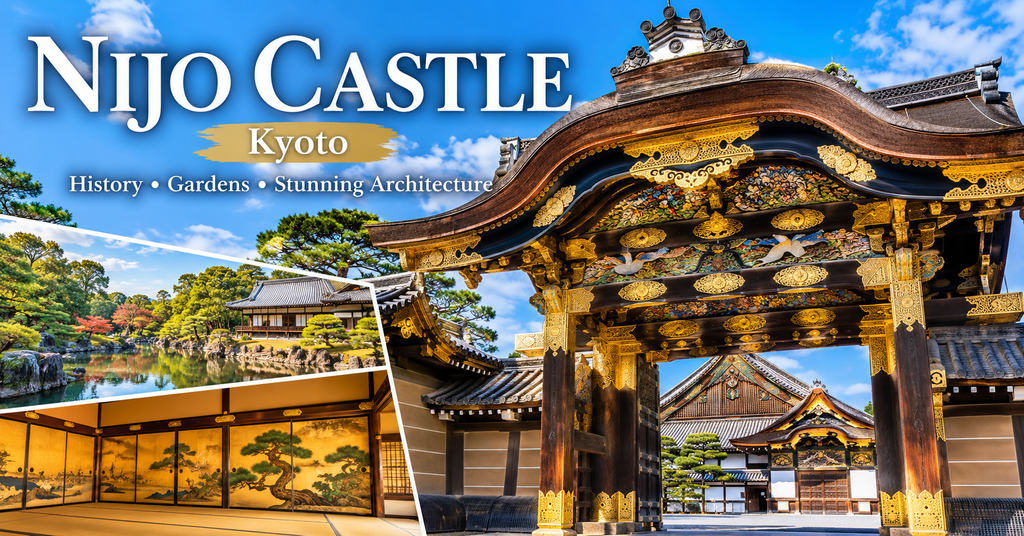
Nijo Castle offers a very different side of Kyoto from its temples and shrines.
The castle was built during the Tokugawa shogunate and is one of the best places in Kyoto to learn about Japan’s samurai and political history.
The highlight for many visitors is Ninomaru Palace, a National Treasure known for its decorated interiors and famous floors that make a bird-like sound when walked on.
Allow Enough Time for the Palace and Gardens
Plan around 90 minutes to two hours if you want to explore both the buildings and gardens without rushing.
The Honmaru Palace has separate visiting conditions and advance reservations may be required, so check the official website if you want to enter it.
Travel Tip: Nijo Castle is in central Kyoto and is easy to combine with Nishiki Market or the Kyoto Imperial Palace area.
Check the official Nijo Castle website for opening days, palace closures, and tickets.
Nishiki Market
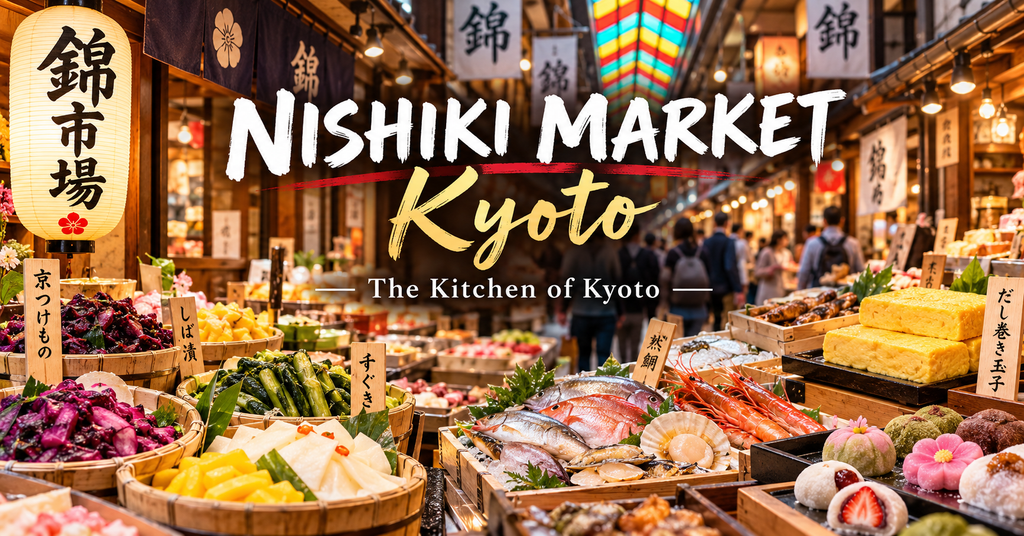
Nishiki Market is often called the “Kitchen of Kyoto.”
The approximately 400-meter shopping street is packed with stores selling seafood, Kyoto vegetables, pickles, sweets, tofu products, seasonings, and prepared foods.
It is a good place to discover foods that are difficult to find outside Kyoto.
Do Not Eat While Walking
This is one Kyoto rule that many international visitors do not expect.
Nishiki Market officially asks visitors not to walk through the market while eating.
Eat food at the shop where you purchased it or in the designated space provided by that business, and return your trash to the appropriate shop when requested.
Travel Tip: The market becomes very crowded around lunchtime. A morning visit can be easier if you prefer more space.
See the official Kyoto tourism page for Nishiki Market.
Ginkaku-ji and the Philosopher’s Path
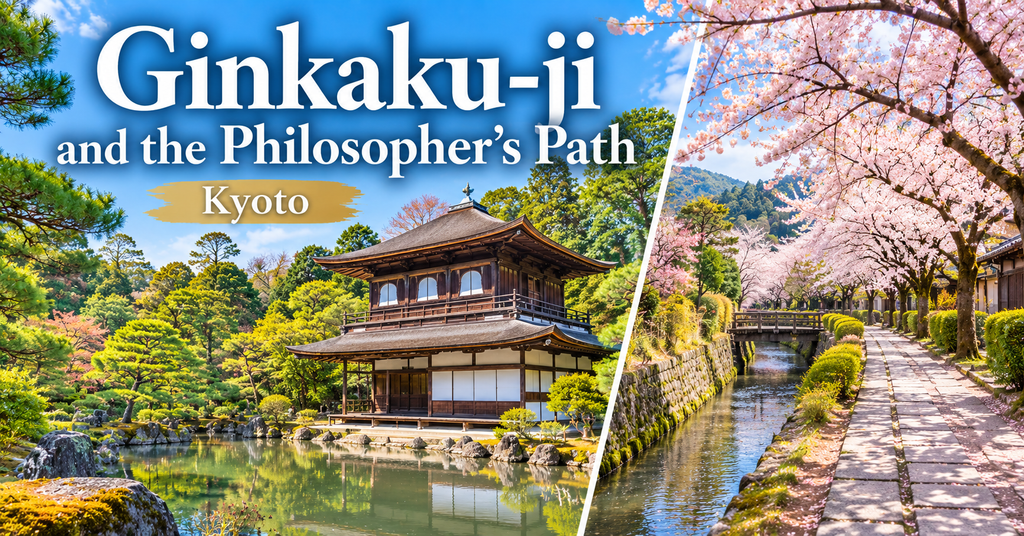
Ginkaku-ji, or the Silver Pavilion, offers a quieter and more understated experience than Kinkaku-ji.
Despite its English nickname, the pavilion is not actually covered in silver.
The temple is known for refined gardens, carefully shaped sand, moss, and views from the hillside walking path.
Walk the Philosopher’s Path
Ginkaku-ji sits near the northern end of the Philosopher’s Path, a pleasant canal-side walking route through eastern Kyoto.
The path is especially famous during cherry blossom season but is enjoyable at other times of the year as well.
You can use the route to continue toward Eikan-do and Nanzen-ji, making this one of Kyoto’s easiest sightseeing areas to explore on foot.
Travel Tip: Instead of visiting Ginkaku-ji alone, combine it with the Philosopher’s Path, Eikan-do, and Nanzen-ji for a half-day eastern Kyoto route.
See the official Kyoto tourism guide to Ginkaku-ji.
Nanzen-ji Temple
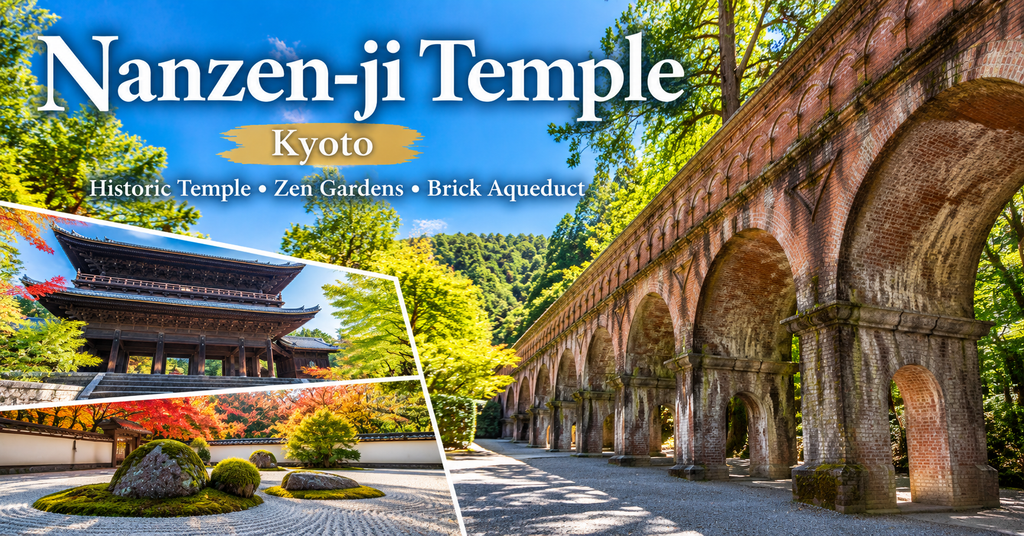
Nanzen-ji is one of Kyoto’s most important Zen temples and sits at the foot of the Higashiyama mountains.
The temple complex includes traditional gardens, historic buildings, sub-temples, and an unusual brick aqueduct dating from the Meiji period.
Do Not Miss the Suirokaku Aqueduct
The red-brick Suirokaku Aqueduct creates a striking contrast with the surrounding Zen temple grounds and has become one of Kyoto’s most recognizable photo spots.
The huge Sanmon Gate is another highlight.
Nanzen-ji combines especially well with the Philosopher’s Path and Eikan-do because all three are located in the same part of eastern Kyoto.
Travel Tip: Parts of the temple grounds can be explored freely, while specific buildings, gardens, and sub-temples may require separate admission fees.
See the official Kyoto tourism guide to Nanzen-ji.
Eikan-do Temple
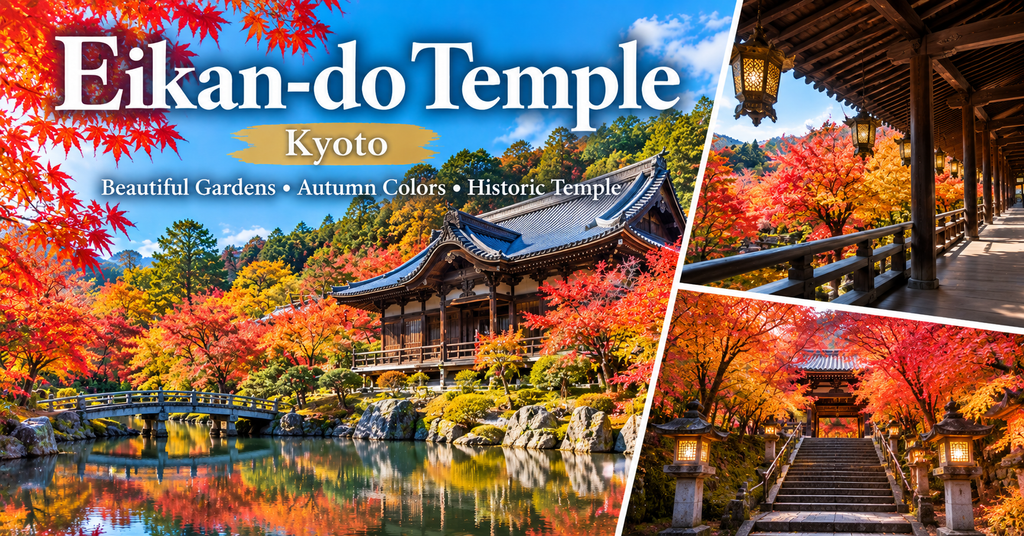
Eikan-do, officially known as Zenrin-ji, is particularly famous for autumn leaves.
The temple is also known for the unusual Mikaeri Amida, a statue of Amida Buddha looking back over its shoulder.
During autumn, the temple grounds fill with red, orange, and yellow maple leaves and become one of Kyoto’s most popular seasonal attractions.
Best Time to Visit Eikan-do
Eikan-do can be visited throughout the year, but autumn is its signature season.
Seasonal special exhibitions and evening illuminations may also take place, with exact dates changing each year.
Travel Tip: Autumn crowds can be extremely heavy. Visit earlier in the day or outside weekends if possible.
See the official Kyoto tourism information for Eikan-do.
Tenryu-ji Temple
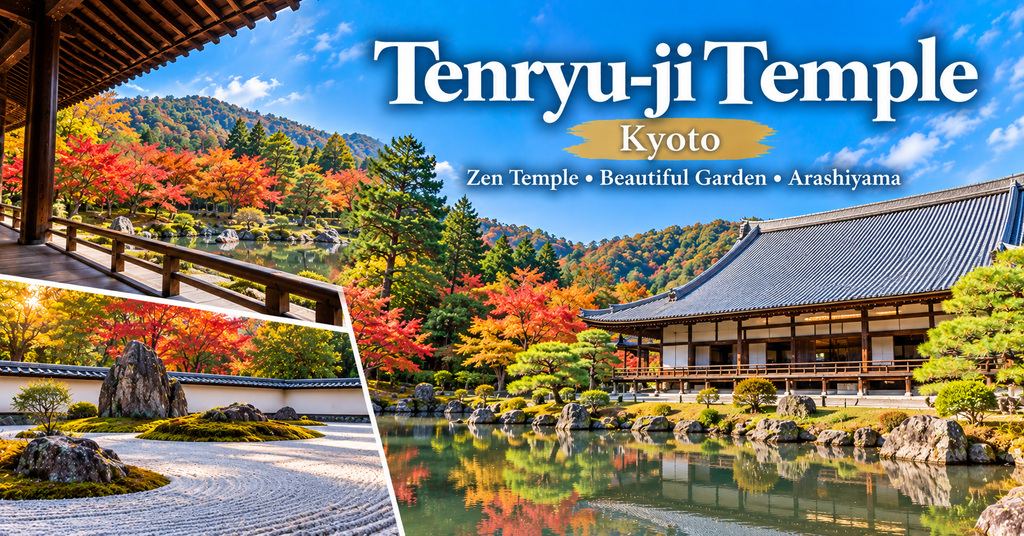
Tenryu-ji is one of the most important temples in the Arashiyama area and is part of Kyoto’s UNESCO World Heritage listing.
Its main attraction is the Sogenchi Garden, where a large pond, rocks, trees, and the surrounding Arashiyama mountains are visually combined through traditional “borrowed scenery.”
The garden dates back to the 14th century and remains one of the finest reasons to spend more than a few minutes in Arashiyama.
Combine Tenryu-ji With the Bamboo Grove
The temple is located very close to the famous Bamboo Grove, making the two attractions easy to visit together.
A convenient route is Togetsukyo Bridge → Tenryu-ji → Bamboo Grove.
Travel Tip: If Arashiyama is busy, spending time inside Tenryu-ji’s garden can provide a more traditional experience than simply taking a photo in the bamboo forest.
See the official Kyoto tourism guide to Tenryu-ji.
Ryoan-ji Temple
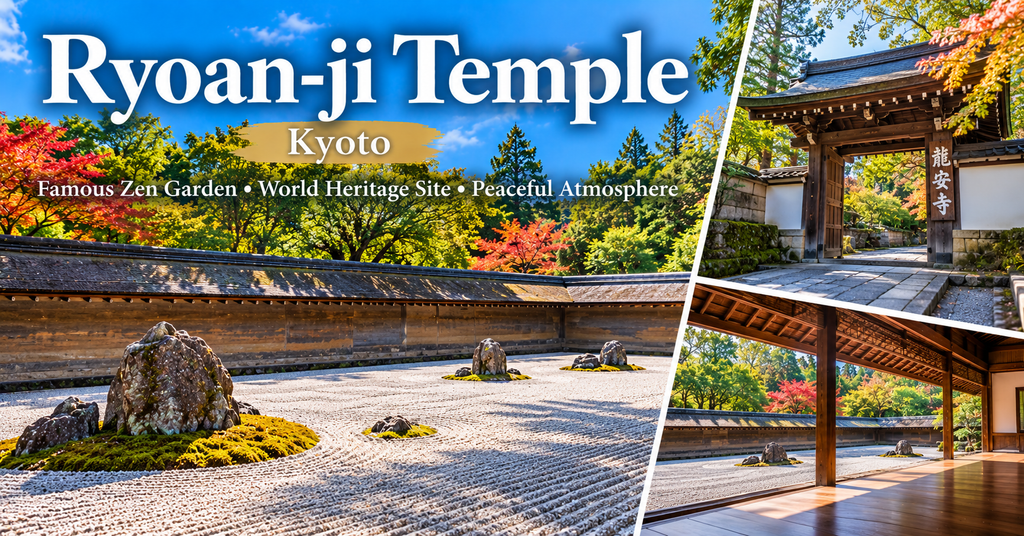
Ryoan-ji is famous for one of Japan’s best-known Zen rock gardens.
Fifteen rocks sit within a rectangular field of carefully raked white gravel.
From the traditional viewing area, the stones are arranged so that you cannot see all fifteen at the same time from a single viewpoint.
Take Your Time Here
Ryoan-ji is not a place that requires a long checklist of things to see.
The main experience is simply sitting quietly and observing the garden.
Afterward, walk around Kyoyo-chi Pond and the larger temple grounds.
Travel Tip: Ryoan-ji and Kinkaku-ji are relatively close to each other, making them a useful combination for the same sightseeing period.
See the official Kyoto tourism guide to Ryoan-ji.
Kifune Shrine
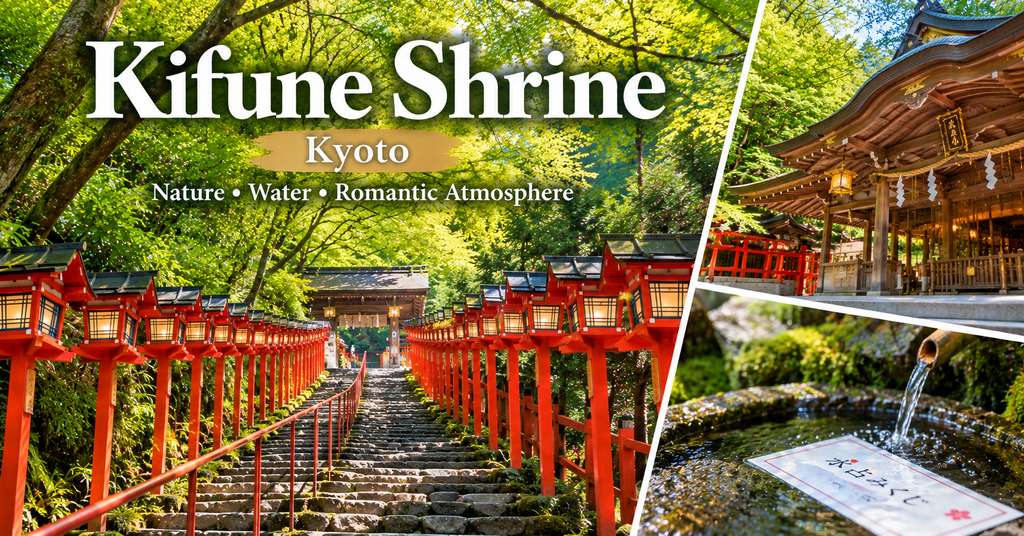
Kifune Shrine offers a completely different atmosphere from central Kyoto.
Located in a mountain village north of the city, the shrine is surrounded by trees and the Kibune River.
Its famous stone staircase lined with red lanterns is particularly beautiful in fresh green, autumn foliage, and snow.
A Shrine Connected With Water
The deity worshipped at the main shrine is Takaokami-no-Kami, a deity associated with water.
Visitors can also try the shrine’s unusual water fortune slips, where writing appears when the paper is placed on sacred water.
Kifune Shrine actually consists of three main worship areas: the Main Shrine, Yui no Yashiro, and the Rear Shrine.
Yui no Yashiro is especially associated with matchmaking and enshrines Iwanaga-hime-no-mikoto.
Travel Tip: Kifune is farther from central Kyoto than most places in this guide, so allow at least half a day if you want to explore the area comfortably.
During summer, restaurants along the Kibune River are also famous for kawadoko dining platforms built above the cool flowing water.
Check the official Kifune Shrine website before visiting.
Byodo-in Temple and Uji
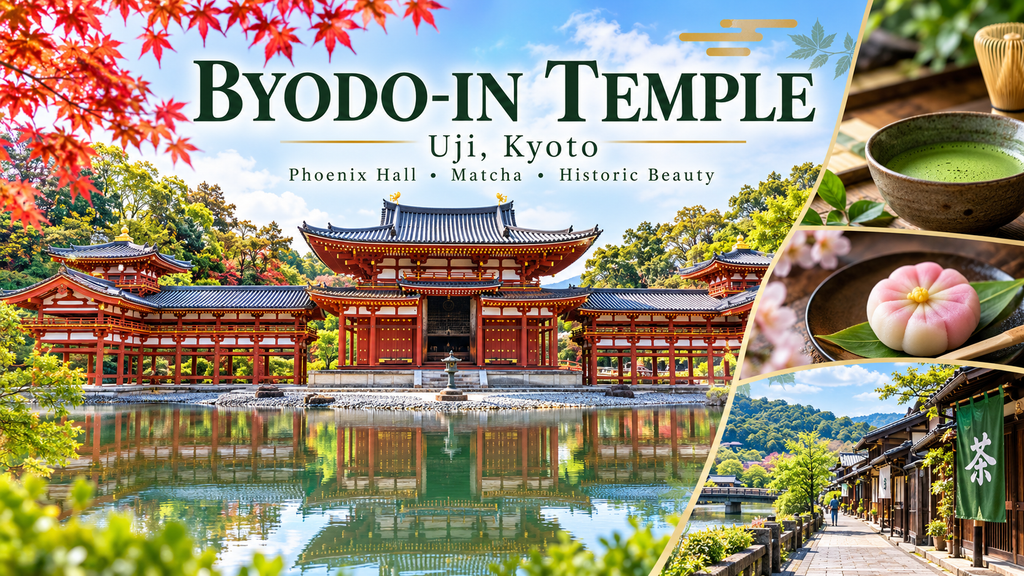
Byodo-in is located in Uji, south of central Kyoto, and makes an excellent half-day trip.
The temple’s Phoenix Hall was completed in 1053 and is one of the most famous surviving examples of architecture from Japan’s Heian period.
The building stands beside a pond and is particularly beautiful when reflected in the water.
Combine Byodo-in With Uji Matcha
Uji is one of Japan’s most famous tea-producing areas.
After visiting Byodo-in, walk through the surrounding streets and try Uji matcha, tea sweets, or other local specialties.
Travel Tip: Entry to the Phoenix Hall interior is managed separately from general garden admission and may involve a waiting time, particularly during busy periods.
Check the official Byodo-in website for the latest visiting system.
Daigo-ji Temple
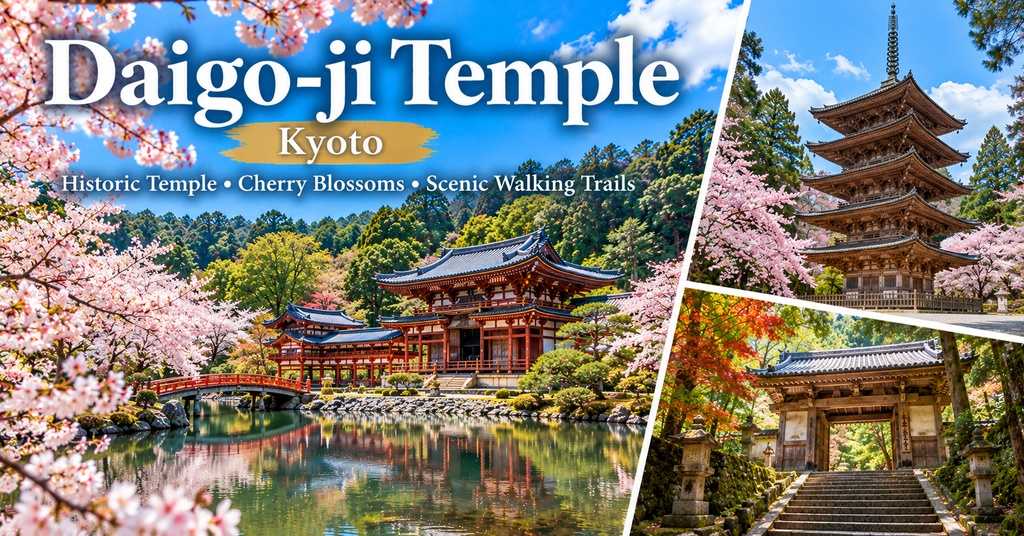
Daigo-ji is a large temple complex in southeastern Kyoto and a UNESCO World Heritage Site.
The temple spreads across Mount Daigo and is especially famous for cherry blossoms.
Toyotomi Hideyoshi held a famous cherry blossom viewing event here in 1598, strengthening the temple’s association with spring scenery.
See One of Kyoto’s Oldest Buildings
Daigo-ji’s five-story pagoda survived the wars and fires that destroyed many historic Kyoto buildings and is now the oldest surviving building in Kyoto.
The temple’s Sanbo-in garden is another major highlight and reflects the artistic culture of the Momoyama period.
Travel Tip: Daigo-ji is large. If you want to explore beyond the lower temple area and hike toward Upper Daigo, allow significantly more time and wear suitable shoes.
See the official Kyoto tourism guide to Daigo-ji.
How Many Days Do You Need in Kyoto?
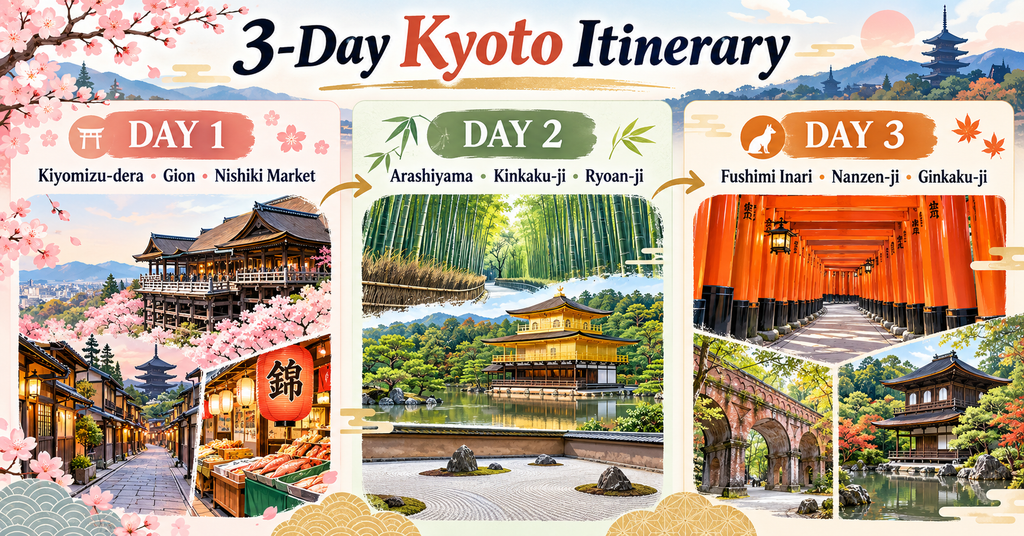
For most first-time visitors, two to three full days is a good starting point for exploring Kyoto without rushing. If you only have one day, focus on a few attractions in the same area.
Trying to visit too many attractions in one day can be tiring because Kyoto’s famous sights are spread across different parts of the city.
A simple three-day plan could look like this:
- Day 1: Kiyomizu-dera → Gion → Yasaka Shrine → Nishiki Market
- Day 2: Arashiyama → Tenryu-ji → Kinkaku-ji → Ryoan-ji
- Day 3: Fushimi Inari → Nanzen-ji → Philosopher’s Path → Ginkaku-ji
If you have extra time, add Kifune, Uji, or Daigo-ji.
Practical Planning Tip
These three-day routes are flexible suggestions rather than strict schedules.
Day 1: Check the opening hours of the shops you want to visit at Nishiki Market. Since each shop has its own schedule, consider visiting the market earlier in the day if shopping or trying local food is a priority.
Day 2: Arashiyama and the Kinkaku-ji area are in different parts of Kyoto. Allow enough time for transportation and consider skipping one stop if you prefer a more relaxed visit.
Day 3: Fushimi Inari is in southern Kyoto, while Nanzen-ji and the Philosopher’s Path are farther north. Plan your transportation between these areas before setting out.
For the latest public transportation guidance and crowd information, check Kyoto’s official tourism website.
Kyoto Travel Congestion Forecast
Best Ways to Get Around Kyoto
Kyoto has buses, subways, JR trains, and private railway lines.
Many first-time visitors rely too heavily on buses, but major sightseeing routes can become crowded and traffic can be slow.
When possible, use trains or the subway for the longest part of your journey and walk or use buses for shorter connections.
An IC card such as Suica, PASMO, or ICOCA can make local transportation easier.
For a complete introduction to Japanese railways, read our guide to using trains in Japan.
Kyoto Travel Tips for First-Time Visitors
- Start early: Famous places such as Fushimi Inari, Kiyomizu-dera, and Arashiyama become much busier later in the day.
- Group attractions by area: Avoid crossing Kyoto repeatedly in the same day.
- Wear comfortable shoes: Kyoto involves a lot of walking, slopes, temple stairs, and gravel paths.
- Carry some cash: Smaller temples, food stalls, and traditional shops may not always accept every payment method.
- Respect local neighborhoods: Do not enter private property or block narrow streets for photographs.
- Check seasonal hours: Temple opening hours and evening illuminations can change throughout the year.
What About Amanohashidate?
Amanohashidate is located in northern Kyoto Prefecture and is one of the traditional Three Views of Japan.
It is absolutely worth visiting, but it takes around two hours from Kyoto by limited express train, so it is better treated as a separate day trip rather than a regular Kyoto city sightseeing stop.
If you are interested in visiting, read our complete guide to the Three Views of Japan.
Best Places to Visit in Kyoto FAQ
What Is the Number One Place to Visit in Kyoto?
There is no single best place for everyone, but Kiyomizu-dera, Fushimi Inari Taisha, Kinkaku-ji, and Arashiyama are among the most popular choices for first-time visitors.
Is Two Days Enough for Kyoto?
Two days is enough to see several major attractions, but three days gives you a much more comfortable pace.
If you only have two days, focus on two geographical areas each day instead of trying to visit every famous attraction.
When Is the Best Time to Visit Kyoto?
Spring and autumn offer some of Kyoto’s most beautiful scenery, but they are also among the busiest seasons.
Cherry blossom timing varies each year, while autumn colors typically develop during November in many parts of the city.
Winter can be quieter, while summer is hot and humid but includes major events such as Gion Matsuri.
Can You Visit Kyoto as a Day Trip From Osaka?
Yes. Kyoto and Osaka are connected by frequent trains, so a day trip is easy.
However, Kyoto has enough attractions for several days, so staying overnight is better if it fits your itinerary.
Are Kyoto Temples and Shrines Free?
It depends on the location.
Some shrines, including Fushimi Inari Taisha and Yasaka Shrine, can be visited without a general admission fee.
Many temples, gardens, castles, and special buildings charge admission, and prices can change.
Always check the official website before visiting.
Final Tips for Visiting Kyoto
Kyoto is not a city where you need to rush from one landmark to another.
Some of the best experiences come from walking between temples, exploring quiet streets, stopping at a local cafe, or simply spending time in a garden.
For a first trip, start with major landmarks such as Kiyomizu-dera, Fushimi Inari, Kinkaku-ji, Arashiyama, and Gion, then add places that match your interests.
If you enjoy Zen gardens, visit Ryoan-ji, Nanzen-ji, or Ginkaku-ji. If you prefer nature, add Kifune or Arashiyama. For history, Nijo Castle and Byodo-in are excellent choices.
Plan your days by area, start early when possible, and leave some free time to experience Kyoto beyond the famous photo spots.