Best Places to Visit in Nara: 5 Must-See Attractions
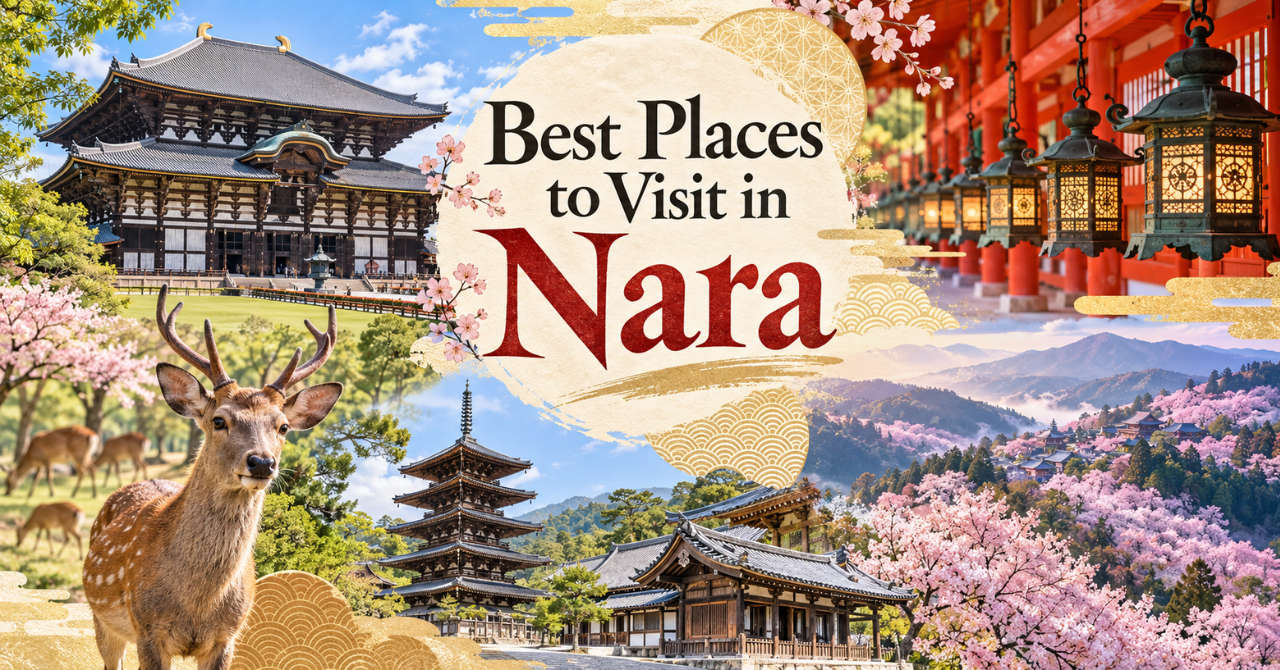
Nara is one of the best places in Japan to experience ancient temples, Shinto shrines, sacred deer, traditional landscapes, and some of the country’s most important cultural heritage.
Japan’s capital was located at Heijo-kyo in present-day Nara during much of the Nara Period, and the city remains home to many temples and shrines connected to the early development of Japanese Buddhism and government.
For first-time visitors, the good news is that several of Nara’s most famous attractions are concentrated around Nara Park and can easily be explored on foot.
However, Horyu-ji Temple and Mount Yoshino are farther away, so they are better treated as separate half-day or full-day trips.
In this guide, we introduce five of the best places to visit in Nara and explain what makes each one special, how to get there, and what travelers should know before visiting.
Important: Opening hours, admission fees, transportation, seasonal events, and cherry blossom conditions can change. Always check the latest official information before your trip.
Local Tip: Most first-time visitors can enjoy Nara Park, Todai-ji, and Kasuga Taisha in the same walking area. Horyu-ji and Mount Yoshino need separate planning, so do not treat all five places as if they are next door to each other.
- 5 Best Places to Visit in Nara at a Glance
- Todai-ji Temple – The Great Buddha of Nara
- Nara Park – Meet Nara’s Wild Deer
- Kasuga Taisha Shrine – Lanterns and Sacred Forest
- Horyu-ji Temple – Ancient Buddhist Architecture
- Mount Yoshino – Nara’s Famous Cherry Blossom Mountain
- Which Nara Attraction Should You Choose?
- Can You Visit All 5 Places in One Day?
- How Long Should You Spend in Nara?
- Best Time to Visit Nara
- Practical Tips for Visiting Nara
- Combine Nara with Kyoto
- Final Tips
5 Best Places to Visit in Nara at a Glance
| Place | Area | Best Known For | Recommended Time |
|---|---|---|---|
| Todai-ji Temple | Nara Park | Great Buddha and giant wooden hall | 1–2 hours |
| Nara Park | Central Nara | Free-roaming wild deer | 1–2 hours |
| Kasuga Taisha Shrine | Nara Park | Lanterns and sacred forest | 1–1.5 hours |
| Horyu-ji Temple | Ikaruga | Ancient Buddhist architecture | 2–3 hours |
| Mount Yoshino | Southern Nara | Cherry blossoms and mountain scenery | Half day to full day |
Todai-ji Temple – The Great Buddha of Nara
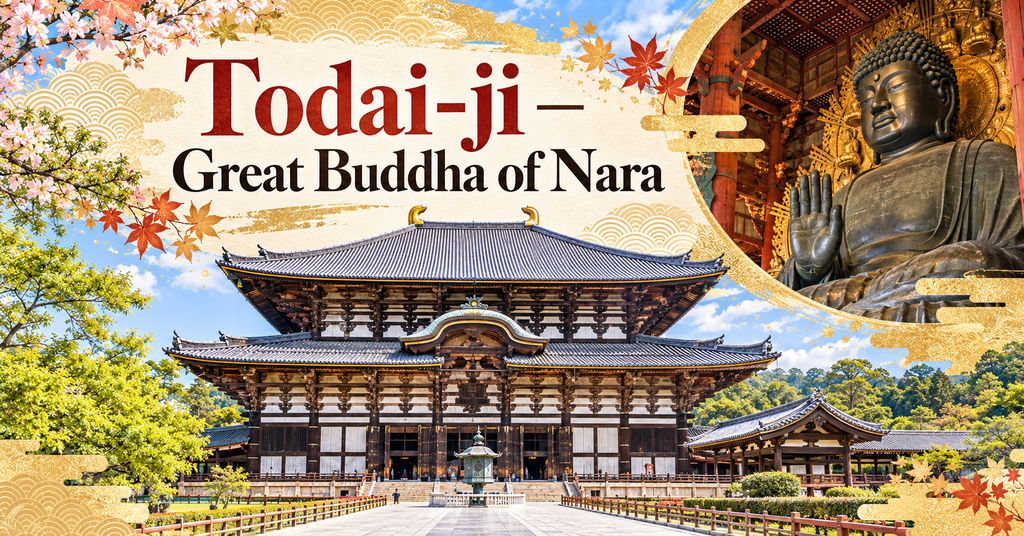
Todai-ji Temple is one of Nara’s most famous landmarks and one of the most impressive Buddhist temples in Japan.
The temple was established during the Nara Period and played an important role in the development of Buddhism in Japan.
Its most famous feature is the enormous bronze Great Buddha, or Daibutsu, which stands approximately 15 meters tall inside the Daibutsuden, or Great Buddha Hall.
Todai-ji is part of the UNESCO World Heritage Site known as the Historic Monuments of Ancient Nara.
What to See
Do not rush directly to the Great Buddha Hall.
On the approach, you will first pass through Nandaimon Gate, where two enormous guardian statues stand on either side of the entrance.
After seeing the Great Buddha, continue farther into the temple grounds if you have time.
Nigatsudo Hall is especially worth visiting because it offers elevated views across Nara and usually feels calmer than the area around the main hall.
Access and Travel Tips
Todai-ji is approximately a 20-minute walk from Kintetsu Nara Station and can also be reached by local bus.
It is located inside the wider Nara Park area, making it easy to combine with Nara Park and Kasuga Taisha on the same day.
For current opening hours, admission fees, and access information, check the Official Nara Travel Guide for Todai-ji Temple.
Nara Park – Meet Nara’s Wild Deer
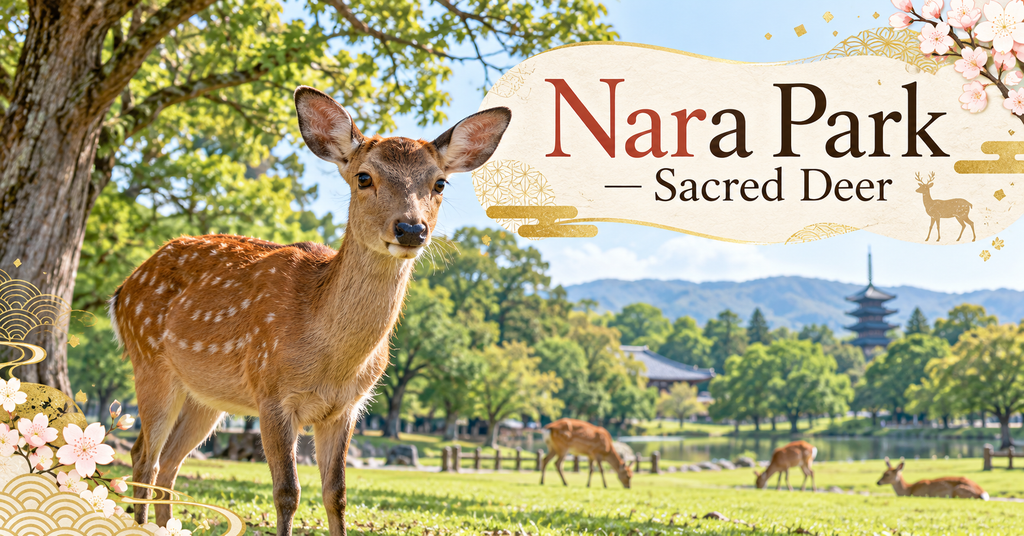
Nara Park is the large green area connecting many of central Nara’s most famous temples, shrines, museums, and walking routes.
The park is especially famous for the wild deer that roam freely throughout the area.
The deer have a long cultural connection with Kasuga Taisha and were traditionally regarded as messengers of the Shinto deities.
Today, they are protected animals and remain one of the most recognizable symbols of Nara.
How to Feed the Deer Safely
You can buy special crackers called shika senbei from vendors around the park.
These crackers are the only food visitors should intentionally give to the deer.
Remember that the deer are still wild animals, even though they are accustomed to people.
- Only feed them official shika senbei.
- Do not tease the deer by pretending to offer food and pulling it away.
- Do not chase, grab, or intentionally touch them.
- Keep maps, plastic bags, and other objects away from their mouths.
- Be especially careful with young children.
- If you have finished feeding them, show your empty hands and move away calmly.
For more information about safely interacting with the deer, see the Official Nara Travel Guide to Nara’s sacred deer.
What Else Is Inside Nara Park?
Nara Park is not only about deer.
Todai-ji Temple, Kasuga Taisha Shrine, Kohfuku-ji Temple, museums, ponds, tea houses, and walking paths are all located in or around the park area.
This makes Nara Park an excellent base for a full day of sightseeing without constantly using trains or buses.
Check the official Nara Park visitor information before your trip.
Kasuga Taisha Shrine – Lanterns and Sacred Forest
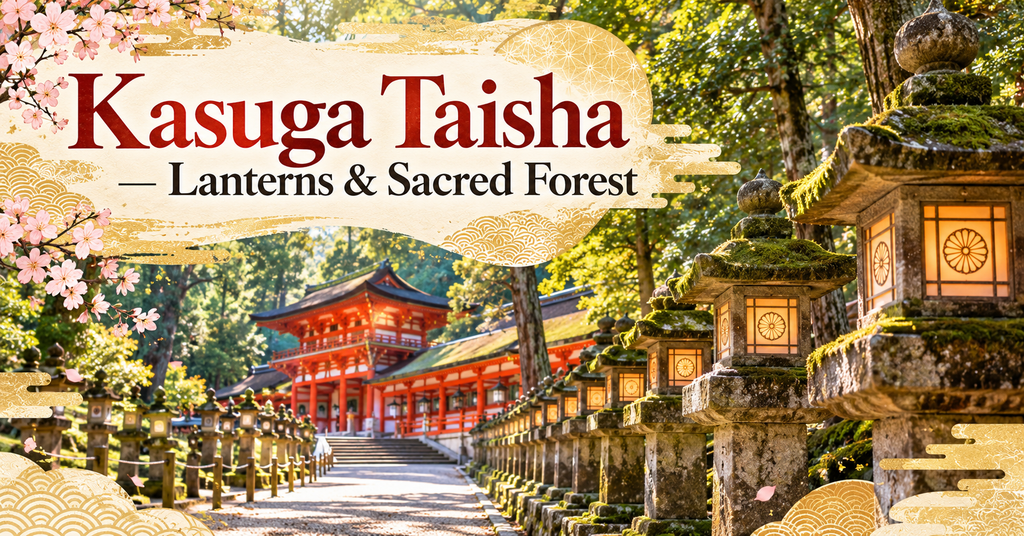
Kasuga Taisha is one of Nara’s most important Shinto shrines.
The shrine’s origins are connected to the establishment of Japan’s ancient capital, and the main sanctuary at the present site dates to 768.
It is also part of the UNESCO Historic Monuments of Ancient Nara.
Thousands of Lanterns
The approach through the forest is lined with hundreds of stone lanterns, while bronze lanterns hang throughout the shrine’s corridors.
During special lantern festivals in February and August, thousands of lanterns around the shrine are illuminated.
Even outside those festival dates, visitors can see many of the lanterns throughout the shrine grounds.
Special Admission Area
General worship at the shrine is possible without entering every paid area, but a special admission area allows visitors to walk through parts of the cloister and see hanging lanterns more closely.
Opening hours and access to special areas can change because of ceremonies and shrine events.
Check the Kasuga Taisha official website before visiting.
Kasuga Taisha is also connected to one of Japan’s famous historic torii gates. Learn more in our guide to the Three Great Torii Gates of Japan.
Because Kasuga Taisha is an active Shinto shrine, visitors should also follow basic shrine etiquette. See our Japanese etiquette guide for tourists for more information.
Horyu-ji Temple – Ancient Buddhist Architecture
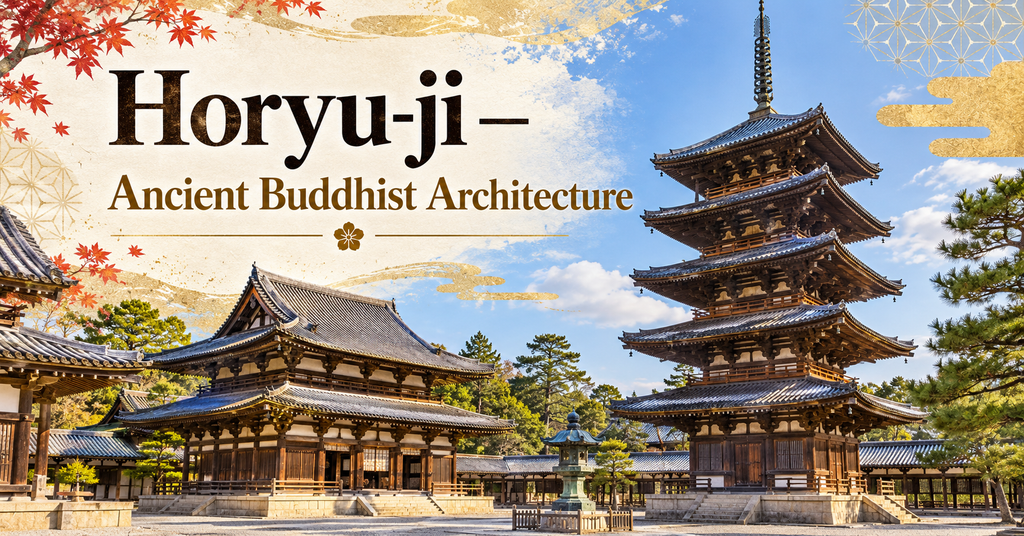
Horyu-ji Temple is located in Ikaruga, outside central Nara, and offers a very different experience from the crowded Nara Park area.
The temple is closely associated with Prince Shotoku and the development of Buddhism in early Japan.
Its historic temple complex contains some of the world’s oldest surviving wooden Buddhist buildings, including its famous five-story pagoda.
In 1993, the Buddhist Monuments in the Horyu-ji Area became Japan’s first UNESCO World Heritage Site.
What to See
The Western Precinct contains some of Horyu-ji’s most famous buildings, including the five-story pagoda and Kondo, or Main Hall.
The temple also preserves an exceptional collection of Buddhist sculptures, paintings, and religious treasures from early periods of Japanese history.
If you enjoy history and architecture, Horyu-ji deserves more time than a quick photo stop.
Access and Travel Tips
Horyu-ji is not within walking distance of Nara Park.
From JR Horyuji Station, the temple is approximately a 20-minute walk, or you can use a local bus.
It is possible to combine Horyu-ji with central Nara in one day, but giving the Ikaruga area at least half a day makes the visit much more relaxed.
For current opening hours, admission fees, and transportation information, check the Official Nara Travel Guide to Horyu-ji Temple.
Mount Yoshino – Nara’s Famous Cherry Blossom Mountain
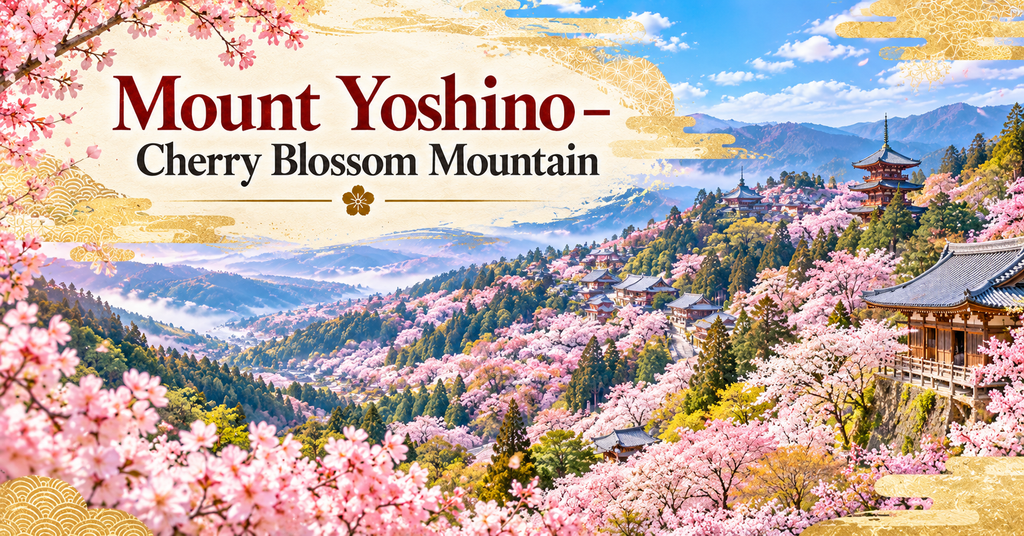
Mount Yoshino in southern Nara is one of Japan’s most famous cherry blossom destinations.
Approximately 30,000 cherry trees from around 200 varieties grow across the mountain.
Because the trees are spread across different elevations, flowering generally progresses gradually from the lower areas toward the upper mountain.
This can create a longer viewing season than destinations where most cherry trees bloom at the same elevation.
When Is the Best Time to Visit?
Cherry blossom timing changes every year depending on temperatures and weather conditions.
Official tourism information generally places the main blooming period between late March and mid-April.
Do not plan your trip around one fixed historical blooming date. Check the latest flowering forecast shortly before traveling.
Mount Yoshino Is More Than Cherry Blossoms
Yoshino has deep connections with Shugendo, a Japanese mountain-based religious tradition.
The area includes temples and shrines such as Kinpusen-ji Temple and Yoshimizu Shrine, along with hiking routes, viewpoints, traditional accommodations, and mountain scenery.
Autumn is another attractive season, when the mountains turn red and yellow.
Access and Travel Tips
The main gateway is Kintetsu Yoshino Station.
From there, visitors can walk uphill or use local transportation depending on the season and area they want to explore.
Mount Yoshino is significantly farther from central Nara than Todai-ji or Nara Park, so allow at least half a day. During cherry blossom season, a full day or overnight stay can be more comfortable.
For current seasonal information, transportation, and cherry blossom conditions, check the Official Nara Travel Guide to Mount Yoshino.
Which Nara Attraction Should You Choose?
| If You Want… | Best Choice |
|---|---|
| Nara’s most iconic temple | Todai-ji |
| To see the famous deer | Nara Park |
| A beautiful Shinto shrine | Kasuga Taisha |
| Ancient Buddhist architecture | Horyu-ji |
| Cherry blossoms and mountain scenery | Mount Yoshino |
Can You Visit All 5 Places in One Day?
Trying to visit all five in one day is not recommended.
Todai-ji, Nara Park, and Kasuga Taisha form a very natural one-day walking route because they are located in the same general area.
Horyu-ji is farther west in Ikaruga and is better treated as a separate half-day trip.
Mount Yoshino is much farther south and deserves at least half a day, especially during cherry blossom season.
Recommended First-Time Nara Plan
- Morning: Todai-ji Temple
- Late morning: Walk through Nara Park and see the deer
- Afternoon: Kasuga Taisha Shrine
- Late afternoon: Return toward central Nara or explore Naramachi
If you have a second day, choose either Horyu-ji for history and architecture or Mount Yoshino for nature and seasonal scenery.
How Long Should You Spend in Nara?
A day trip is enough to see the main Nara Park attractions.
However, spending one night in Nara gives you more time to experience the city before and after the largest day-trip crowds arrive.
For travelers who also want to visit Horyu-ji or Yoshino, two days or more is much more comfortable.
Best Time to Visit Nara
Spring
Spring is especially popular because of cherry blossoms and pleasant temperatures.
Mount Yoshino becomes extremely busy during its peak cherry blossom period, so transportation and accommodation should be planned early.
Summer
Summer is lush and green but can be hot and humid. Carry water and allow breaks, especially when walking around the large Nara Park area.
Autumn
Autumn brings colorful foliage to temples, shrines, parks, and mountain areas.
Kasuga Taisha and Yoshino are particularly atmospheric during this season.
Winter
Winter can be cold, but major attractions may feel calmer than during spring and autumn peak periods.
Practical Tips for Visiting Nara
- Wear comfortable shoes. Nara Park sightseeing involves a significant amount of walking.
- Start early. Todai-ji and the deer area become busier later in the day.
- Respect the deer. They are wild animals, not pets.
- Use only official deer crackers. Do not feed the deer human food.
- Allow extra time during cherry blossom season. Yoshino becomes extremely crowded.
- Check temple and shrine rules. Some religious areas restrict photography or access.
Combine Nara with Kyoto
Nara is easily combined with Kyoto on a Kansai itinerary.
However, instead of rushing both cities into a single day, consider giving Nara at least one full sightseeing day if you want to properly explore Todai-ji, Nara Park, and Kasuga Taisha.
For more ideas nearby, see our guide to must-visit places in Kyoto.
Final Tips
Nara is much more than a quick stop to take photographs with deer.
Todai-ji shows the scale of ancient Japanese Buddhism, Kasuga Taisha connects visitors with Shinto traditions, Horyu-ji preserves some of Japan’s earliest Buddhist architecture, and Mount Yoshino combines nature with centuries of religious history.
For a first visit, focus on Todai-ji, Nara Park, and Kasuga Taisha in one day. Then add Horyu-ji or Mount Yoshino if you have more time.
Planning the destinations by area rather than simply trying to check off all five will make your Nara trip much more enjoyable.