Recommended Hidden Mystical Spots in Japan
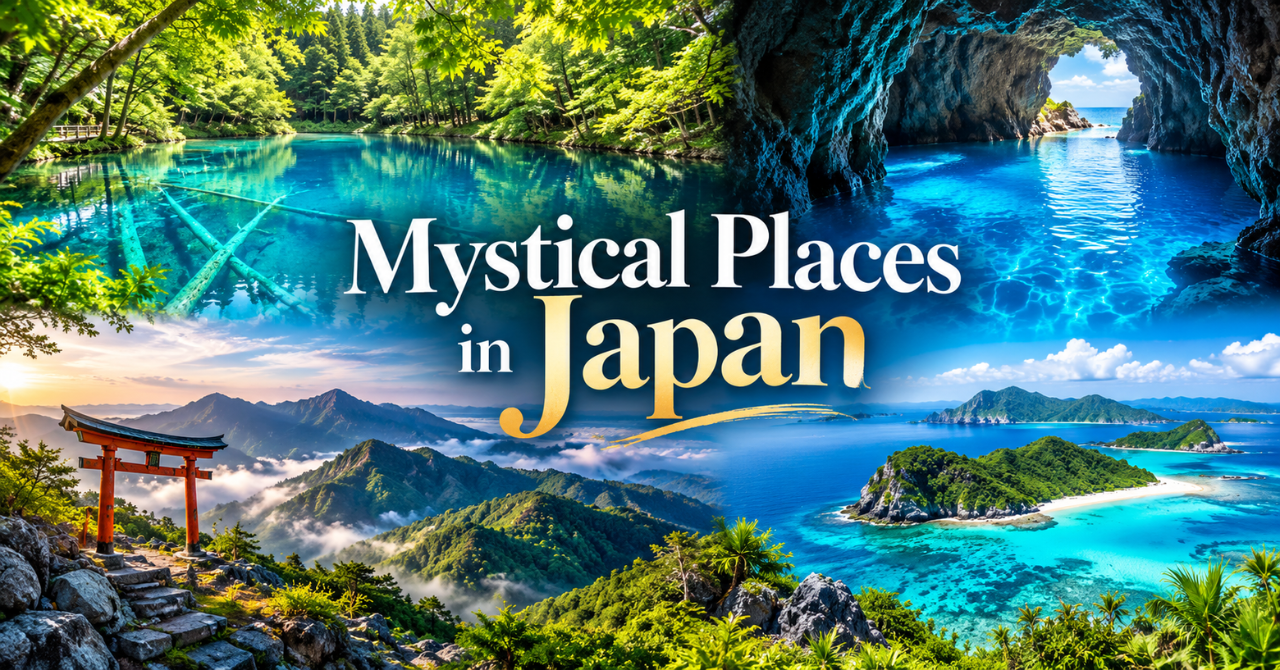
Japan is filled with famous temples, cities, and tourist attractions, but some of its most memorable landscapes are hidden far from the usual sightseeing routes.
Crystal-clear blue ponds, mysterious limestone caves, seasonal snow formations, deep mountain gorges, and remote islands can make parts of Japan feel almost otherworldly.
In this guide, we introduce seven mystical places in Japan that are worth considering if you want to experience a quieter and more unusual side of the country.
Here, “mystical” does not necessarily mean supernatural. It describes places where unusual natural scenery, local legends, or remote surroundings create a special atmosphere.
Local Tip: Many of Japan’s more unusual natural spots are difficult to reach without careful timing. Check buses, seasonal road access, and the last return service before visiting, especially in rural areas where transportation is limited.
- 7 Mystical Places in Japan at a Glance
- Hokkaido – Kaminoko-ike Pond
- Iwate – Hachimantai Dragon Eye
- Iwate – Ryusendo Cave
- Tokyo – Ogasawara Islands
- Shizuoka – Sumatakyo Gorge
- Yamaguchi – Akiyoshido Cave
- Kochi – Nikobuchi
- Which Mystical Place in Japan Should You Visit?
- Tips for Visiting Remote Natural Places in Japan
- Final Tips
7 Mystical Places in Japan at a Glance
| Place | Prefecture | Best For | Travel Difficulty |
|---|---|---|---|
| Kaminoko-ike Pond | Hokkaido | Clear blue water and forest scenery | Moderate |
| Hachimantai Dragon Eye | Iwate / Akita | Rare seasonal snow scenery | Moderate |
| Ryusendo Cave | Iwate | Underground lakes and limestone caves | Moderate |
| Ogasawara Islands | Tokyo | Remote islands and unique ecosystems | High |
| Sumatakyo Gorge | Shizuoka | Turquoise water and hiking | Moderate |
| Akiyoshido Cave | Yamaguchi | Huge limestone formations | Easy to Moderate |
| Nikobuchi | Kochi | Niyodo Blue and sacred scenery | Moderate |
Hokkaido – Kaminoko-ike Pond
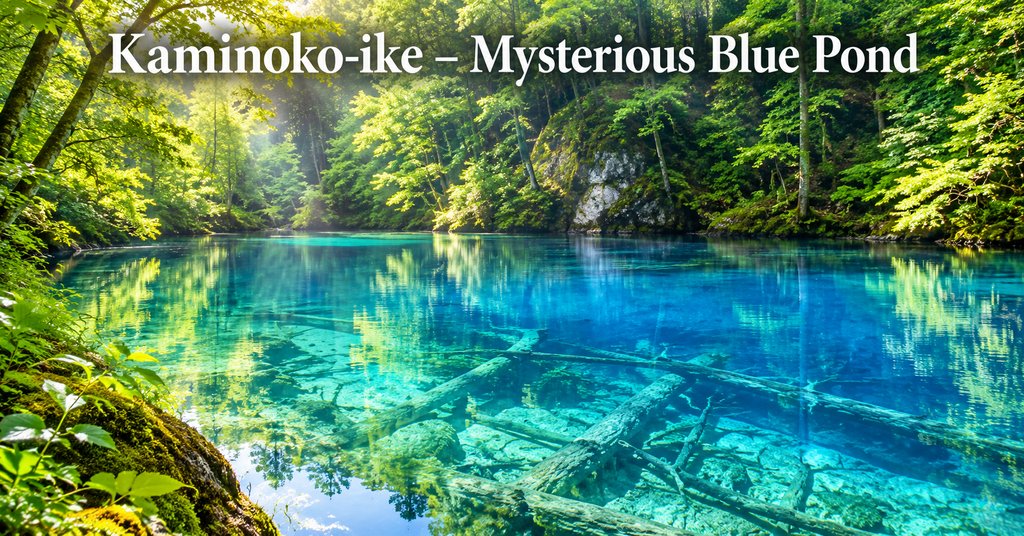
Hidden in the forests of eastern Hokkaido, Kaminoko-ike Pond is famous for its exceptionally clear blue water.
The pond is about five meters deep, but the water is so transparent that submerged trees and the bottom can clearly be seen.
The color changes depending on the sunlight, sometimes appearing bright turquoise and at other times a deeper blue or green.
Why Kaminoko-ike Feels So Mystical
The name Kaminoko-ike can be translated as “Pond of the Child of the Gods.” According to local Ainu legend, its water is connected to nearby Lake Mashu, which has long been associated with the gods.
The cold spring water remains at a low temperature throughout the year, helping preserve fallen trees beneath the surface and creating the unusual underwater scenery.
Access and Travel Tips
Kaminoko-ike is located near Kiyosato in eastern Hokkaido.
A car is the most practical way to visit. If you are planning to drive in Hokkaido or other rural areas, see our rental car guide for Japan before your trip.
The final section of the road passes through the forest and includes an unpaved stretch, so drive carefully.
Snow can make access difficult during winter, so check local road conditions before visiting.
If you are exploring eastern Hokkaido by car, you can also combine Kaminoko-ike with Lake Mashu and the Ura-Mashu Observatory.
Iwate – Hachimantai Dragon Eye
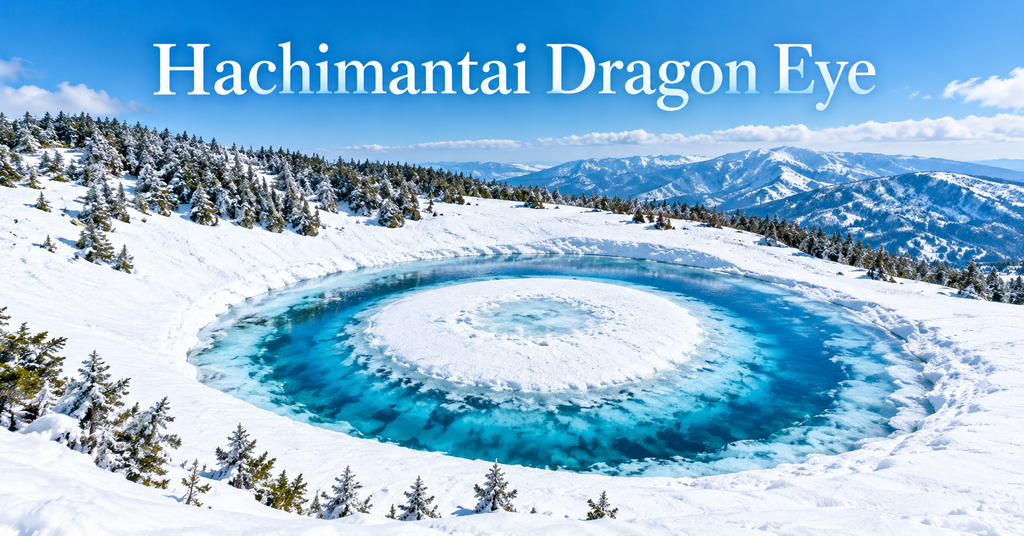
The Hachimantai Dragon Eye is one of Japan’s most unusual seasonal natural phenomena.
It appears at Kagami-numa Pond near the summit of Mount Hachimantai, close to the border between Iwate and Akita prefectures.
As the snow covering the pond begins to melt, a ring of blue water can form around a white center, creating a pattern that looks like a giant eye.
When Can You See the Dragon Eye?
The phenomenon normally appears for only a short period during the spring snowmelt season.
The typical viewing period is from around mid-May to mid-June, but the appearance changes every year depending on temperature, snowfall, wind, and other weather conditions.
There is no guarantee that the pond will form a perfect “eye,” which is part of what makes the experience so special.
Access and Travel Tips
The Dragon Eye is located in a high-elevation mountain area where snow may remain even when lower areas are already warm.
Wear shoes suitable for snow or wet ground and bring warm clothing.
Road openings and access conditions around Hachimantai can change with the weather, so check the latest local information before traveling.
Because the Dragon Eye depends heavily on snow and weather conditions, check the official Hachimantai tourism website for the latest viewing information.
Iwate – Ryusendo Cave
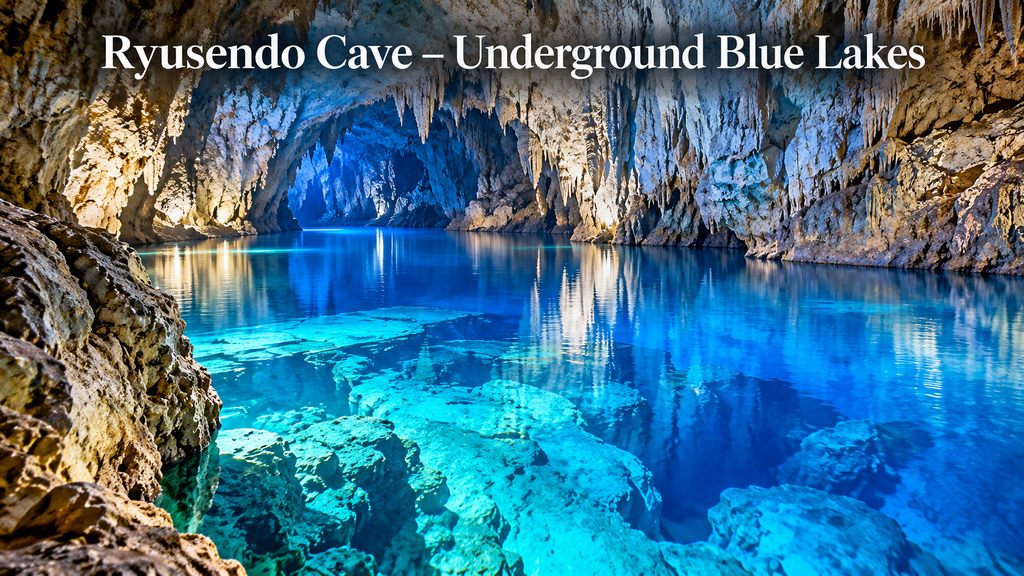
Ryusendo Cave in Iwaizumi, Iwate Prefecture, is one of Japan’s best-known limestone caves.
More than four kilometers of the cave system have been confirmed, while about 700 meters are open to ordinary visitors.
The cave is especially famous for its underground lakes, where incredibly clear water creates deep shades of blue beneath the illuminated rock walls.
What Makes Ryusendo Special?
Eight underground lakes have been discovered inside the cave, although only some are open to visitors.
The combination of blue water, narrow passages, limestone formations, and low lighting gives the cave a completely different atmosphere from sightseeing above ground.
Ryusendo Cave and the bats living inside it are also protected as a natural monument.
Access and Travel Tips
Ryusendo is located in a relatively remote part of eastern Iwate.
Public transportation is available from Morioka, but travel takes time, so plan your schedule carefully.
The cave contains stairs, slopes, and wet surfaces. Comfortable shoes with good grip are recommended.
Opening hours can vary by season, so check the latest information before visiting.
Opening hours and visitor information can change, so check the official Ryusendo Cave website before visiting.
Tokyo – Ogasawara Islands
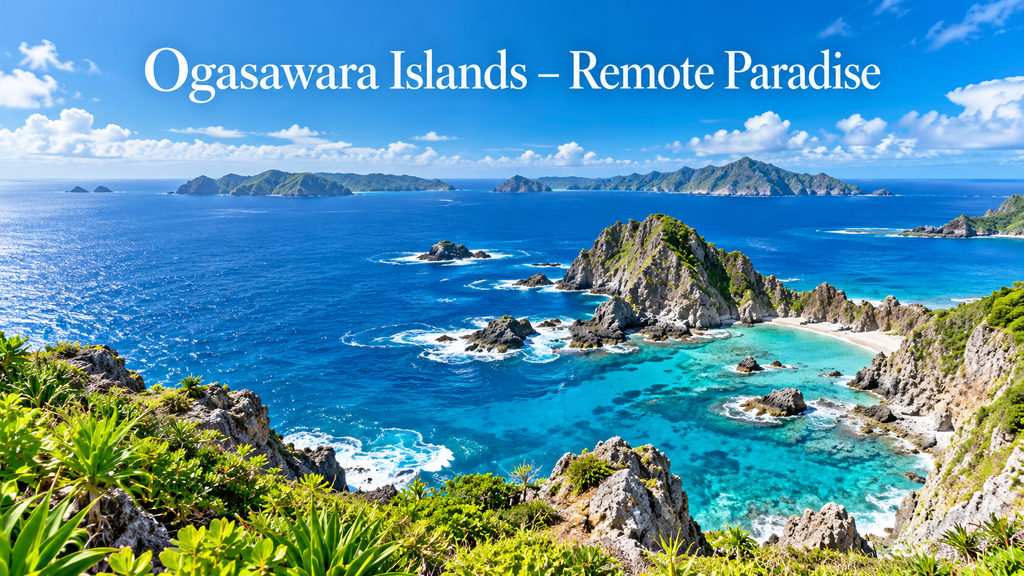
The Ogasawara Islands may officially belong to Tokyo, but they feel far removed from the busy streets of the capital.
Located about 1,000 kilometers south of central Tokyo, the islands are home to subtropical forests, clear ocean water, coral reefs, and plants and animals that evolved in isolation.
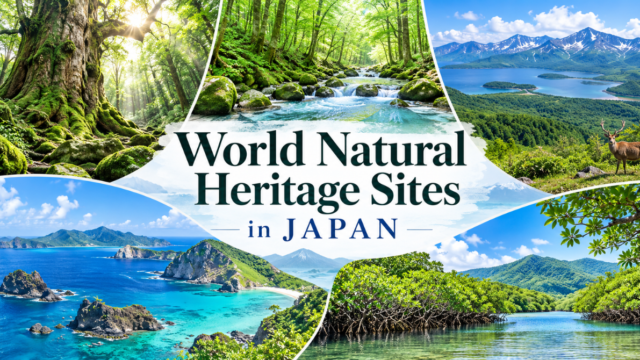
The islands were added to the UNESCO World Heritage List in 2011 because of their unique ecosystems.
Minamijima – One of Ogasawara’s Most Unusual Landscapes
One of the most striking places in the Ogasawara Islands is Minamijima, an uninhabited island known for its unusual karst landscape and beautiful Ogiike lagoon.
White sand, steep rock formations, and clear blue-green water make the island look very different from most beaches on Japan’s main islands.
Because the environment is fragile, access to Minamijima is controlled. Visitors generally need to join an approved tour with a licensed guide.
Access and Travel Tips
There is no regular passenger airport serving Chichijima, the main island used by travelers.
The usual journey begins at Takeshiba Pier in Tokyo, followed by a ferry ride of about 24 hours to Chichijima.
Because ferry departures are limited, an Ogasawara trip requires much more planning than a normal day trip from Tokyo.
Book transportation, accommodation, and nature tours well in advance.
If you want to learn more about Ogasawara and Japan’s other protected natural areas, see our guide to Japan’s World Natural Heritage Sites.
Shizuoka – Sumatakyo Gorge
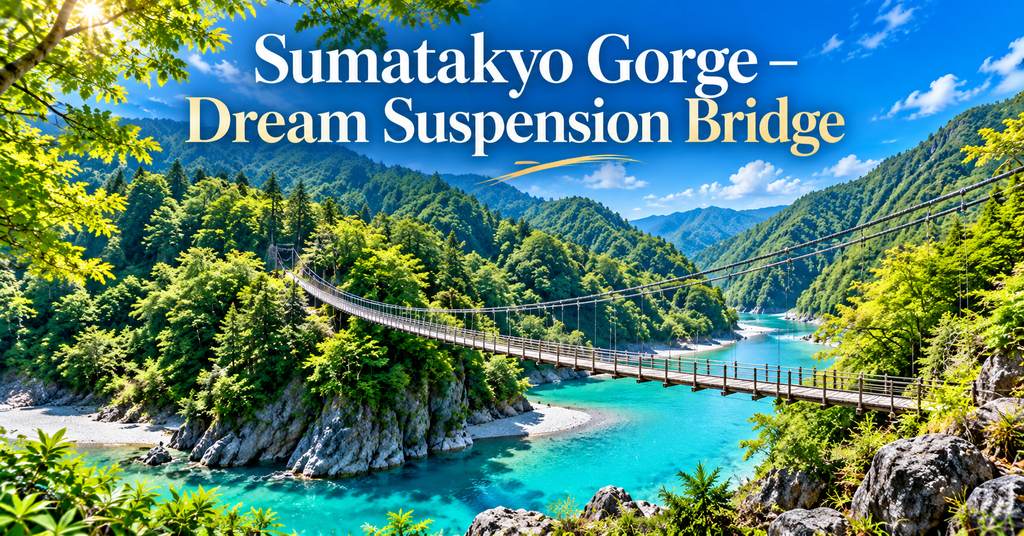
Sumatakyo Gorge is hidden deep in the mountains of Shizuoka Prefecture and is famous for its forests, hot springs, and striking turquoise water.
The best-known landmark is the Yume no Tsuribashi, or Dream Suspension Bridge, which stretches about 90 meters across the gorge.
Looking down from the narrow bridge at the blue-green water surrounded by mountains creates one of the area’s most memorable views.
Walking the Dream Suspension Bridge
The bridge is reached on foot from Sumatakyo Onsen.
A popular walking route around the gorge takes about 90 minutes and includes steep stairs as well as mountain paths.
The scenery is beautiful throughout the green season, while autumn brings colorful leaves to the surrounding mountains.
Access and Travel Tips
Sumatakyo is in a remote mountain area, so getting there requires more time than visiting major attractions in central Shizuoka.
Travelers can reach the area by car or combine the trip with local railway and bus services.
Wear comfortable walking shoes, especially if you plan to complete the full promenade around the bridge.
After hiking, Sumatakyo Onsen is a relaxing place to spend some extra time in the area.
Trail conditions and congestion can change, especially during autumn, so check the official Explore Shizuoka guide to Sumatakyo before your visit.
Yamaguchi – Akiyoshido Cave
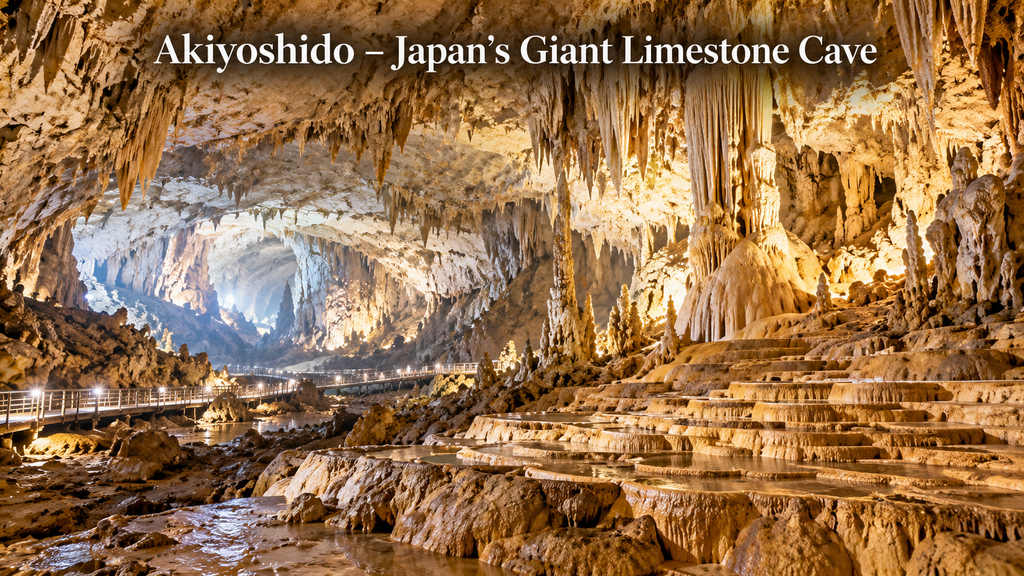
Akiyoshido is a huge limestone cave beneath the Akiyoshidai karst plateau in Yamaguchi Prefecture.
The entire cave system extends for many kilometers, while roughly one kilometer has been developed as a sightseeing route.
Inside, visitors can see enormous chambers, underground streams, stalactites, stalagmites, and unusual limestone formations.
What to See Inside Akiyoshido
One of the most famous formations is Hyakumai-zara, or the “Hundred Plates,” where layers of limestone resemble stacks of plates.
Another highlight is the massive Golden Pillar.
The cave stays at a relatively stable temperature throughout the year, making it an interesting place to visit even during Japan’s hot summers.
Combine It with Akiyoshidai
Above the cave is Akiyoshidai, one of Japan’s largest karst plateaus.
The wide grasslands and exposed limestone create scenery that looks very different from the forests and mountains found across much of Japan.
Combining the cave and plateau gives you two completely different landscapes in one trip.
Access and Travel Tips
Buses connect the Akiyoshido area with Shin-Yamaguchi Station and other parts of Yamaguchi Prefecture.
The sightseeing route inside the cave is well developed, but comfortable shoes are still recommended because some surfaces may be wet.
For the latest opening hours, access information, and cave conditions, check the official Akiyoshido Cave website.
Kochi – Nikobuchi
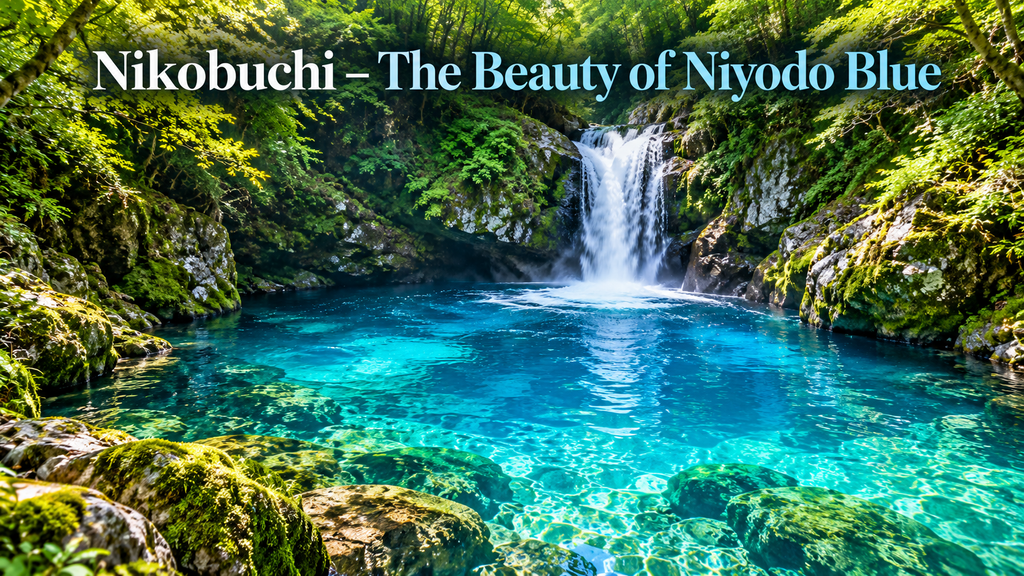
Deep in the mountains of Kochi Prefecture, Nikobuchi is a small waterfall basin known for the vivid blue color of its water.
It is one of the best-known places to experience “Niyodo Blue,” the name used for the remarkable blue and turquoise colors found along the Niyodo River system.
The appearance of the water changes depending on the weather, season, and angle of the sunlight.
A Sacred Place with a Local Legend
Nikobuchi is more than a beautiful photography spot.
Local tradition regards it as a sacred place connected to a giant serpent believed to be an incarnation of a water deity.
For this reason, visitors should treat the area respectfully.
Entering the water is prohibited, and visitors should not eat or drink beside the pool.
When Is the Water Most Blue?
The exact color depends on natural conditions, but the water often appears especially vivid when sunlight reaches the basin directly around the middle of the day.
However, there is no guarantee of seeing the exact same shade shown in photographs.
Access and Travel Tips
Traveling by rental car or taxi is generally the easiest option.
The site is in a mountainous area, and public transportation is limited.
The path down toward the water can be wet and slippery, so wear shoes with good grip.
There are no toilets directly at Nikobuchi, so use nearby facilities before visiting.
Nikobuchi is only one of many natural attractions in the region. For more ideas in Kochi and the surrounding area, see our Shikoku travel guide.
For official access information and current travel guidance, see the JNTO guide to Kaminoko-ike Pond.
For current access information and local rules, see the official Visit Kochi guide to Nikobuchi.
Which Mystical Place in Japan Should You Visit?
| If You Want… | Best Choice |
|---|---|
| A mysterious blue pond | Kaminoko-ike Pond |
| A rare seasonal phenomenon | Hachimantai Dragon Eye |
| Underground lakes | Ryusendo Cave |
| A remote island adventure | Ogasawara Islands |
| Mountain scenery and a suspension bridge | Sumatakyo Gorge |
| A huge limestone cave | Akiyoshido Cave |
| Brilliant blue river scenery | Nikobuchi |
For travelers using public transportation, Ryusendo and Akiyoshido may be easier to plan than some of the more remote locations.
If you are renting a car, Kaminoko-ike, Hachimantai, Sumatakyo, and Nikobuchi become much easier to include in a regional road trip.
Ogasawara requires the most time and advance planning, but it also offers the most remote experience on this list.
Tips for Visiting Remote Natural Places in Japan
- Check weather, road, and trail conditions before leaving.
- Do not rely only on public transportation schedules from old travel blogs.
- Wear shoes suitable for wet, uneven, or slippery ground.
- Carry water and basic supplies when visiting remote areas.
- Do not enter restricted areas or leave designated trails.
- Respect wildlife, plants, and local religious or cultural customs.
- Take all garbage with you when bins are unavailable.
- Check official tourism information before your trip because access rules may change.
Final Tips
Japan’s most famous destinations are easy to find, but some of the country’s most memorable scenery lies far beyond the usual Tokyo, Kyoto, and Osaka itinerary.
Kaminoko-ike offers impossibly clear blue water, the Hachimantai Dragon Eye appears for only a short season, Ryusendo and Akiyoshido reveal a world beneath the ground, and Ogasawara rewards travelers willing to spend a full day reaching the islands.
Sumatakyo and Nikobuchi show how dramatically Japan’s mountain rivers can change color depending on nature and light.
Many of these places require extra planning, but that is also why they can feel so different from Japan’s busiest sightseeing areas.
Check the latest local information, respect the environment, and allow plenty of time to enjoy the journey as well as the destination.