Japan’s Most Scenic Spots: The “Three Views of Japan”
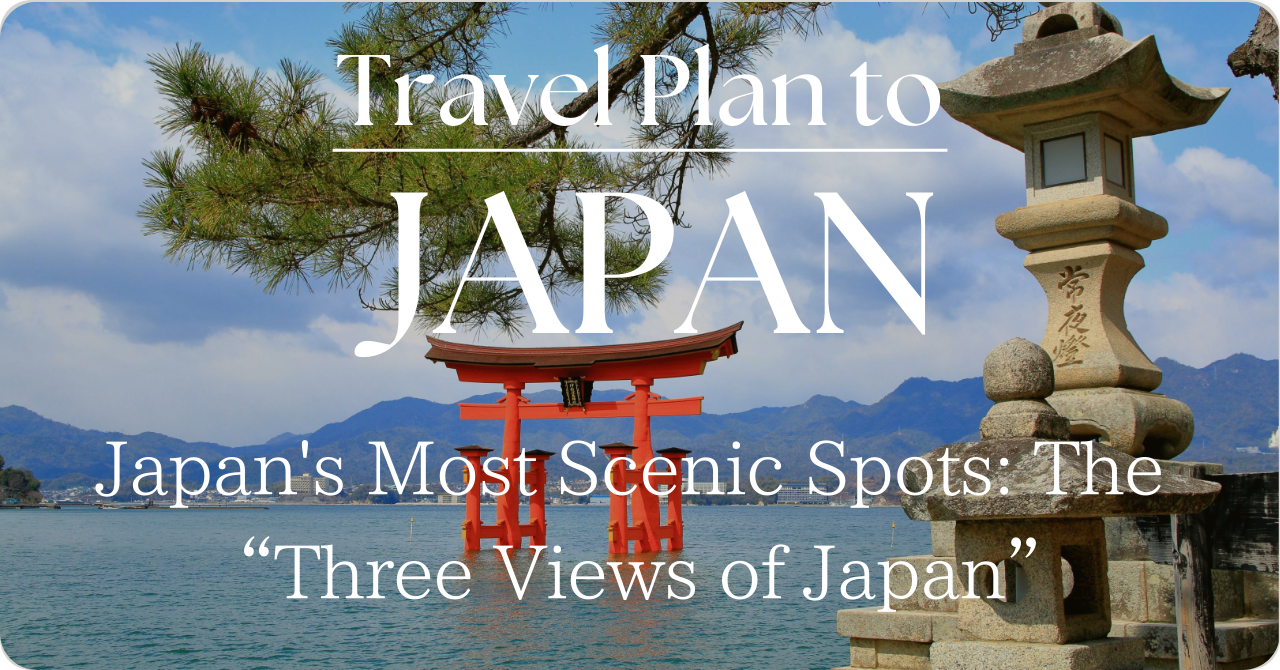
The “Three Views of Japan” (Nihon Sankei) refers to three of Japan’s most representative scenic spots. These are Matsushima (Miyagi Prefecture), Amanohashidate (Kyoto Prefecture), and Miyajima (Hiroshima Prefecture). These picturesque locations are renowned both within Japan and internationally, attracting many visitors.
The concept of the “Three Views of Japan” was proposed by Rin Shūsai in his work “Nihon Koku Jiseki Kō” (日本国事跡考) during the early Edo period.
“Nihon Koku Jiseki Kō” is a historical and geographical book about Japan. It compiles information on notable landmarks, historical sites, and significant events throughout the country, making it an important resource in the fields of geography and history during the Edo period.
In Japan, an island nation surrounded by various seas and the Pacific Ocean, even different parts of the same sea can have vastly different characteristics. Although the three views are located in distinct regions – Tohoku, Kinki, and Chugoku– the Pacific Ocean, the Sea of Japan, and the Seto Inland Sea each offer unique scenery and environmental features. Traveling to the Three Views of Japan is also a journey across these three seas.
From the natural wonders of Matsushima and Amanohashidate, to the blend of human-made art and nature on Miyajima, each location offers its own unique charm. Let’s embark on a journey to experience the beauty of Japan’s Three Views!
The Beautiful Islands of Matsushima (Miyagi Prefecture)
● Location: Matsushima Town, Miyagi Prefecture
● Features: Matsushima is a stunning bay dotted with around 260 islands of varying sizes. The islands are covered with pine trees, providing beautiful seasonal landscapes. Particularly stunning are the views at sunrise and sunset.
● Tourist Attractions:
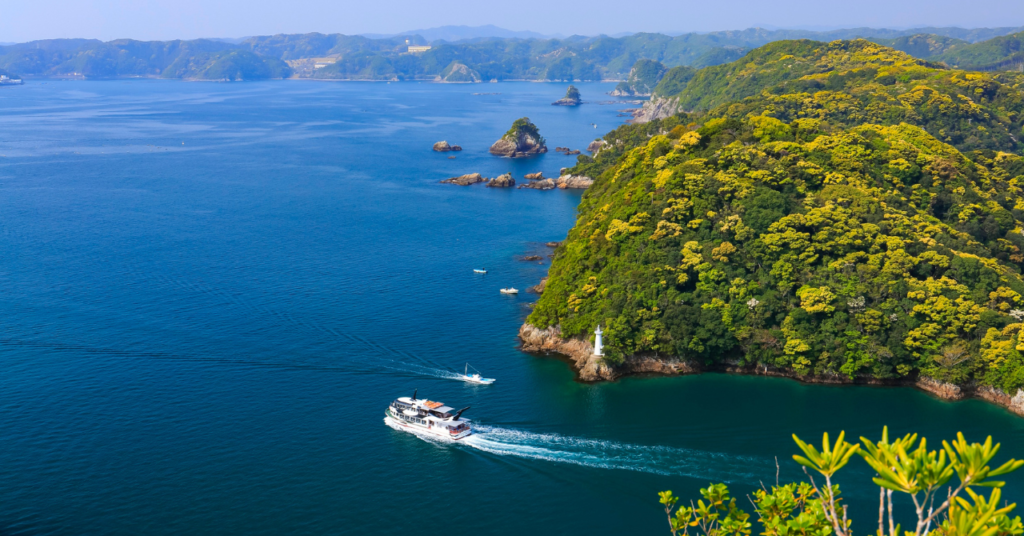
– Matsushima Bay: You can enjoy a boat tour to explore the many islands and take in the scenic beauty of Matsushima from the water.
– Godaido Temple: One of Matsushima’s landmarks, this historic building offers a great view of Matsushima Bay.
– Zuiganji Temple: A significant temple near Matsushima, known for its beautiful gardens and historical value.
● Matsushima Tourist Information Center: A convenient place for gathering information and getting tourist guidance when visiting Matsushima.
● Access: About 40 minutes by train from Sendai City, with easy access within walking distance from Matsushima Station. It is also relatively close to Sendai Airport.
Historic Connection to the Date Clan
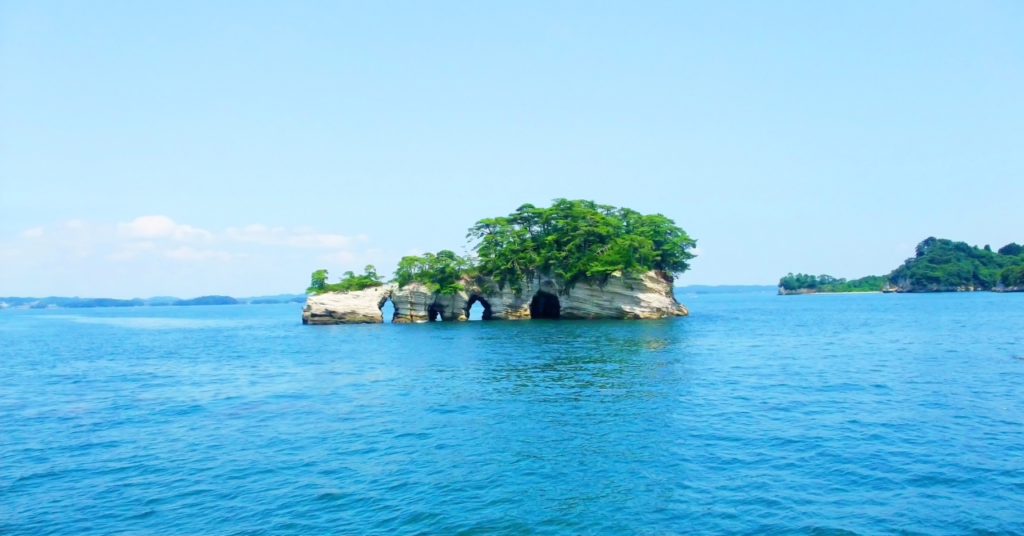
Matsushima is also famous for its association with the Date clan of Sendai. One of its main symbols is in fact the Zuiganji temple, which was built by them. This clan is known for preserving the cultural heritage of Matsushima. Additionally, Matsushima has been revered as a “sacred site” and was a coveted destination for medieval ascetics.
A must-visit spot in Matsushima is the sacred Oshima. Oshima is a small island extending about 200 meters north to south, accessible by walking across the Togetsukyo bridge. You can circle the island in about 30 minutes on foot from the center of the town. This island is famous because it offers interesting insights into why Matsushima became known as a sacred site, for example because it features many kahi, stone monuments inscribed with sacred poems. Many poets compared the beauty of Matsushima’s numerous islands to a paradise.
Indulge in Matsushima’s Rich Flavors
Matsushima’s culinary delights are highlighted by the renowned “Matsushima oysters” . Known for their smaller size and firmer texture compared to Hiroshima oysters, they are best enjoyed raw to appreciate their glossy, creamy-white meat. They are also delicious in dishes such as oyster rice, oyster hotpot, and tempura. The best time to enjoy them is from October to March, so consider visiting during this season. Be sure to try Matsushima’s famous oyster rice bowl!
In addition to oysters, Matsushima is known for other specialties like clams, sea eels, and flatfish. Local sake and Matsushima beer are also well-regarded.
Source: Nihonsankei
Matsushima Tourism Website: https://www.matsushima-kanko.com/en/
A Sandbar Like a Bridge (Kyoto Prefecture)
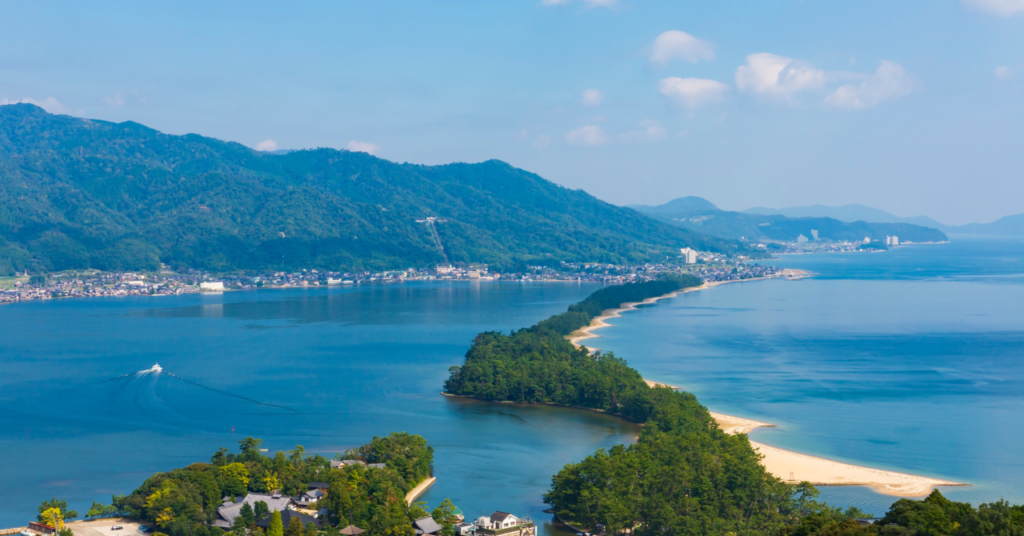
● Location: Miyazu City, Kyoto Prefecture
● Features: Amanohashidate is a long sandbar extending along the Sea of Japan, approximately 3.6 kilometers in length. T o fully enjoy it, visitors can appreciate the view from observation points, walk along the sandbar, ride bicycles or boats, and swim at the beach. Walking across Amanohashidate takes about 50 minutes, and biking takes around 20 minutes. This long, curious name derives from the fact that the sandbar, covered with dense pine trees, appears like a bridge. The scenic beauty of the sandbar crossing the sea is also referred to as Heavenly Bridge.
● Tourist Attractions:
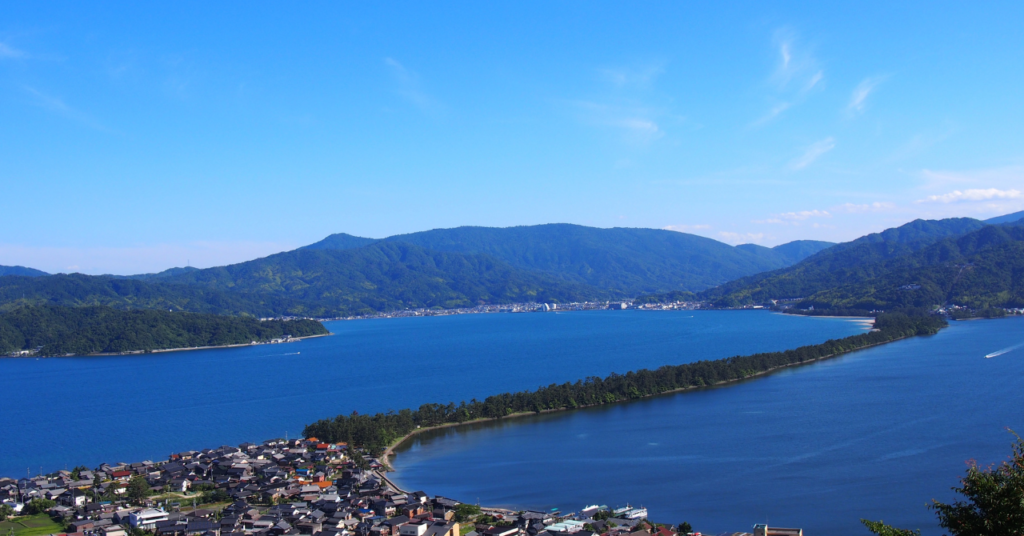
– Amanohashidate View Land: A popular spot where you can get a panoramic view of Amanohashidate from the observation deck.
– Kasamatsu Park: Located at the northern end of Amanohashidate, offering enjoyable views from the observation deck.
– Amanohashidate Shrine: Situated at the southern end of Amanohashidate, it is popular among visitors who come to enjoy the scenery.
● Access: It takes about 2 hours by train from Kyoto Station, and from Miyazu Station, you can use buses or bicycles to get there. There are also rental bike services around Amanohashidate, which are highly recommended exploring the area.
Amanohashidate is beautiful throughout the seasons, especially renowned for its autumn foliage and winter snow scenery. The sea around Amanohashidate also offers activities like snorkeling and canoeing.
Edo Period’s Dream Tourist Destination
During the Edo period, the famous ukiyo-e artist Hiroshige Utagawa’s depiction of Amanohashidate as one of Japan’s Three Scenic Views greatly increased its recognition. In the peaceful Edo period, improved roads and post towns led to a rise in visitors to temples and shrines, making Amanohashidate a coveted tourist destination. Historical travel diaries from that time show various routes to Amanohashidate, akin to modern backpackers choosing their preferred routes according to the spots they wanted to visit.
Poems about Amanohashidate from the Heian period also indicate that it was a place of admiration for the nobles of that time.
Amanohashidate has been mentioned in Japanese history for a long time. The name “Amanohashidate” means “Heaven’s Bridge:” According to mythology, the god Izanagi, who created Japan, built a ladder to connect the Sky (Takamagahara) and the Land. However, while Izanagi was asleep, the ladder fell, and this resulted in the current shape of Amanohashidate.
With its long history of legend and lore, Amanohashidate continues to captivate people today.
Fresh Seafood from Amanohashidate
Amanohashidate is renowned for its fresh seafood, especially crabs and shellfish. Local specialties include pickles such as Miyazu-zuke, and high-quality chirimen (dried small shrimps) from the Tango region are particularly popular around Amanohashidate. These local products can be purchased at souvenir shops and markets in the Amanohashidate area, so be sure to visit them!
Source: Nihonsankei
The shrine with the floating torii gate: Miyajima (Hiroshima Prefecture)
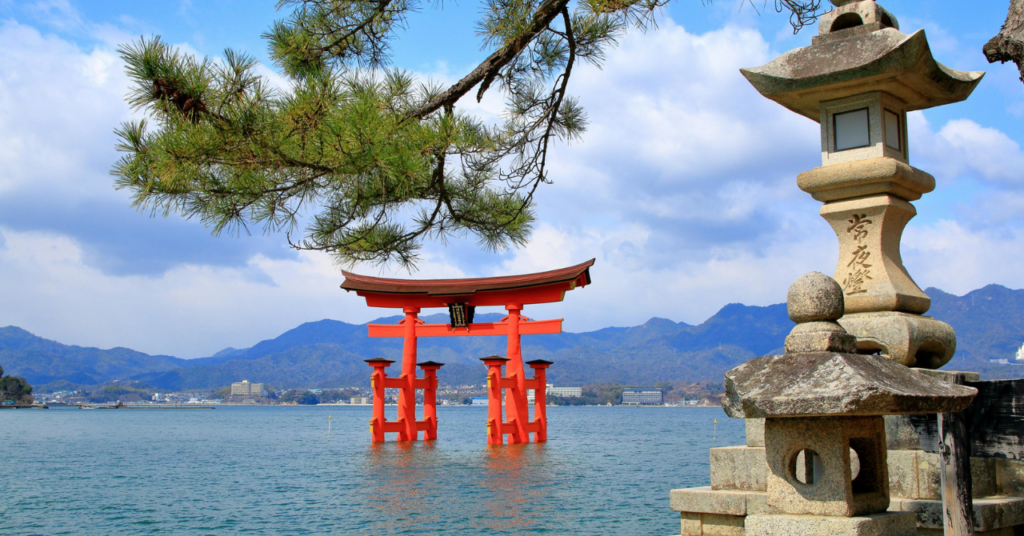
● Location: Hatsukaichi City, Hiroshima Prefecture
● Features: Miyajima, officially known as Itsukushima, is renowned for its iconic floating torii gate, which appears to float on the water during high tide. The island is celebrated for its stunning natural beauty and historic sites. Mount Misen, the island’s highest peak, offers panoramic views of the Seto Inland Sea and surrounding islands. The island is also known for its friendly deer, which roam freely among visitors.
● Tourist Attractions:– Itsukushima Shrine: Famous for its floating torii gate and beautiful buildings, this UNESCO World Heritage Site is a must-see.
– Mount Misen: Accessible via hiking trails or a cable car, it provides breathtaking views of the Seto Inland Sea.
– Daishouin T emple: A historic temple with impressive architecture and scenic surroundings.
● Access: Miyajima is accessible by ferry from Miyajima-guchi Station, which can be reached by train from Hiroshima Station. The ferry ride takes about 10 minutes.
Miyajima is known for its picturesque landscapes and cultural significance, making it a popular destination for both domestic and international tourists.
The Connection with Taira no Kiyomori That Began with a Dream
One of Miyajima’s most famous landmarks is definitely Itsukushima Shrine. The grand shinden-zukuri (palace-style) buildings you see today were constructed by Taira no Kiyomori, a prominent warrior who reached the peak of his power during the Heian period.
According to legend, Kiyomori had a dream in which a monk told him that if he built a shrine on Itsukushima, he would surely achieve great success. Following this prophetic dream, Kiyomori devotedly funded the construction of Itsukushima Shrine.
A visit to Miyajima would be incomplete without seeing it. The shrine is filled with national treasures and important cultural properties.
Eating Your Way Through Miyajima
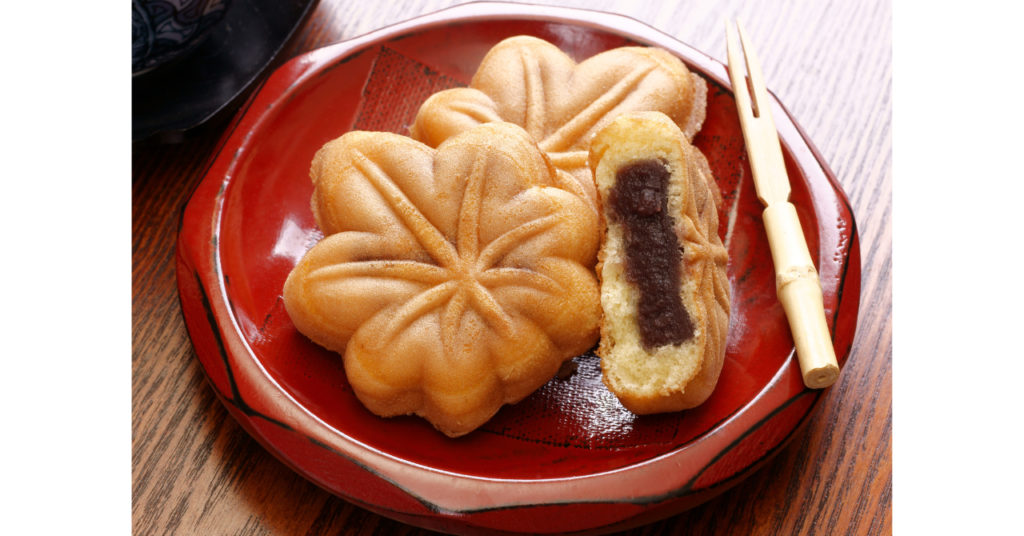
Miyajima also offers many delicious local specialties. The island’s oysters are famous for their rich flavor, so be sure to try the fresh oysters. A classic souvenir is momiji manju, a maple leaf-shaped cake filled with red bean paste or custard. Additionally, Miyajima sake, brewed locally, is praised for its quality and unique taste, so make sure to sample these specialties during your visit.
Source: Nihonsankei
In this article, we touched upon the unique characteristics and historical backgrounds of each of the “Three Views of Japan”.
Visiting these places will allow you to truly encounter Japan’s richhistory and savor delicious local foods. We highly recommend you visit them yourself duringyour journey!