Best Places to Visit in Hokkaido: 5 Scenic Spots
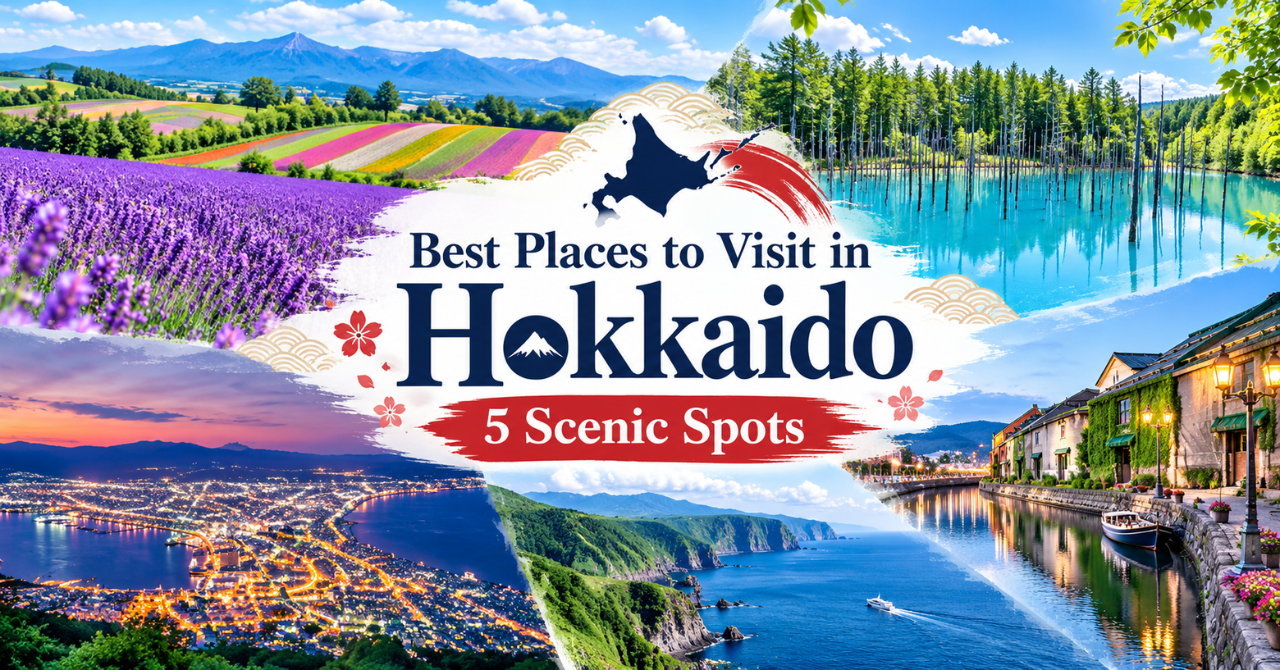
Hokkaido, Japan’s northernmost main island, is famous for wide-open landscapes, dramatic coastlines, colorful flower fields, volcanic scenery, and some of the most beautiful seasonal views in Japan.
However, Hokkaido is much larger than many first-time visitors expect. Attractions can be spread far apart, so choosing the right places and planning transportation in advance can make a big difference to your trip.
In this guide, we introduce five of the best places to visit in Hokkaido, from the mysterious blue waters of Biei to the dramatic cliffs of Cape Kamui and the volcanic scenery of Noboribetsu.
Important: Weather, flowering seasons, road conditions, and facility opening hours can change. Always check the latest official information before traveling.
Local Tip: Hokkaido looks compact on a Japan map, but distances between attractions can be surprisingly long. Build each day around one area instead of trying to connect several far-apart scenic spots.
- 5 Best Places to Visit in Hokkaido at a Glance
- Shirogane Blue Pond – Biei
- Hokuryu Sunflower Village – Hokuryu
- Biei Hills & Shikisai-no-Oka
- Cape Kamui – Shakotan Peninsula
- Noboribetsu Jigokudani – Noboribetsu
- Which Hokkaido Spot Should You Choose?
- Do You Need a Rental Car in Hokkaido?
- Best Time to Visit Hokkaido
- Practical Tips for Traveling Around Hokkaido
- Final Tips
5 Best Places to Visit in Hokkaido at a Glance
| Place | Area | Best For | Recommended Season |
|---|---|---|---|
| Shirogane Blue Pond | Biei | Mysterious blue scenery | Year-round |
| Hokuryu Sunflower Village | Hokuryu | Huge sunflower fields | Summer |
| Biei Hills & Shikisai-no-Oka | Biei | Rolling hills and flowers | Spring to autumn |
| Cape Kamui | Shakotan Peninsula | Coastal scenery | Late spring to autumn |
| Noboribetsu Jigokudani | Noboribetsu | Volcanic scenery and onsen | Year-round |
Shirogane Blue Pond – Biei
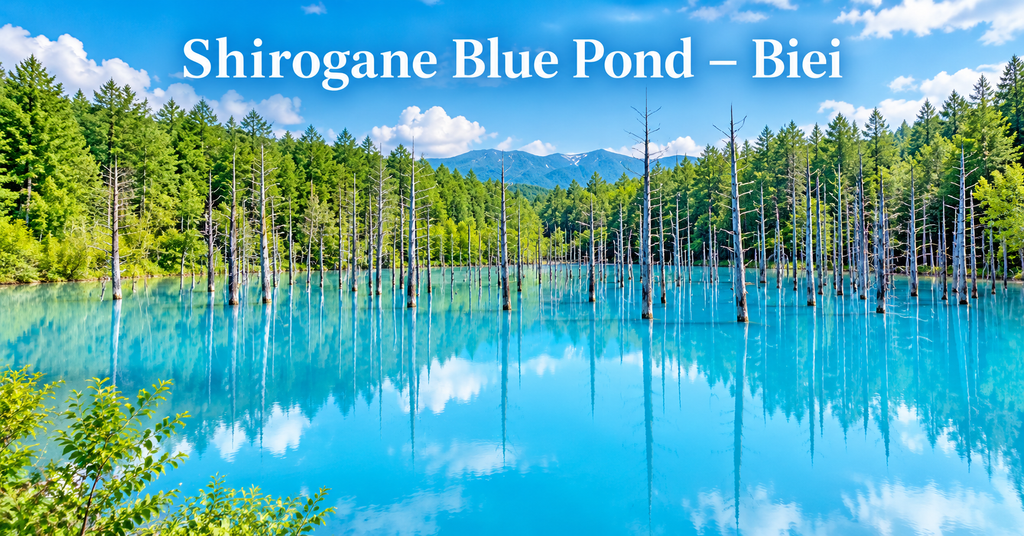
Shirogane Blue Pond is one of Biei’s most recognizable natural attractions.
The pond was accidentally created as a result of erosion-control work designed to protect the area from volcanic mudflows from Mt. Tokachi. Water containing minerals such as aluminum mixes with other water sources in the area, creating particles that scatter light and help produce the pond’s distinctive blue appearance.
Standing dead larch trees rise from the water, giving the pond an unusual and almost surreal atmosphere.
When Is the Best Time to Visit?
The pond can be visited throughout the year, but its appearance changes dramatically with the weather and season.
On bright days, the water can appear especially vivid, while autumn adds colorful foliage around the pond. In winter, snow creates a completely different landscape, and seasonal illumination may also be available.
Access and Travel Tips
Shirogane Blue Pond is located outside central Biei. It can be reached by car or local bus, although having a car makes it easier to combine the pond with other attractions in the Biei and Furano area.
Check the official Biei Tourism Association guide to Shirogane Blue Pond for current access, parking, and seasonal information.
Hokuryu Sunflower Village – Hokuryu
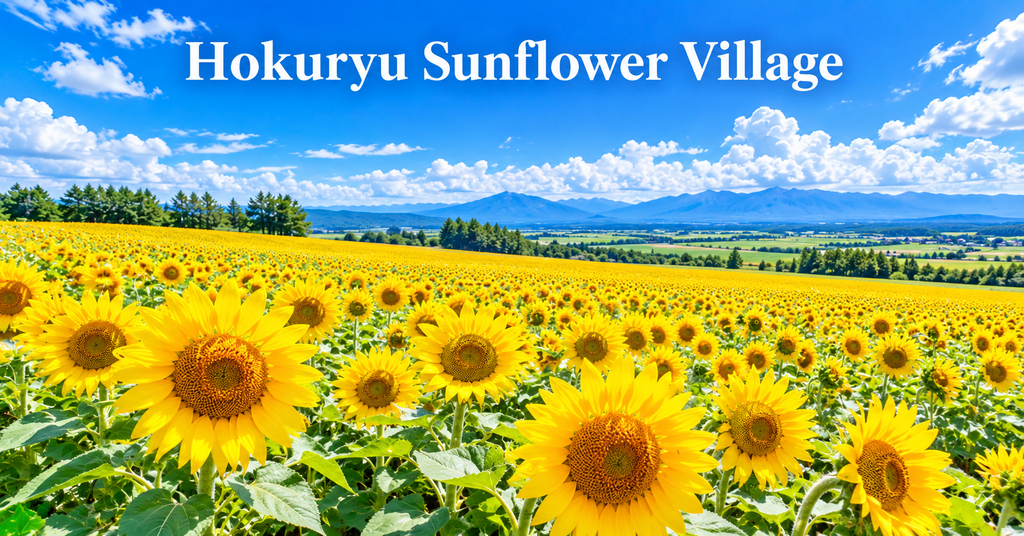
If you visit Hokkaido in summer, Hokuryu Sunflower Village, also known as Himawari no Sato, offers one of the island’s most colorful seasonal landscapes.
The vast fields cover approximately 23 hectares and feature around two million sunflowers during the summer season.
The sunflower project began after a local agricultural cooperative employee was inspired by sunflower fields seen during a training trip to the former Yugoslavia. Over the years, the fields have become one of Hokuryu’s best-known attractions.
When Is the Best Time to Visit?
The exact flowering period changes depending on weather conditions each year. In 2026, the official tourism information listed early August as the main full-bloom period.
If the sunflower fields are an important part of your Hokkaido trip, check the current flowering status shortly before traveling rather than relying only on a fixed date.
Access and Travel Tips
Hokuryu is in a rural part of Hokkaido, so traveling by car is usually one of the easiest options for international visitors who want to combine the sunflower fields with other destinations.
Check the official Hokuryu Town Sunflower Village website for the latest flowering status, event dates, and visitor information.
Biei Hills & Shikisai-no-Oka
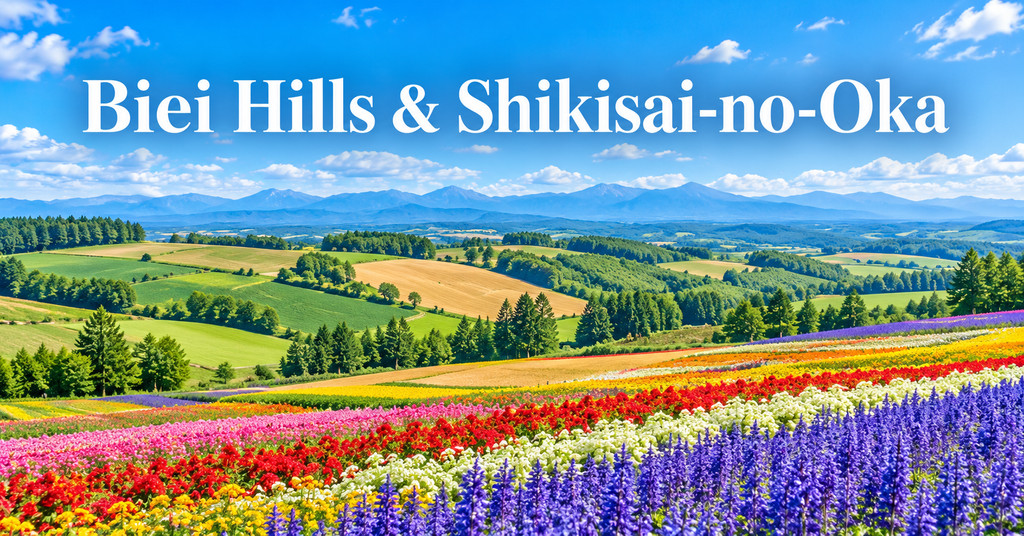
Biei is famous for its gentle rolling hills, farmland, distant mountains, and changing seasonal colors.
Driving or cycling through the countryside reveals broad fields of wheat, potatoes, and other crops, creating the patchwork scenery for which Biei is famous.
One popular stop is Shikisai-no-Oka, a panoramic flower garden covering approximately 15 hectares. Dozens of varieties of flowers and grasses create colorful landscapes from spring through autumn.
Respect the Farmland
One important point for international visitors is that many of Biei’s beautiful fields are not public parks. They are privately owned working farms.
Do not enter fields to take photographs, even if there is no visible fence. Visitors should enjoy and photograph the scenery from public roads and designated viewing areas.
Access and Travel Tips
Biei Station can be reached by train, but many scenic viewpoints are spread throughout the countryside. A rental car can make exploring the wider Biei and Furano area much easier.
If you plan to drive, see our rental car guide for Japan before your trip.
For current flower information, admission fees, and opening hours, check the official Shikisai-no-Oka website.
Cape Kamui – Shakotan Peninsula
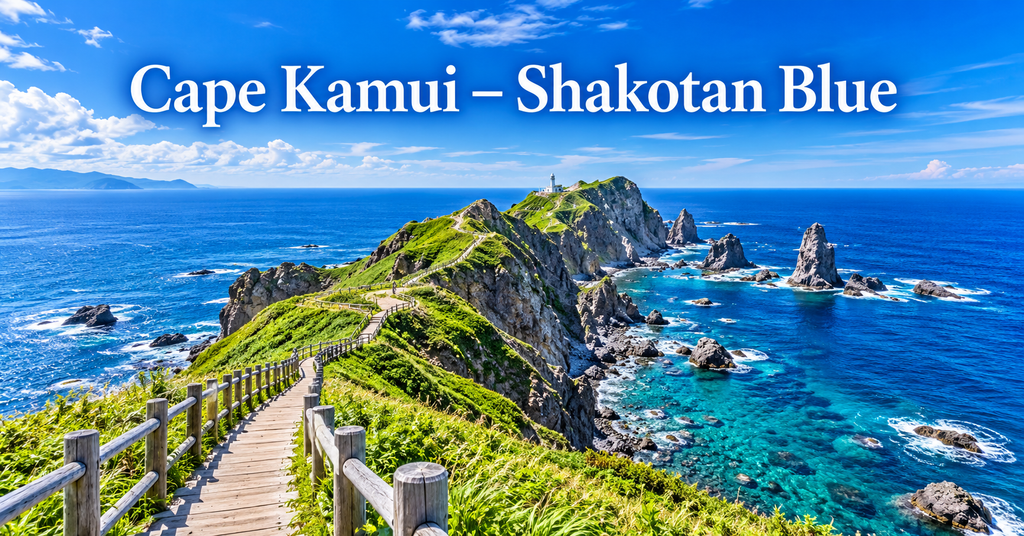
Cape Kamui is one of Hokkaido’s most impressive coastal viewpoints.
Located on the Shakotan Peninsula, the cape rises above the Sea of Japan and is famous for the vivid blue water often called Shakotan Blue.
A walking trail extends approximately 770 meters from the parking area toward the tip of the cape. The walk takes around 20 minutes one way for many visitors, depending on pace and conditions.
At the end, you can enjoy a wide panoramic view of the cliffs, sea, and surrounding coastline.
Travel Update: Cape Kamui Trail Closure (October 2026)
The walking trail from the Nyonin Kinsei Gate to the tip of Cape Kamui is closed for construction from October 5, 2026, through early April 2027 (scheduled).
During this period, visitors cannot walk to the cape’s tip. Park entrance hours also vary by season, and gates may close due to strong winds or bad weather.
Check the official Shakotan Town updates before visiting.
Weather Matters
Cape Kamui is exposed to strong coastal weather. Wind, rain, and seasonal conditions can affect the walking experience, so comfortable shoes and appropriate clothing are important.
The appearance of Shakotan Blue also depends on sunlight and weather, with clear days generally providing the most vivid colors.
Access and Travel Tips
Cape Kamui is easier to reach by car than by public transportation. According to Hokkaido’s official tourism information, it is approximately 90 minutes by car from Otaru Station.
Check the official Hokkaido tourism guide to Cape Kamui before traveling.
Noboribetsu Jigokudani – Noboribetsu
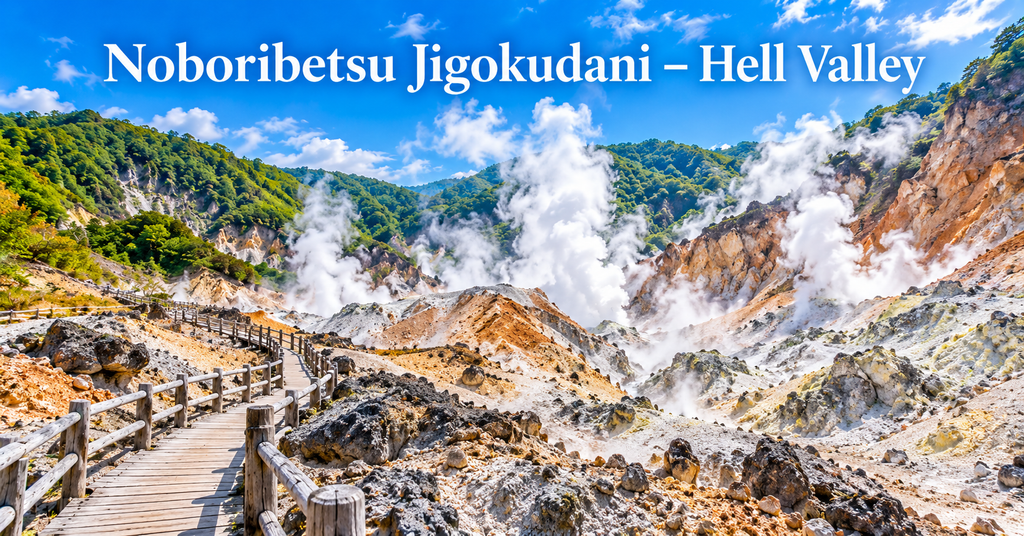
Noboribetsu Jigokudani, or Hell Valley, offers a completely different side of Hokkaido.
The volcanic crater is filled with steam vents, hot spring sources, sulfurous landscapes, and rugged rock formations. It is also one of the main sources of hot spring water for nearby Noboribetsu Onsen.
Walking paths allow visitors to explore the geothermal landscape while seeing steam rising from the ground and mineral-colored rock surfaces.
Combine Jigokudani with an Onsen Stay
Noboribetsu is one of Hokkaido’s best-known hot spring areas, making it easy to combine sightseeing at Jigokudani with an overnight stay at a ryokan or hot spring hotel.
If you want to explore more famous hot spring destinations around Japan, see our guide to the best hot springs in Japan.
Access and Travel Tips
Noboribetsu Onsen can be reached by public transportation, so a rental car is not essential. However, driving can be useful if you are combining Noboribetsu with Lake Toya or other destinations in central Hokkaido.
Check the official Hokkaido tourism guide to Noboribetsu Jigokudani for the latest visitor and access information.
Which Hokkaido Spot Should You Choose?
| If You Want… | Best Choice |
|---|---|
| A mysterious landscape | Shirogane Blue Pond |
| Summer flower scenery | Hokuryu Sunflower Village |
| Classic Hokkaido countryside | Biei Hills & Shikisai-no-Oka |
| Dramatic ocean views | Cape Kamui |
| Volcanic scenery and hot springs | Noboribetsu Jigokudani |
If this is your first visit to Hokkaido, you do not need to visit all five places in one trip. The destinations are spread across a very large area, so choose attractions that fit naturally into your route.
Do You Need a Rental Car in Hokkaido?
A rental car can be extremely useful in Hokkaido because many scenic areas are far from major train stations.
Places such as Biei, Hokuryu, and the Shakotan Peninsula are generally easier to explore by car, especially if you want to visit several attractions in one day.
However, driving conditions can become difficult in winter because of snow and ice. Travelers without experience driving in winter conditions should carefully consider whether public transportation is a safer option.
Before renting a car, read our complete guide to renting and driving a car in Japan.
Best Time to Visit Hokkaido
Spring
Spring arrives later in Hokkaido than in many parts of Japan. Snow can remain in mountain areas while lower elevations gradually become greener.
Summer
Summer is ideal for flower fields, countryside scenery, coastal drives, and outdoor sightseeing. It is also the main season for Hokuryu’s sunflowers.
Autumn
Autumn brings colorful foliage to mountains, forests, and volcanic areas. Temperatures can fall quickly, especially in northern and higher-altitude areas.
Winter
Hokkaido becomes a major snow destination in winter, but transportation and driving require more planning. Heavy snow, icy roads, and changing weather can affect travel times.
Practical Tips for Traveling Around Hokkaido
- Do not underestimate distances. Attractions that look close on a map may require several hours of travel.
- Check seasonal conditions. Flowering periods, snow, road closures, and walking trails can change.
- Dress for changing weather. Temperatures can differ significantly between cities, mountains, and coastal areas.
- Respect private farmland. Never enter Biei’s agricultural fields without permission.
- Plan fuel and rest stops. Rural Hokkaido can have long distances between services.
- Allow extra time. Scenic roads, weather, and seasonal traffic may slow down your itinerary.
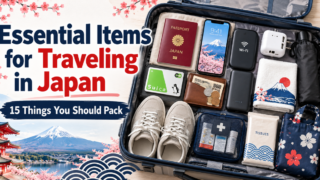
For general trip preparation, see our guide to useful items for traveling in Japan.
Final Tips
Hokkaido’s greatest attraction is its variety. Within one island, you can experience brilliant flower fields, rolling farmland, blue coastal waters, mysterious ponds, volcanic valleys, and famous hot springs.
The key is not trying to see everything at once. Choose one or two regions, allow enough travel time, and plan around the season you are visiting.
For official destination ideas and the latest regional information, visit the Hokkaido Official Tourism Site before finalizing your itinerary.