Must-Visit Cities in Japan: 5 Cities for First-Time Travelers
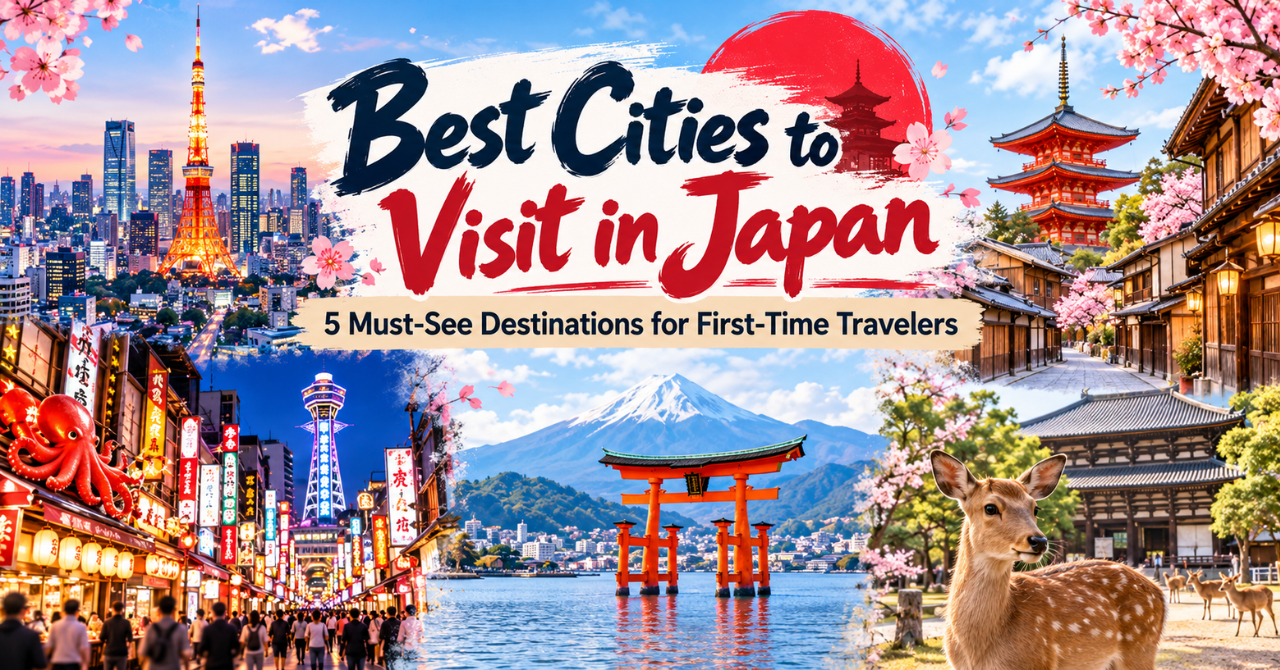
Choosing the best cities to visit in Japan can be difficult when you are planning your first trip.
Tokyo, Kyoto, Osaka, Hiroshima, and Nara all offer very different experiences. One city is filled with neon streets and modern attractions, while another is known for temples, traditional neighborhoods, local food, or important historical sites.
The good news is that you do not need to visit every famous city in Japan on your first trip.
For most first-time travelers, the best approach is to choose a few destinations that match your interests and connect them into a simple route.
In this guide, we compare five of the best cities to visit in Japan for first-time travelers, including what each destination is best for, how long to stay, what to see, and how to combine them into a realistic itinerary.
If this is your first visit to the country, you may also want to read our guide to 20 essential things to know before visiting Japan.
From a Local Perspective: A first trip to Japan is usually more enjoyable when you choose fewer cities and give each one enough time. Tokyo, Kyoto, and Osaka alone can easily fill a full itinerary, with Nara or Hiroshima added depending on your interests.
- Quick Answer: Best Cities to Visit in Japan
- Tokyo – Best for First-Time Visitors
- Kyoto – Best for Traditional Japan
- Osaka – Best for Food and Nightlife
- Hiroshima – Best for History and Miyajima
- Nara – Best for Temples and an Easy Day Trip
- Which Cities Should You Visit on Your First Trip to Japan?
- Tokyo vs Kyoto vs Osaka: Which Is Best for You?
- How to Travel Between These Cities
- Common Mistakes When Choosing Cities in Japan
- Best Cities to Visit in Japan FAQ
- What Is the Best City to Visit First in Japan?
- Is Tokyo or Kyoto Better for First-Time Visitors?
- Is Osaka Worth Visiting If I Am Already Visiting Tokyo?
- Is Nara Worth Visiting on a First Trip to Japan?
- Is Hiroshima Worth Adding to a First Japan Trip?
- How Many Cities Should I Visit in Japan in 10 Days?
- Do I Need the Japan Rail Pass for These Cities?
- Final Tips: Choosing the Best Cities for Your Japan Trip
Quick Answer: Best Cities to Visit in Japan
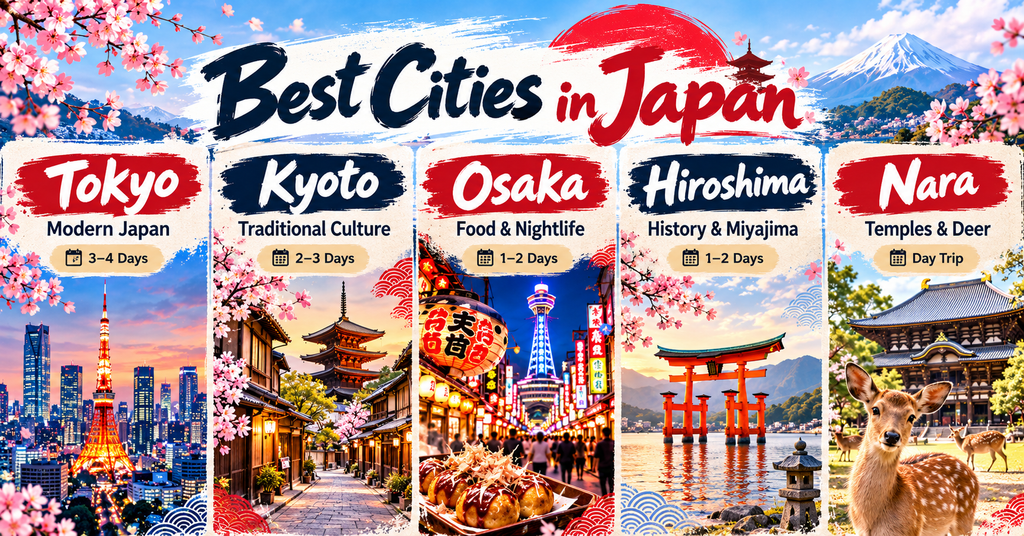
If you are planning your first trip, these five destinations give you a good mix of modern Japan, traditional culture, food, history, and famous sightseeing experiences.
| City | Best For | Suggested Stay |
|---|---|---|
| Tokyo | Modern Japan, shopping, food & city life | 3–4 days |
| Kyoto | Temples, traditional culture & historic streets | 2–3 days |
| Osaka | Food, nightlife & entertainment | 1–2 days |
| Hiroshima | History, peace memorials & Miyajima | 1–2 days |
| Nara | Ancient temples, deer & an easy day trip | Day trip–1 day |
Our recommendation for most first-time visitors: Start with Tokyo, Kyoto, and Osaka. If you have around 10 days, add Nara as a day trip. If you have closer to two weeks, consider adding Hiroshima and Miyajima.
We also have a complete 10 day Japan itinerary for first-time visitors that connects Tokyo, Kyoto, Nara, and Osaka without changing hotels every day.
Tokyo – Best for First-Time Visitors
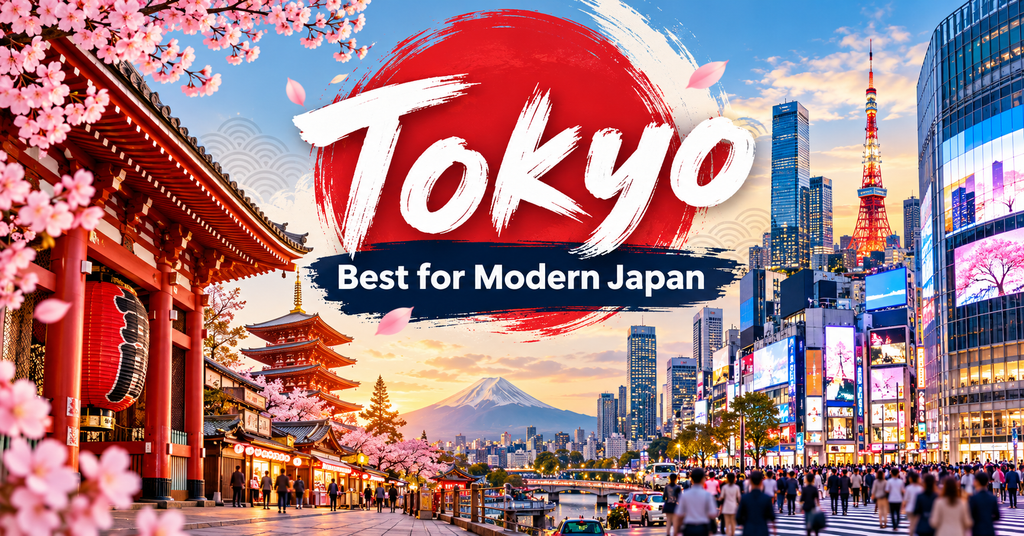
Best for: Modern city life, shopping, food, pop culture, nightlife, and first-time visitors who want variety.
Suggested stay: 3–4 days
Tokyo is often the easiest place to begin a first trip to Japan.
Japan’s capital combines modern city districts, traditional neighborhoods, major shopping areas, temples, museums, restaurants, and entertainment on an enormous scale.
You can spend the morning walking around a historic area such as Asakusa and then finish the day surrounded by giant screens and neon lights in Shibuya or Shinjuku.
That contrast is one of the reasons Tokyo works so well as a first introduction to Japan.
Why Visit Tokyo?
Tokyo is especially useful for travelers who want to experience several different sides of Japan without changing cities.
Different neighborhoods can feel almost like separate destinations.
- Shibuya: Famous for its busy crossing, shopping, restaurants, and modern city atmosphere.
- Asakusa: A more traditional area centered around Senso-ji Temple and Nakamise shopping street.
- Shinjuku: Skyscrapers, shopping, restaurants, nightlife, and one of Japan’s busiest transportation hubs.
- Harajuku & Omotesando: Fashion, youth culture, cafes, shopping, and nearby Meiji Jingu.
- Akihabara: Anime, manga, video games, electronics, and otaku culture.
Tokyo is also one of the best destinations in Japan for food because you can find almost every major style of Japanese cuisine somewhere in the city.
Top Experiences in Tokyo
For a first visit, you do not need to see everything.
A good Tokyo itinerary might include:
- Shibuya Crossing and the surrounding Shibuya area
- Senso-ji Temple and Asakusa
- Meiji Jingu and Harajuku
- Shinjuku in the evening
- Akihabara for anime, gaming, and electronics
- Tokyo Station, Ginza, or Tsukiji Outer Market
How Long Should You Stay in Tokyo?
For most first-time visitors, three to four full days is a good starting point.
Tokyo is enormous, so trying to see every famous neighborhood in one or two days usually means spending too much time moving around.
Grouping nearby areas together makes sightseeing much easier.
If you have extra time, Tokyo is also a convenient base for day trips to destinations such as Kamakura, Yokohama, Nikko, or areas around Mount Fuji.
Who Is Tokyo Best For?
Tokyo is particularly good for travelers interested in:
- Big-city experiences
- Japanese food
- Shopping
- Anime and pop culture
- Nightlife
- Modern architecture and technology
- A mix of traditional and contemporary Japan
If you fly into Narita or Haneda Airport, check our guide to getting from Narita or Haneda Airport to Tokyo before your arrival.
For official destination information, visit the JNTO Tokyo travel guide.
Kyoto – Best for Traditional Japan
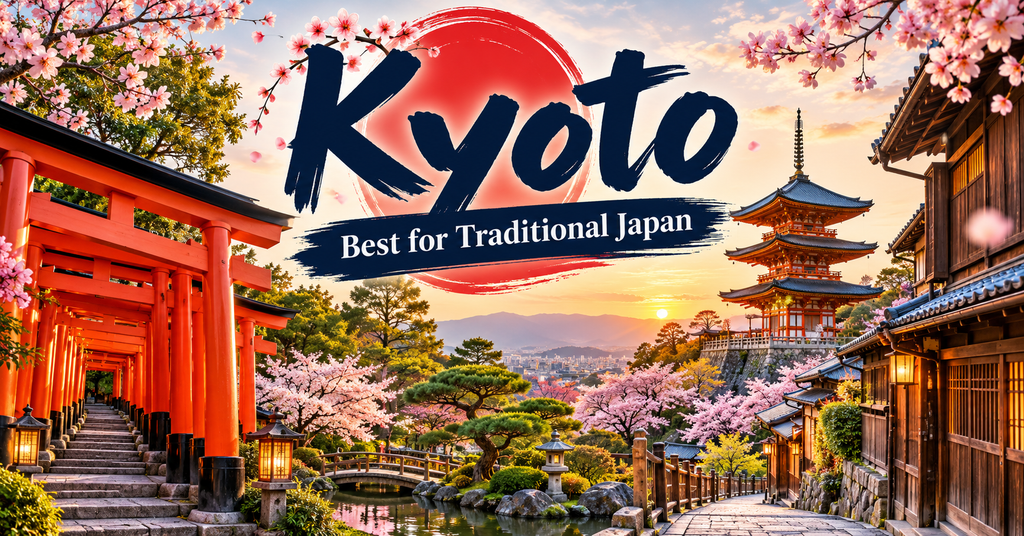
Best for: Temples, shrines, traditional streets, gardens, history, and Japanese culture.
Suggested stay: 2–3 days
If Tokyo represents the fast-moving, modern side of Japan, Kyoto offers a very different experience.
Kyoto was Japan’s imperial capital for more than 1,000 years and remains one of the country’s most important destinations for temples, shrines, traditional architecture, gardens, and cultural experiences.
For many international visitors, Kyoto is the city that most closely matches the image of traditional Japan they imagined before their trip.
Why Visit Kyoto?
Kyoto’s biggest attraction is its concentration of historic and cultural sites.
You can walk through streets lined with traditional buildings, visit famous temples and shrines, explore landscaped gardens, and experience neighborhoods that feel very different from modern Tokyo.
However, popular areas can become very crowded, so visiting early in the morning and avoiding an overly packed itinerary can make the experience much more enjoyable.
Top Experiences in Kyoto
For a first trip, consider focusing on several of Kyoto’s most recognizable areas:
- Fushimi Inari Taisha: Famous for its long paths lined with red torii gates.
- Kiyomizu-dera & Higashiyama: One of Kyoto’s classic temple and historic-street areas.
- Gion: A traditional district known for machiya townhouses and Kyoto’s geiko and maiko culture.
- Arashiyama: Known for its bamboo area, temples, river scenery, and surrounding nature.
- Kinkaku-ji: The famous Golden Pavilion and one of Kyoto’s most recognizable sights.
How Long Should You Stay in Kyoto?
Two to three days works well for most first-time visitors.
Kyoto’s attractions are spread across several parts of the city, and traveling between them can take longer than the map suggests.
Instead of trying to visit every famous temple, choose a few areas each day.
For example, you could spend one day around Higashiyama and Gion, another around Arashiyama and Kinkaku-ji, and use another morning for Fushimi Inari.
Who Is Kyoto Best For?
Kyoto should be high on your list if you are interested in:
- Japanese history
- Temples and shrines
- Traditional architecture
- Gardens
- Tea and traditional food culture
- Photography
- Quiet walks through historic neighborhoods
Kyoto is connected to Tokyo by the Tokaido Shinkansen, making it a natural second major stop after Tokyo.
If you are not sure how to buy bullet train tickets, read our guide to buying Shinkansen tickets in Japan.
For official destination information and current sightseeing guidance, visit the JNTO Kyoto travel guide.
Osaka – Best for Food and Nightlife

Best for: Food, nightlife, entertainment, shopping, and a lively atmosphere.
Suggested stay: 1–2 days
Osaka feels noticeably different from both Tokyo and Kyoto.
The city is known for its energetic atmosphere, casual food culture, bright nightlife districts, shopping streets, and entertainment.
It also works extremely well in a first-time Japan itinerary because it is close to Kyoto and Nara.
Why Visit Osaka?
Food is one of the biggest reasons to visit Osaka.
Local favorites include takoyaki and okonomiyaki, and areas such as Dotonbori make it easy to combine eating, sightseeing, and nightlife in one place.
Osaka can also feel more relaxed and casual than Tokyo, making it a fun place to finish the Kansai portion of a trip.
Top Experiences in Osaka
- Dotonbori: Neon signs, restaurants, street food, and one of Osaka’s most recognizable nighttime areas.
- Osaka Castle: One of the city’s best-known historical landmarks and a large park area.
- Shinsekai: A colorful retro neighborhood around Tsutenkaku.
- Namba & Shinsaibashi: Major shopping, dining, and entertainment areas.
- Kuromon Ichiba Market: A popular food market in central Osaka.
If Universal Studios Japan is one of your priorities, consider giving it a separate full day rather than trying to combine it with central Osaka sightseeing.
How Long Should You Stay in Osaka?
One full day is enough to see several central highlights, but two days gives you more time for food, shopping, nightlife, or a major attraction.
Osaka can also work as a base for exploring nearby destinations.
Kyoto, Nara, and Kobe are all accessible from the Osaka area by train, although many first-time travelers prefer to stay in Kyoto for part of the trip so they can experience the city early in the morning and after day-trippers leave.
Who Is Osaka Best For?
Osaka is a strong choice for travelers who enjoy:
- Japanese street food and casual dining
- Nightlife
- Shopping
- Theme parks
- Lively entertainment districts
- A more relaxed big-city atmosphere
For official destination information, visit the JNTO Osaka travel guide.
Hiroshima – Best for History and Miyajima
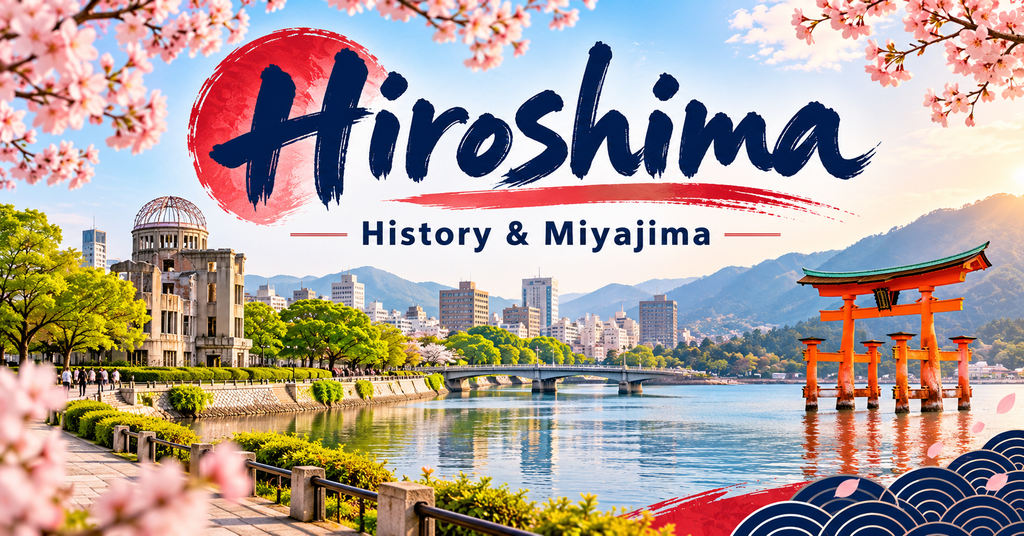
Best for: Modern history, peace-related sites, Miyajima, and travelers extending their route beyond Kansai.
Suggested stay: 1–2 days
Hiroshima offers an experience that is very different from Tokyo, Kyoto, or Osaka.
The city’s Peace Memorial Park and related sites provide an important opportunity to learn about the atomic bombing of Hiroshima and its human impact.
Hiroshima is also a popular base for visiting Miyajima, home to Itsukushima Shrine and its famous torii gate by the sea.
Why Visit Hiroshima?
Many travelers visit Hiroshima for two major reasons:
- To visit Hiroshima Peace Memorial Park and related historical sites
- To take a trip to Miyajima
Combining the city and the island creates a trip that includes both serious modern history and one of Japan’s best-known shrine landscapes.
Top Experiences in Hiroshima
- Hiroshima Peace Memorial Park: The central area containing memorials and museums related to the atomic bombing.
- Atomic Bomb Dome: One of Hiroshima’s most important historical landmarks.
- Hiroshima Peace Memorial Museum: A museum documenting the bombing and its consequences.
- Miyajima: An island easily combined with Hiroshima sightseeing.
- Itsukushima Shrine: Famous for its seaside setting and torii gate.
Hiroshima also has its own style of okonomiyaki, typically prepared in layers and often including noodles.
How Long Should You Stay in Hiroshima?
If you only want to visit central Hiroshima, one day may be enough.
However, two days is more comfortable if you also want to explore Miyajima without rushing.
For example:
- Day 1: Hiroshima Peace Memorial Park, museum, Atomic Bomb Dome, and central Hiroshima
- Day 2: Miyajima and Itsukushima Shrine
Who Is Hiroshima Best For?
Consider adding Hiroshima if you:
- Have around two weeks in Japan
- Are interested in modern history
- Want to visit Miyajima
- Want to travel farther west than Osaka and Kyoto
- Prefer a route with more variety than only major metropolitan areas
Hiroshima is connected with Kyoto and Osaka by the Sanyo Shinkansen, so it fits naturally after traveling through the Kansai region.
For official destination information, see the JNTO Hiroshima travel guide.
Nara – Best for Temples and an Easy Day Trip
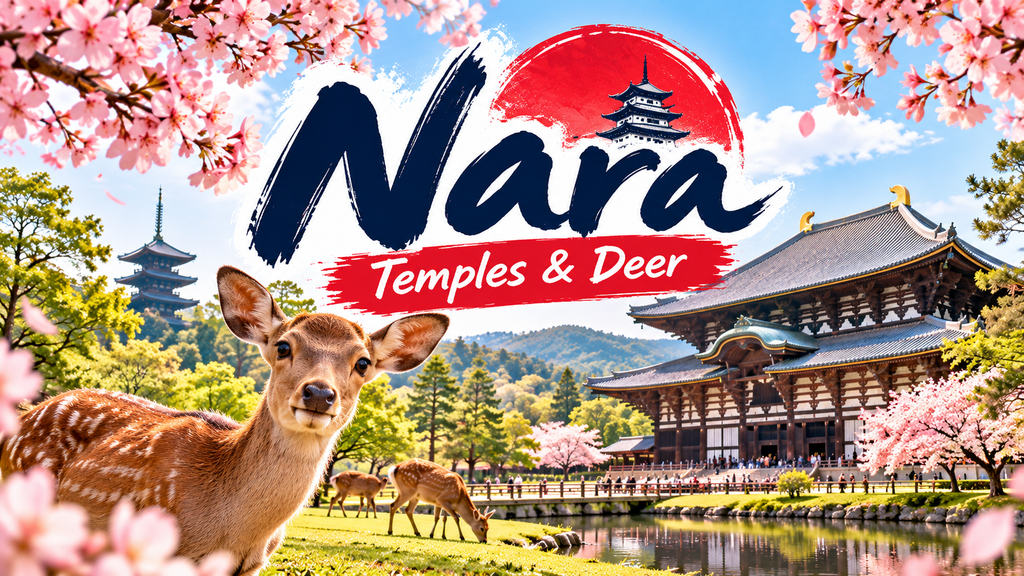
Best for: Ancient temples, deer, Japanese history, and an easy day trip from Kyoto or Osaka.
Suggested stay: Day trip–1 day
Nara is one of the easiest additional destinations to include in a first trip to Japan.
It is located close to both Kyoto and Osaka, which means you usually do not need to change hotels just to visit.
Nara is best known for Nara Park, its free-roaming deer, and major historical sites such as Todaiji and Kasuga Taisha.
Why Visit Nara?
Nara offers a quieter and more compact sightseeing experience than Tokyo, Kyoto, or Osaka.
Several major attractions are concentrated around the Nara Park area, making it practical for a day trip.
The combination of ancient religious sites, parkland, walking routes, and deer gives Nara a character that feels distinct from nearby Kyoto.
Top Experiences in Nara
- Nara Park: The city’s famous park area where deer roam freely.
- Todaiji: One of Nara’s most important Buddhist temples and home to its famous Great Buddha.
- Kasuga Taisha: A historic Shinto shrine known for its many lanterns.
- Kofukuji: A major temple close to central Nara.
- Naramachi: A traditional neighborhood where you can explore older streets, shops, and cafes.
A Quick Note About Nara’s Deer
The deer are one of Nara’s most famous attractions, but remember that they are still wild animals.
If you buy the special deer crackers sold around the park, keep them away until you are ready to feed the deer and follow any local signs or instructions.
Do not feed them unrelated human food.
Should You Stay Overnight in Nara?
Most first-time visitors can see the main Nara Park area on a day trip from Kyoto or Osaka.
An overnight stay can be worthwhile if you want a slower experience, but it is not essential for a typical first itinerary.
Who Is Nara Best For?
Nara is a good choice if you are interested in:
- Ancient Japanese history
- Temples and shrines
- Walking and outdoor sightseeing
- Photography
- A relaxed day away from larger cities
For official destination information, visit the JNTO Nara travel guide.
Which Cities Should You Visit on Your First Trip to Japan?
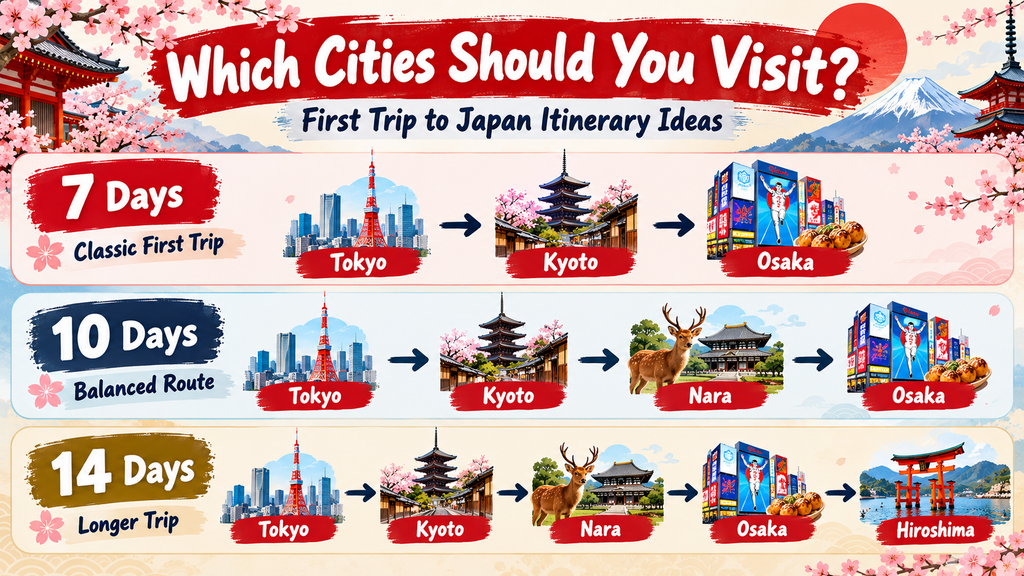
The right number of cities depends more on the length of your trip than on how many famous places you want to see.
Moving hotels takes time, so visiting fewer destinations often creates a better first trip.
If You Have 7 Days
A simple route is:
Tokyo → Kyoto → Osaka
You could spend roughly:
- Tokyo: 3 days
- Kyoto: 2–3 days
- Osaka: 1–2 days
With only one week, adding Hiroshima as well can make the trip feel rushed.
If You Have 10 Days
A great first-time route is:
Tokyo → Kyoto → Nara → Osaka
Nara works especially well as a day trip or as a stop between Kyoto and Osaka.
Our complete 10 day Japan itinerary uses this route and explains how to organize each day.
If You Have 14 Days
With around two weeks, you have more room to add Hiroshima:
Tokyo → Kyoto → Nara → Osaka → Hiroshima & Miyajima
You can also use the extra days for slower sightseeing or a day trip instead of adding another overnight stop.
Travel Tip: Do not judge an itinerary only by how many cities it includes. A trip with fewer hotel changes often gives you more time to actually enjoy each destination.
Tokyo vs Kyoto vs Osaka: Which Is Best for You?
If you are deciding between Japan’s three most popular major-city stops, think about the type of experience you want.
| If You Want… | Choose |
|---|---|
| Modern Japan and huge city energy | Tokyo |
| Temples and traditional culture | Kyoto |
| Food and nightlife | Osaka |
| Anime, shopping, and pop culture | Tokyo |
| Historic streets and photography | Kyoto |
| Casual eating and entertainment | Osaka |
For most first-time travelers with enough time, the answer is not to choose only one.
Tokyo + Kyoto + Osaka work extremely well together because each city shows a different side of Japan.
How to Travel Between These Cities
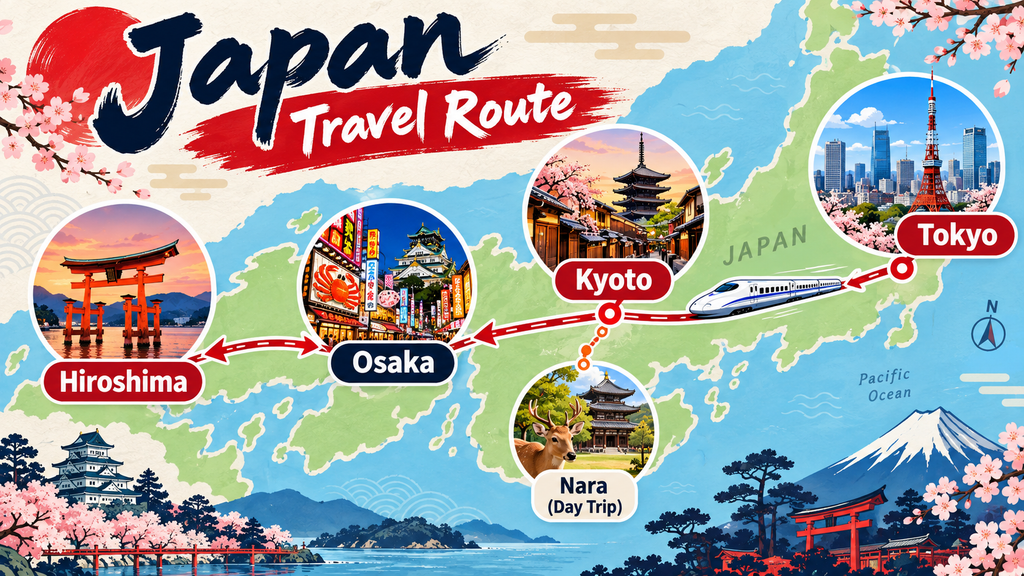
Japan’s railway network makes it relatively easy to combine these destinations.
Tokyo to Kyoto
The Shinkansen is the standard choice for many travelers moving between Tokyo and Kyoto.
Kyoto is located directly on the Tokaido Shinkansen route, so you can travel between the two cities without flying.
Kyoto to Osaka
Kyoto and Osaka are close enough that you do not need the Shinkansen for every journey.
JR and private railway services connect the cities, and the best option depends on where your accommodation is located.
Kyoto or Osaka to Nara
Nara is accessible by train from both cities and is commonly visited as a day trip.
JR and Kintetsu services both operate routes into Nara.
Osaka or Kyoto to Hiroshima
The Sanyo Shinkansen makes Hiroshima a practical addition after visiting the Kansai region.
If you are traveling between several major cities, reserve long-distance trains when appropriate and avoid assuming that an IC card alone covers every Shinkansen journey.
Read our Shinkansen ticket guide before booking your intercity trains.
Use an IC Card for Local Transportation
For local trains, subways, and many buses, an IC card can make everyday transportation much easier.
Instead of buying a paper ticket for every local journey, you can usually tap your card at compatible ticket gates.
Our IC cards in Japan guide explains how Suica, PASMO, ICOCA, and other major transportation IC cards work.
Learn the Train Basics Before You Go
If Japan’s railway system looks confusing, do not worry.
You do not need to memorize every train line.
Learning how to check the line name, direction, platform, train type, transfer station, and exit will make transportation much easier.
See our beginner’s guide to using trains in Japan for a complete step-by-step explanation.
Navigation apps are also extremely useful when moving between and within these cities. Check our guide to the best Japan travel apps for first-time visitors.
Common Mistakes When Choosing Cities in Japan
Trying to Visit Too Many Cities
One of the easiest mistakes to make is adding a new city almost every day.
Checking out, carrying luggage, traveling to another city, finding your new hotel, and checking in again can take a significant part of the day.
For a first trip, staying several nights in your main bases usually creates a more comfortable itinerary.
Treating Tokyo as a One-Day Destination
Tokyo is not one compact sightseeing district.
Major areas are spread across a huge metropolitan area, so give yourself enough time to experience several neighborhoods.
Trying to See Every Temple in Kyoto
Kyoto has far more temples and shrines than you can realistically visit on a short trip.
Choose the places that interest you most and leave enough time to walk around the surrounding neighborhoods.
Changing Hotels for a Nara Day Trip
For most first-time itineraries, you do not need a separate hotel in Nara.
Visiting from Kyoto or Osaka is usually much simpler.
Adding Hiroshima Without Enough Time
Hiroshima is a worthwhile destination, but it is farther from the Tokyo–Kyoto–Osaka core route.
If your trip is short, save Hiroshima for a longer itinerary rather than rushing through every city.
Best Cities to Visit in Japan FAQ
What Is the Best City to Visit First in Japan?
Tokyo is the most practical starting point for many first-time travelers, especially if their international flight arrives at Narita or Haneda Airport.
It also offers a broad mix of modern attractions, traditional neighborhoods, shopping, food, and entertainment.
Is Tokyo or Kyoto Better for First-Time Visitors?
They offer very different experiences, which is why we recommend visiting both if your schedule allows.
Tokyo is better for modern city life, shopping, food, and pop culture, while Kyoto is stronger for temples, traditional neighborhoods, and historic atmosphere.
Is Osaka Worth Visiting If I Am Already Visiting Tokyo?
Yes, especially if food and nightlife are important to you.
Although both are large cities, Osaka has a different atmosphere and is conveniently located near Kyoto and Nara.
Is Nara Worth Visiting on a First Trip to Japan?
Yes. Nara is particularly easy to add if you are already visiting Kyoto or Osaka.
The main sightseeing area around Nara Park can fit comfortably into a day trip.
Is Hiroshima Worth Adding to a First Japan Trip?
Yes, if your itinerary is long enough.
Hiroshima adds important modern history and gives you the opportunity to combine the city with Miyajima.
For a trip of only seven to ten days, however, Tokyo, Kyoto, Osaka, and Nara may be enough.
How Many Cities Should I Visit in Japan in 10 Days?
For most first-time visitors, three main bases plus one day trip is plenty.
A route such as Tokyo → Kyoto → Nara → Osaka gives you considerable variety without requiring a hotel change every day.
Do I Need the Japan Rail Pass for These Cities?
Not necessarily.
Whether a rail pass saves money depends on your exact route, travel dates, and the trains you plan to use.
Compare the cost of individual tickets with any rail pass you are considering rather than assuming a nationwide pass is automatically cheaper.
Final Tips: Choosing the Best Cities for Your Japan Trip
There is no single city that represents all of Japan.
That is exactly why combining a few different destinations makes a first trip so rewarding.
Tokyo gives you modern Japan, huge city districts, shopping, food, and entertainment.
Kyoto brings temples, traditional neighborhoods, gardens, and centuries of history.
Osaka adds food, nightlife, and a lively atmosphere.
Hiroshima offers important modern history and access to Miyajima.
Nara gives you ancient temples, parkland, and an easy day trip from Kyoto or Osaka.
For most first-time travelers, you do not need to fit all five into one trip.
Start with the cities that match your interests, give each destination enough time, and keep your route simple.
If you want a ready-made route, continue with our 10 day Japan itinerary for first-time visitors.