The Three Great Torii Gates of Japan
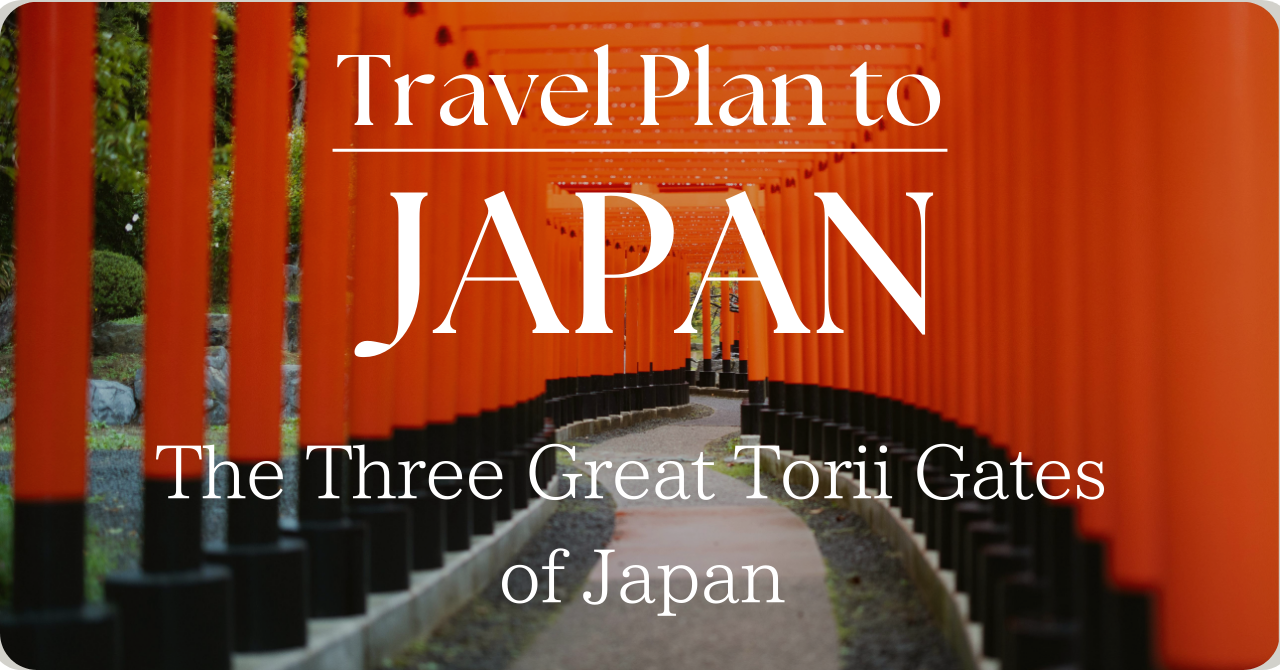
Among the many shrines scattered across Japan, the torii gates stand out as a particularly striking architectural feature. Serving as a symbolic entrance to sacred spaces, torii gates are deeply embedded in Japanese culture. In Shinto belief, they represent the boundary between the mundane world and the realm of the divine, attracting numerous tourists and worshippers alike with their beauty and grandeur.
The three most famous torii gates in Japan are the First T orii Gate of Kasuga Taisha Shrine in Nara Prefecture, the Great T orii Gate of Itsukushima Shrine in Hiroshima Prefecture, and the Great T orii Gate of Kehi Jingu Shrine in Fukui Prefecture. All three are wooden structures designated as Important Cultural Properties.
In this article, we will delve into the details of Japan’s three great torii gates, exploring their historical and cultural significance, as well as tips for visitors when exploring these majestic sites.

The Origins and Role of Torii Gates
A torii gate is a monumental gate that stands at the entrance of Shinto shrines, symbolizing the division between the sacred domain and the ordinary world. There are various theories regarding the origin of torii gates, but they are generally rooted in Japan’s Shinto culture, with their widespread use dating back to the Heian period (794-1185). By passing through a tori gate, worshippers enter a sacred space, preparing themselves to offer prayers.
The shape of a torii gate is quite simple, typically consisting of two vertical posts (hashira) and a horizontal beam (kasagi) across the top. Despite this basic design, various shrines have unique decorative features, materials, and colors, showcasing their individual beauty.
● Hashira (柱): Vertical posts that support structures such as roofs or floors.
● Kasagi (笠木): The horizontal beam that decorates the top of the gate.
For foreigners, understanding the etiquette associated with visiting Japanese shrines can be quite complex. However, it’s important to remember that a torii gate is not merely a structure; it plays a vital symbolic role in Shinto. By passing through it, worshippers not only enter a sacred area but also show respect to the gods and cross the boundary between the everyday world and the divine realm. This act symbolizes the fundamental Shinto teaching of “purity” and forms a crucial part of the rituals associated with visiting shrines.
Additionally, torii gates serve as a “boundary of protection, ” safeguarding sacred places from external impurities and malevolent spirits. By walking through the gate, visitors cleanse themselves of worldly contamination and prepare to strengthen their connection with the divine.
This illustrates that a torii gate is not just a gate but a spiritual barrier as well.
Etiquette for Visiting Shrines
When visiting a shrine, it is essential to adhere to a few basic etiquette guidelines, particularly regarding how to approach and pass through a torii gate.
● Bow Before Entering: Always bow slightly before passing through a torii gate as a sign of respect to the gods. This act prepares your mindset for entering a sacred place.
● Avoid the Center: The center of the torii gate is considered the path of the gods. Therefore, visitors should walk to one side or the other to show respect.
● Maintain Silence: Shrines are sacred places, so avoid loud conversations or disruptive behavior. Quietly showing reverence is important.
Now, let’s explore each of the three great torii gates in detail.
The Great Torii Gate of Itsukushima Shrine (Hiroshima Prefecture)
History and Overview
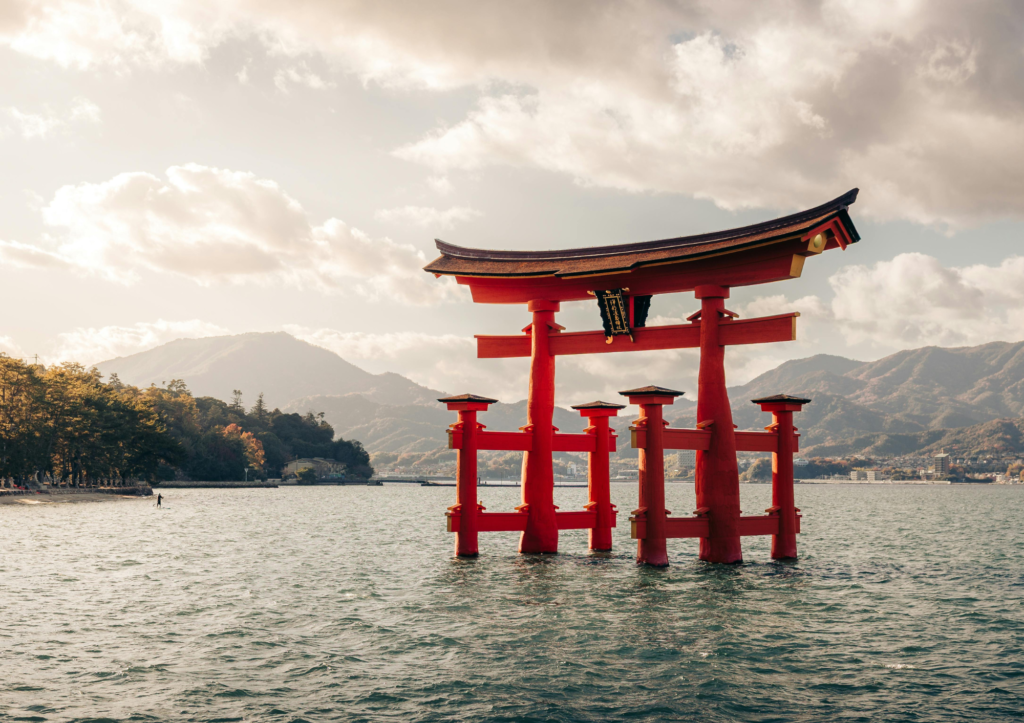
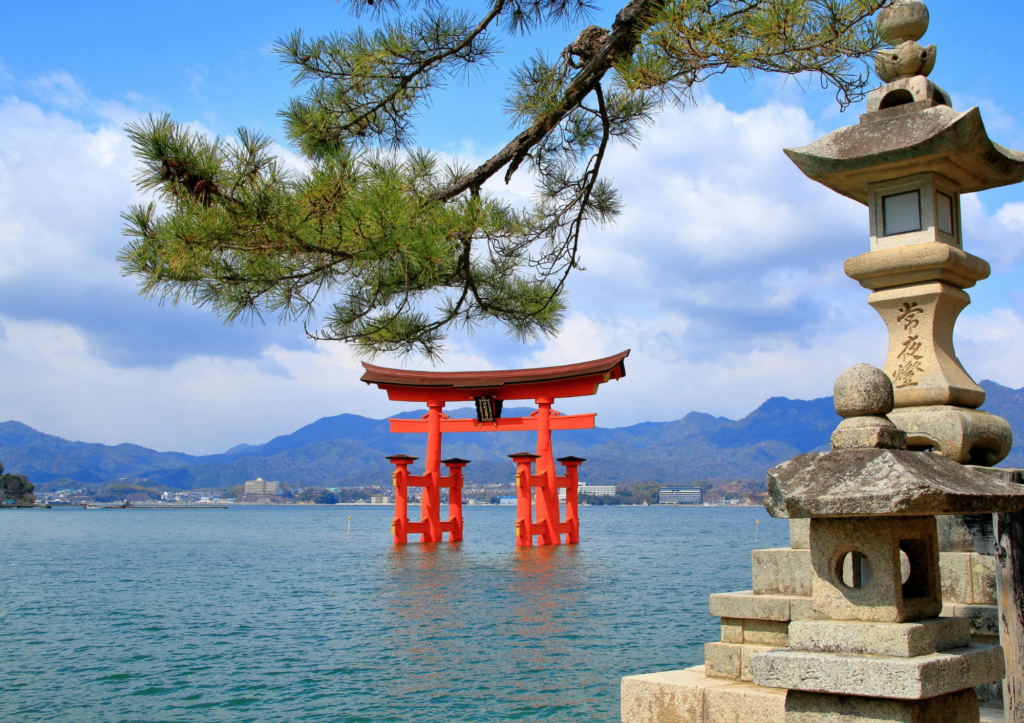
Located on the island of Itsukushima in Hiroshima Prefecture, Itsukushima Shrine is a UNESCO World Heritage Site and attracts many visitors from both Japan and abroad. The shrine is symbolized by its Great T orii Gate, which appears to float on the water at high tide, creating a unique and captivating sight.
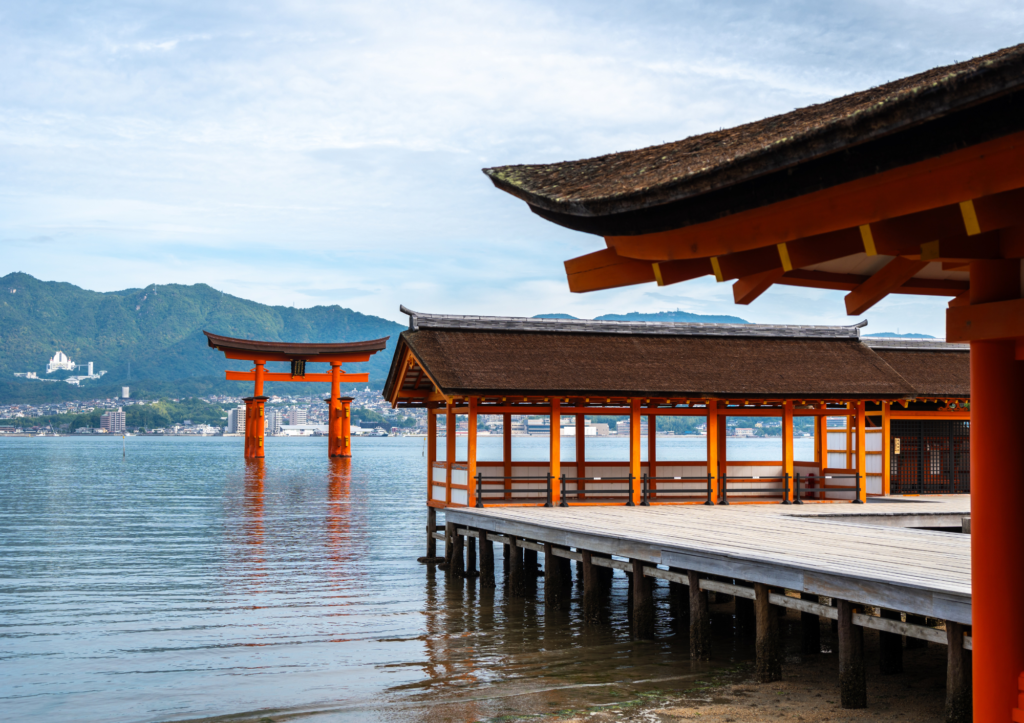
The shrine’s establishment dates back to 593 AD, and it became a significant place of worship for those praying for safe sea travel. The current torii gate was built in 1875 and stands approximately 16.6 meters (about 54 feet) tall, with pillars measuring 9.9 meters (about 32 feet) in diameter. Made from Japanese cypress, it weighs around 500 tons.
Highlights and Visiting Tips
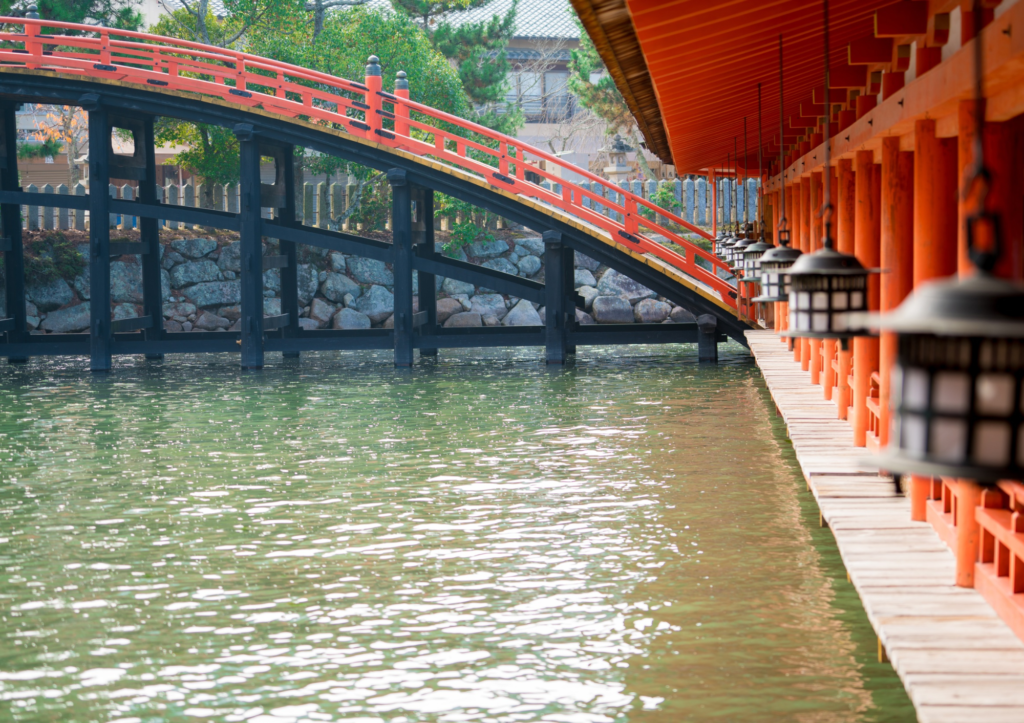
A notable feature of the Great Torii Gate is that it appears to float during high tide, while at low tide, visitors can walk right up to it. T o fully appreciate this spectacle, it’s advisable to check the tide schedules before your visit and plan accordingly.
At night, the torii is illuminated, creating a magical scene, especially during sunset when it transforms into a breathtaking sight perfect for photography. The entire Itsukushima Shrine complex is designed to blend harmoniously with the surrounding nature, offering a serene experience.
While Itsukushima Shrine can be visited year-round, the most popular seasons are autumn for the changing leaves and spring for cherry blossoms.
Activities
In addition to marveling at the Great Torii Gate, there are various activities to enjoy while visiting Itsukushima Shrine:
● Boat Cruises: While visitors can walk to the torii during low tide, a boat cruise that passes beneath it during high tide is also an option. The view from the boat offers a different and breathtaking perspective of the Great T orii Gate.
● Miyajima Ropeway: After visiting the shrine, consider taking a ride on the Miyajima Ropeway for panoramic views of the island’s mountains. The scenery from the top is stunning, providing a comprehensive view of Itsukushima Shrine and its surroundings.The Great Torii Gate of Itsukushima Shrine remains one of Japan’s most iconic attractions, drawing attention from both domestic and international visitors.
For further information, please check the Miyajima T ourist Association website: Miyajima Tourist Association
The Torii Gate of Kasuga Taisha Shrine (Nara Prefecture)
History and Overview
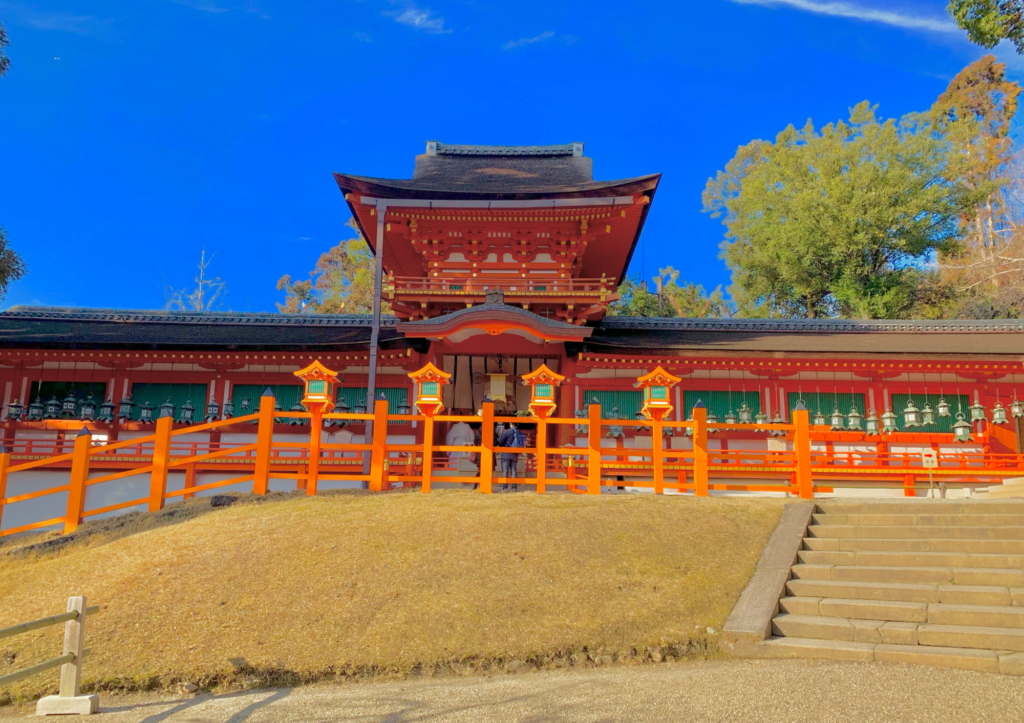
Kasuga T aisha Shrine, located in Nara Prefecture, was founded in 710 AD during the Nara period by the Fujiwara clan. Nestled within Nara Park, the shrine is renowned for its beautiful vermilion-painted structures and harmonious integration with nature throughout the changing seasons. The torii gate of Kasuga T aisha is distinguished by its unique Kasuga style, characterized by simplicity and strong presence.
Since the Nara period, Kasuga T aisha Shrine has played a crucial role as a center of politics and culture in Japan. The torii gate, like those of other shrines, symbolizes the entrance to the sacred realm and is constructed in traditional wooden architecture.
Highlights and Visiting Tips
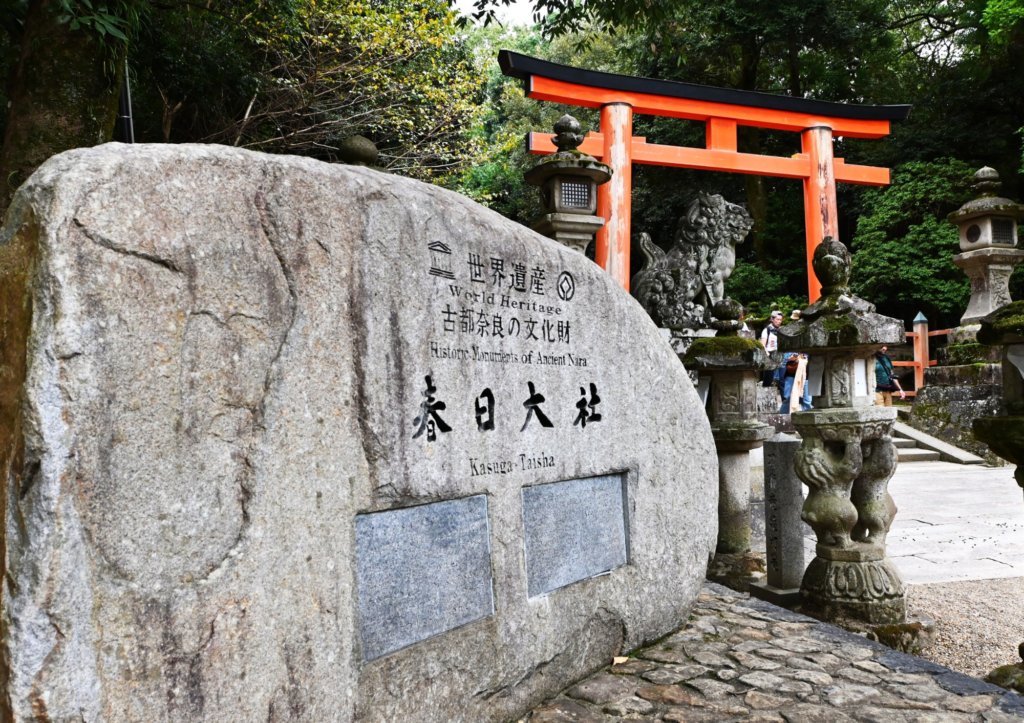
The torii gate of Kasuga Taisha is surrounded by lush natural beauty, with the bright vermilion of the gate contrasting beautifully against the changing colors of the seasons. Particularly during autumn foliage or the vibrant greenery of spring, the contrast between the gate and nature enchants visitors. Behind the shrine lies the Kasuga Primeval Forest, designated as a UNESCO
World Heritage site, making it an ideal area for leisurely strolls. While visiting, you may encounter deer wandering freely around Nara Park. These deer are considered messengers of the gods and are part of the shrine’s charm. Visitors can purchase special deer crackers to feed them, making this a popular spot, especially for families with children. However, it’s essential to follow the rules and treat the deer respectfully, as there have been incidents of tourists unintentionally harming them.
Activities
While visiting Kasuga T aisha, don’t miss out on exploring the surrounding nature:
● Strolling through Kasuga Primeval Forest: This ancient forest, located behind the shrine, has been preserved for centuries, allowing visitors to enjoy the soothing sounds of birds and rustling leaves.
Additionally, Nara Park is home to many famous attractions, including Todai-ji Temple, Kofuku-ji
Temple, and the Nara National Museum. You can also hike up Wakakusa Hill, which stands at 342 meters (about 1,125 feet) high, for stunning views of the Nara landscape. The sunsets from the hill are particularly beautiful, drawing many visitors during the evening hours.
The torii gate at Kasuga Taisha Shrine is cherished as a historical heritage site, offering visitors a sense of the spiritual depth rooted in faith since the Nara period.For further information, please check the Kasuga Taisha Shrine website: About the Shrine | 春日大社
The Great Torii Gate of Kasama Inari Shrine (Ibaraki Prefecture)
History and Overview
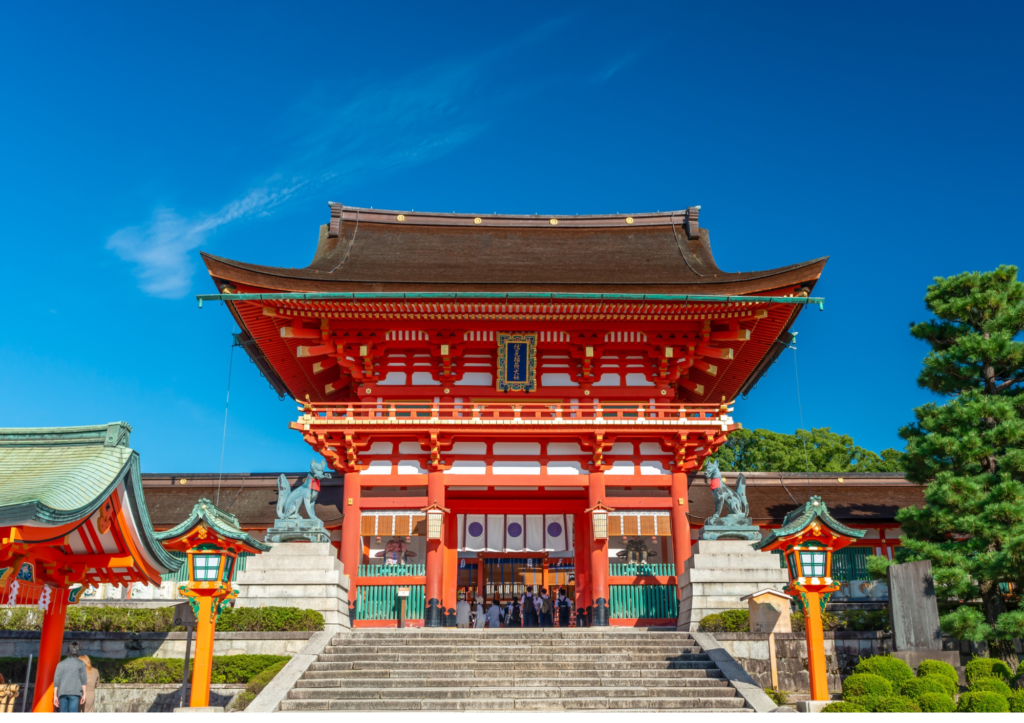
Located in Ibaraki Prefecture, Kasama Inari Shrine is one of the oldest among Japan’s approximately 30,000 Inari shrines, established in 1367. Known for blessings of prosperity in business and abundant harvests, it attracts over 3 million tourists every year.
What is an Inari Shrine?
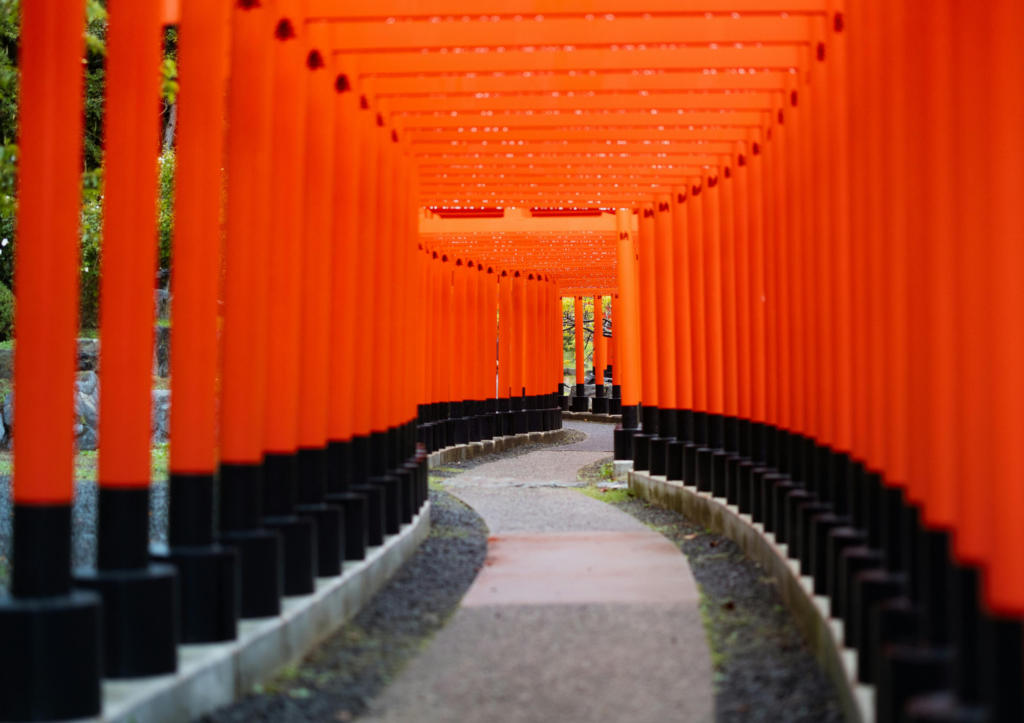
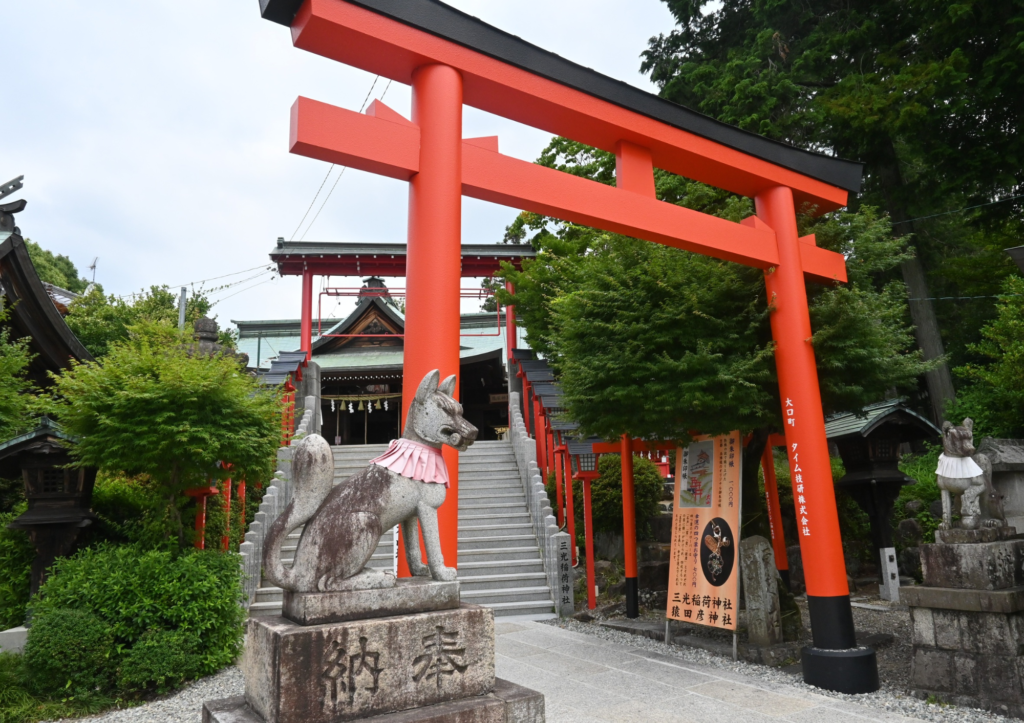
Inari shrines are primarily worshipped as deities of agriculture, prosperous business, and family safety. The symbol of Inari shrines is the fox, which is considered the deity’s messenger.
Generally, the torii gates at Inari shrines are often painted red, and Kasama Inari Shrine is no exception. However, a portion of it collapsed during the Great East Japan Earthquake. Thanks to many donations, the vermilion torii has been restored, embodying the spirits of recovery from many people. We hope that visitors will pay even greater respect when they come to see it.
The Great T orii Gate of Kasama Inari Shrine impresses people with its majestic presence, especially when viewed from the approach, where the size and scale of the torii gate become even more pronounced.
Highlights and Visiting Tips
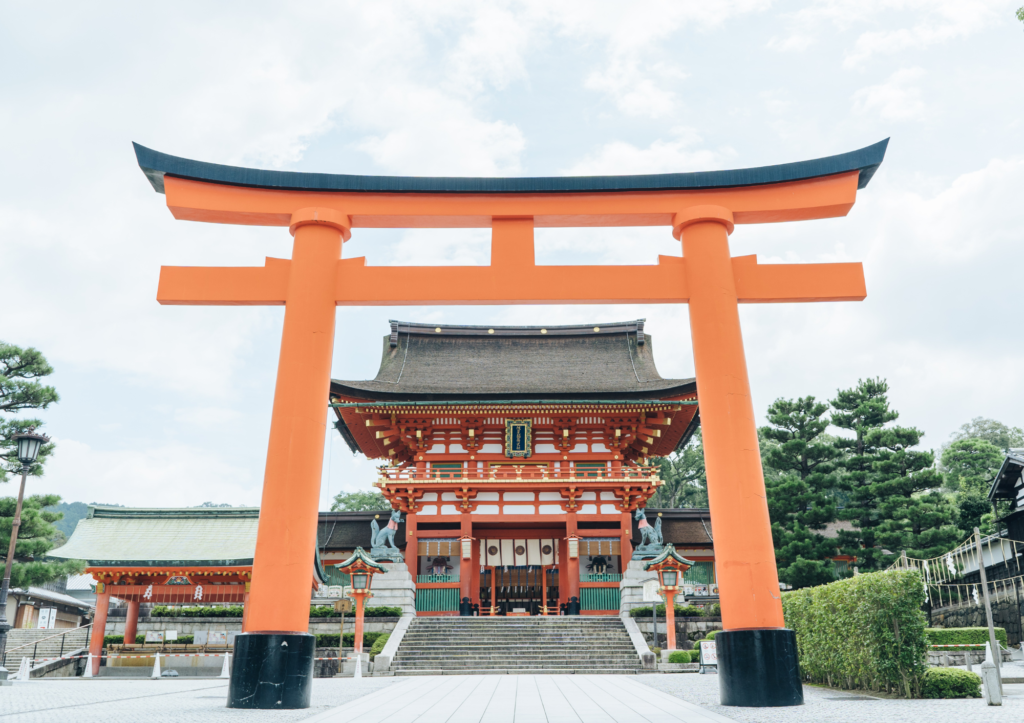
The Great Torii of Kasama Inari Shrine is about 16 meters tall, making it one of the tallest Torii in Japan. Its striking appearance against the blue sky creates a breathtaking scene, especially when viewed during the early morning or late afternoon. The shrine is surrounded by scenic nature, and visitors can enjoy beautiful views of Mount T sukuba in the background.
The shrine holds numerous festivals throughout the year, including the Kasama Inari Grand Festival, which attracts many worshippers and tourists. This vibrant event features traditional dances, music, and food stalls, offering a lively atmosphere. Participating in these festivals allows visitors to immerse themselves in the local culture and experience the community spirit.
Activities
Kasama Inari Shrine offers several activities for visitors to enjoy:
● Exploring the Shrine Grounds: Take time to wander through the beautiful grounds of the shrine, appreciating the natural surroundings and the many smaller Torii gates that create enchanting paths.
● Local Cuisine: Enjoy local delicacies at nearby food stalls, where you can taste traditional snacks like inari sushi or grilled fish skewers.
● Hiking: If you have the time, consider hiking up Mount T sukuba. The trails offer stunning views of the surrounding landscape and are perfect for nature enthusiasts.
●The Great Torii of Kasama Inari Shrine is an awe-inspiring sight, and the surrounding atmosphere adds to the shrine’s charm. Whether you’re seeking spiritual blessings or simply want to experience Japan’s rich culture, this shrine offers a memorable visit.For further information, please check the Kasama Inari Shrine website: Kasama Inari Jinja
Conclusion
The Three Great Torii of Japan – Itsukushima Shrine, Kasuga Taisha, and Kasama Inari Shrine – each have unique histories, architectural styles, and cultural significance. These gates not only mark the entrance to sacred spaces but also serve as symbols of Japan’s spiritual heritage.
Each location provides visitors with a distinct experience, showcasing the beauty of nature, traditional architecture, and the richness of Japanese culture.
When visiting these magnificent Torii, it’s important to observe the proper etiquette and immerse yourself in the spiritual atmosphere. Whether you’re drawn by the stunning views, historical
significance, or the unique cultural experiences, these sites promise a deep connection to Japan’s sacred traditions.
Embark on a journey to explore the beauty of Japan’s Three Great Torii, where history, culture, and spirituality come together in a breathtaking landscape. Whether you’re a seasoned traveler or a first-time visitor, these iconic sites will leave you with unforgettable memories and a profound appreciation for Japan’s rich heritage.